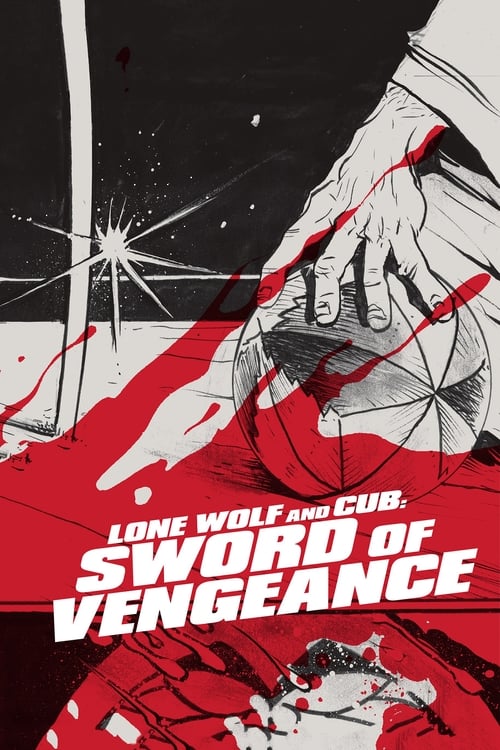
Lone Wolf and Cub: Sword of Vengeance
1972
No user ratings available yet
Representation score: 1.2 out of 10

Representation Score
Limited
1972
RDirector
Kenji Misumi
Runtime
89 minutes
Average Rating
No ratings yetNew Showbiz Analysis
The film is set in a period that emphasizes traditional masculine archetypes and martial codes over demographic diversity. While it does not represent LGBTQ+ identities, disabilities, or gender equality, it provides a sophisticated critique of institutional authority. Its strength lies in its cultural subversion, portraying the Shogunate's justice as ineffective. The protagonist's personal code of ethics challenges the necessity of formal social hierarchies, offering a nuanced look at moral relativism within a feudal setting.
Category Breakdown
The film follows a traditional framework and does not include any depictions of LGBTQ+ identities or narratives that question the assumption that everyone is straight or cisgender.
The story focuses on masculine archetypes such as the stoic warrior and disciplined father. Female characters often serve as catalysts for the protagonist's journey and do not have independent roles.
The cast is ethnically uniform due to the historical setting. However, the film showcases a complex internal hierarchy among samurai and commoners based on class and caste.
The narrative effectively questions the legitimacy of institutions by portraying state authority as corrupt. It favors a personal, situational code of ethics over established social structures.
Characters are defined by physical prowess and martial skills. There is no meaningful depiction of neurodivergence or physical disabilities as sources of individual power.
Present on Screen
Limited or Absent
Official Synopsis
Ogami Itto volunteers to be tortured by Yakuza in order to save a prostitute and is hired by their leader to kill an evil chamberlain.
1972
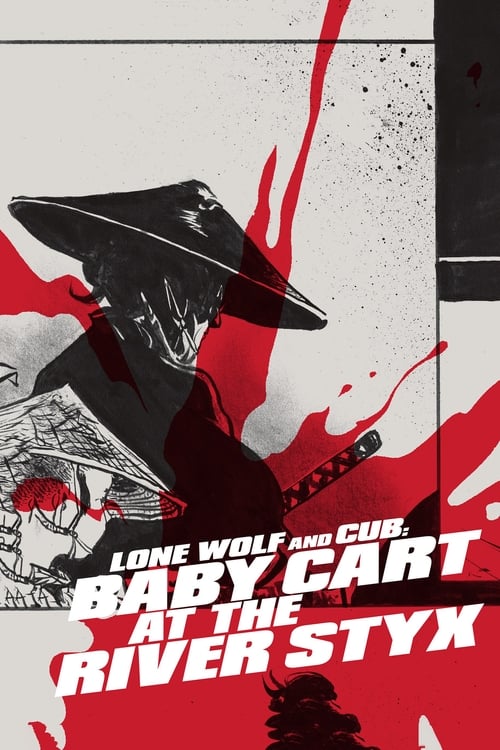
1972

1973

1972

1974
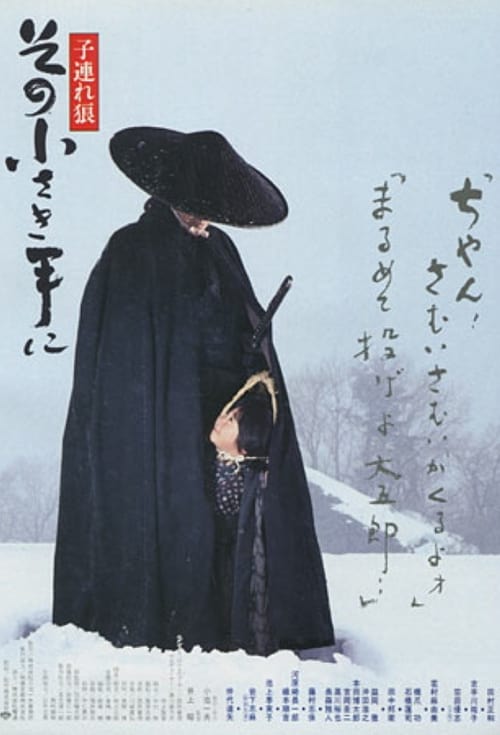
1993

1968
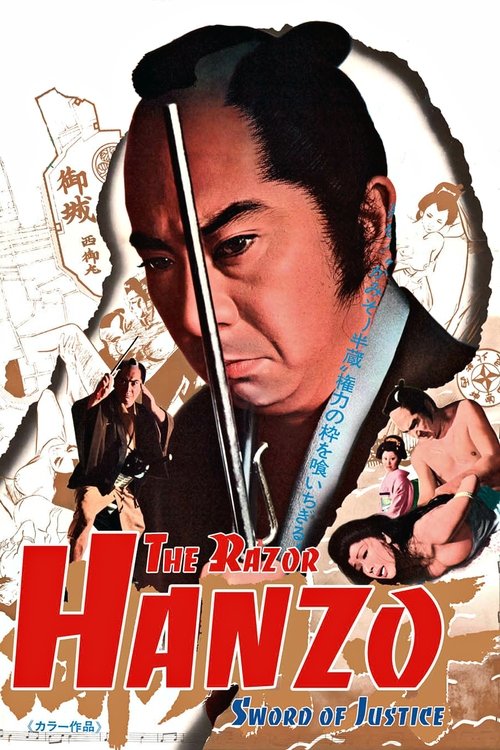
1972
No reviews yet. Be the first to share your thoughts on this movie!
Use the rating form above to leave a star rating and optional review.