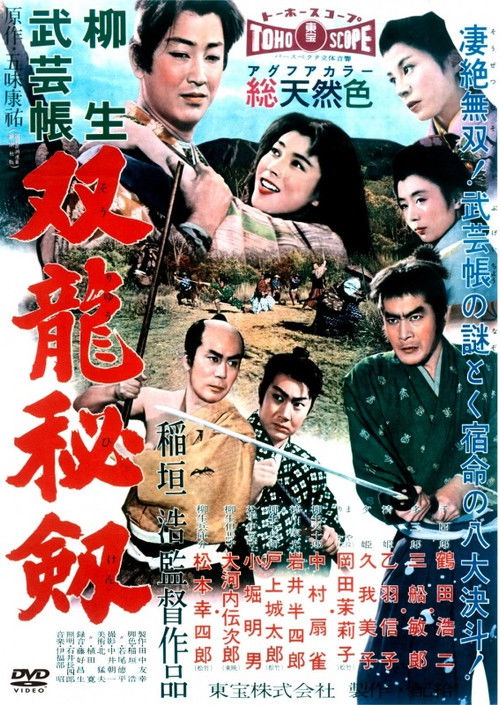
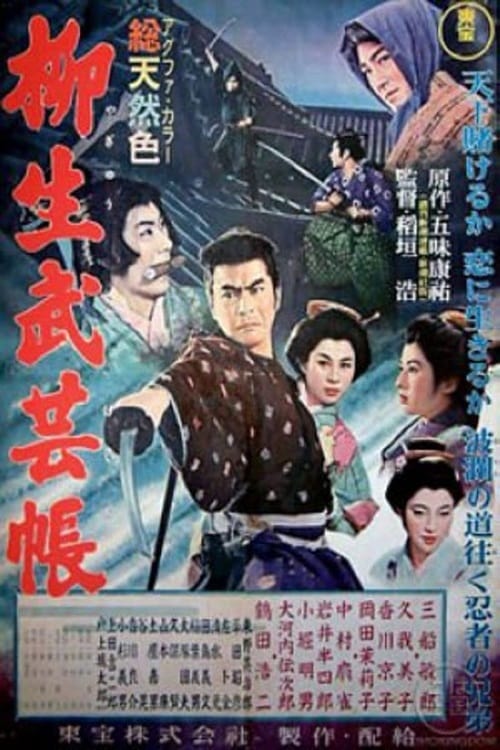
Yagyu Secret Scrolls: Ninjitsu - Part II
1958
No user ratings available yet
Representation score: 1.2 out of 10
Representation Score
Minimal
1957
Director
Hiroshi Inagaki
Runtime
109 minutes
Average Rating
No ratings yetNew Showbiz Analysis
Hiroshi Inagaki’s work focuses on accurately depicting the historical period, prioritizing historical accuracy over social critique. The film supports traditional structures of honor and lineage inherent to the jidai-geki genre. The narrative centers around patriarchal authority and the preservation of the clan system. While it offers an authentic glimpse into the Tokugawa Era, it does not address contemporary multi-layered identities or challenge social norms. Overall, the film serves as a cultural document of its time, emphasizing the stability of hereditary traditions without engaging with modern social issues.
Category Breakdown
The film adheres to a traditional framework and does not include any non-binary or LGBTQ+ identities or same-sex relationships.
The main characters like Tasaburo and Senshiro embody traditional masculine roles. Princess Yuhime drives the plot but does not challenge the existing patriarchal structure.
The cast is ethnically uniform, reflecting the historical context of Edo-period Japan. This provides cultural authenticity but does not include diverse backgrounds.
The story upholds the feudal structures and the samurai class, emphasizing duty and loyalty to established institutions without questioning social norms.
Characters are defined by their physical strength and martial skills. There are no notable depictions of visible or invisible disabilities.
Present on Screen
Limited or Absent
Official Synopsis
In the Tokugawa Era, the clan of Lord Yagyu has hidden away three scrolls containing clan secrets which, if revealed, would cause revolution and disaster for the clan. The information is divided among the three scrolls, all of which must be possessed for the secrets to be understood. When Princess Yuhime steals the scrolls, Tasaburo, a samurai with magical powers, and his brother Senshiro are sent to retrieve them.
1958
1967
1980

1956
1970
1980
1978
1955
No reviews yet. Be the first to share your thoughts on this movie!
Use the rating form above to leave a star rating and optional review.