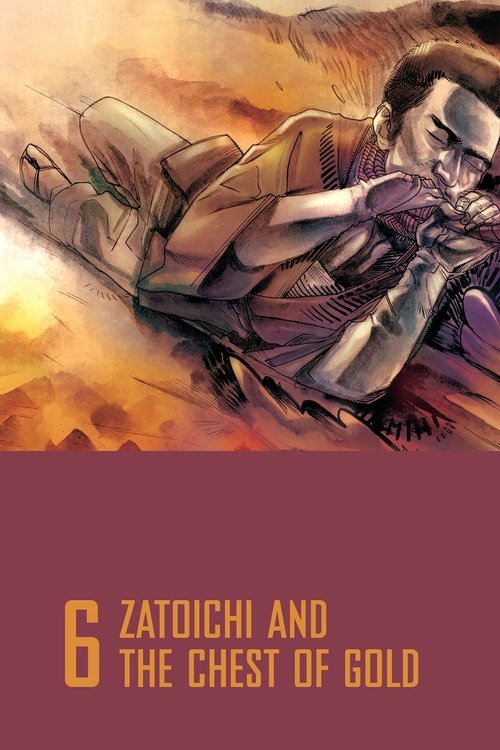
Zatoichi and the Chest of Gold
1964
No user ratings available yet
Representation score: 4.6 out of 10

Representation Score
Limited
1966
Not RatedDirector
Kazuo Ikehiro
Runtime
82 minutes
Average Rating
No ratings yetNew Showbiz Analysis
Zatoichi's Pilgrimage is a character-driven period piece that prioritizes historical authenticity over modern inclusive representation. It excels in its nuanced portrayal of disability, presenting a protagonist whose blindness is a source of empowerment rather than a mere plot device. However, the film remains entrenched in the social hierarchies of its era. The lack of gender subversion and the absence of diverse identities outside the Japanese context limit its scope by contemporary standards. Ultimately, the film is a focused study of a single man's morality and sensory experience within a traditional society.
Category Breakdown
The film adheres to traditional Edo-period social frameworks and does not depict any non-straight or non-cisgender identities or same-sex relationships.
Female characters are limited to supporting roles such as villagers or travelers. The narrative upholds the patriarchal structures of the time without challenging them.
The cast is ethnically uniform, reflecting the historical setting of Japan. It serves as a culturally specific study rather than a multicultural narrative.
The story explores moral relativism through the lens of the samurai genre. It emphasizes personal redemption without explicitly critiquing social institutions.
Zatoichi’s blindness is central to his identity and his ability to drive the story. His disability is integrated into his specialized survival skills.
Present on Screen
Limited or Absent
Official Synopsis
Zatoichi's trek through 88 temples to atone for his violent past is interrupted as he stumbles into a village terrorized by a violent yakuza boss.
1964
1962
1963

1972
1964
1963

1972
1966
No reviews yet. Be the first to share your thoughts on this movie!
Use the rating form above to leave a star rating and optional review.