Chûshingura
1962
No user ratings available yet
Representation score: 0.6 out of 10
Representation Score
Minimal
1969
Director
Hiroshi Inagaki
Runtime
170 minutes
Average Rating
No ratings yetNew Showbiz Analysis
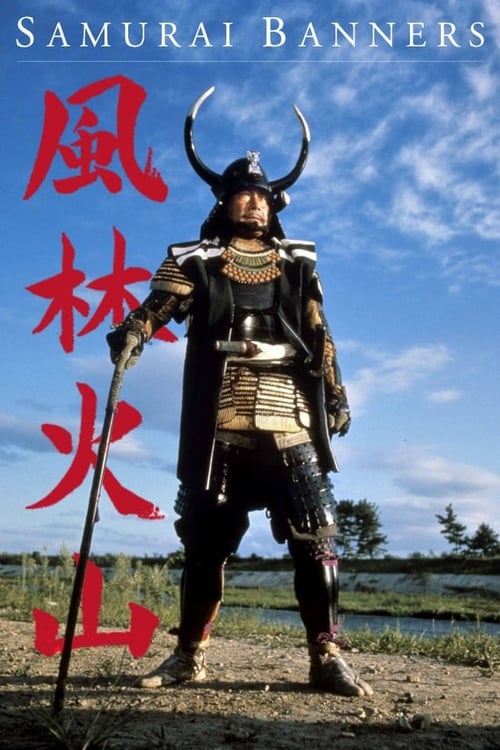
Samurai Banners is a traditional jidaigeki that emphasizes historical accuracy and the rigid social hierarchies of feudal Japan. The film focuses on loyalty and political strategy, reinforcing established power structures. This results in limited representation for underrepresented identities, as the story adheres closely to the period's social norms. While it provides a detailed look at the bushido code, it does not challenge the patriarchal or homogeneous nature of the time.
Category Breakdown
The film focuses solely on heterosexual relationships and the importance of heirs, with no representation of LGBTQ+ identities or same-sex intimacy.
The movie centers around a strict patriarchal system where Princess Yu's role is transactional, serving mainly to maintain political stability and the bloodline.
Set in feudal Japan, the film portrays a culturally uniform society focused on class dynamics without incorporating diverse casting to challenge historical norms.
The story emphasizes the bushido code and the importance of lineage, exploring the psychological toll of duty without questioning these traditional institutions.
There is no significant depiction of visible or invisible disabilities within the narrative.
Present on Screen
Limited or Absent
Official Synopsis
Kansuke Yamamoto is a samurai who dreams of a country united, peaceful from sea to sea. He enters the service of Takeda, the lord of Kai domain. He convinces Takeda to kill the lord of neighboring Suwa and take his wife as a concubine. He then convinces the widow, Princess Yu, to accept this arrangement and to bear Takeda a son. He pledges them his life. He then spends years using treachery, poetic sensibility, military and political strategy to expand Takeda's realm, advance the claim of Yu's son as the heir, and prepare for an ultimate battle with the forces of Echigo. Has Kansuke overreached? Are his dreams, blinded by love, too big?
1962

1956
1955
1967
1978
1961
1969
1990
No reviews yet. Be the first to share your thoughts on this movie!
Use the rating form above to leave a star rating and optional review.