
Sword for Hire
1952
No user ratings available yet
Representation score: 4.3 out of 10
Representation Score
Limited
1958
Not RatedDirector
Akira Kurosawa
Runtime
139 minutes
Average Rating
No ratings yetNew Showbiz Analysis
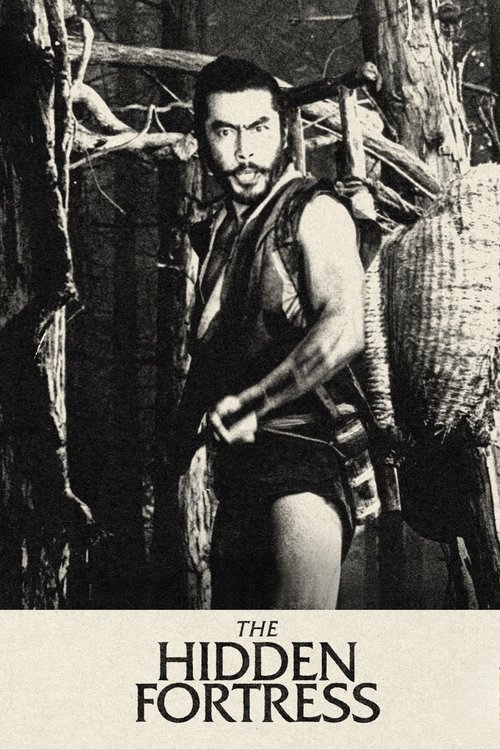
Kurosawa’s masterpiece serves as a social critique by highlighting the perspectives of the underrepresented. Despite being confined by its historical context and 1950s social norms, the film challenges traditional epic storytelling by focusing on the survival instincts of the low-born. The film’s strength lies in its critique of the ruling class. By centering the perspectives of greedy, cowardly peasants, the narrative shifts focus away from the noble samurai elite, offering a more inclusive view of the social hierarchy during wartime. However, the film does not engage with contemporary identity issues such as non-binary gender identities or diverse disability representations.
Category Breakdown
The film follows the traditional structures of Sengoku-period Japan and does not depict any non-binary gender identities or same-sex relationships.
Princess Takako plays a crucial role in the plot, but her influence is often overshadowed by male protagonists. The film reflects the gender roles of the time without challenging them.
The cast is ethnically uniform, reflecting the Japanese setting. However, the film highlights the perspectives of low-born peasants within a conflict dominated by samurai.
The narrative critiques traditional authority and social order by showing how power is tied to military strength rather than moral righteousness.
There are no prominent depictions of visible or invisible disabilities used as central character drivers or plot devices.
Present on Screen
Limited or Absent
Official Synopsis
In feudal Japan, during a bloody war between clans, two cowardly and greedy peasants, soldiers of a defeated army, stumble upon a mysterious man who guides them to a fortress hidden in the mountains.
1952

1952
1959
1954

1980

1939

2008

1945
No reviews yet. Be the first to share your thoughts on this movie!
Use the rating form above to leave a star rating and optional review.