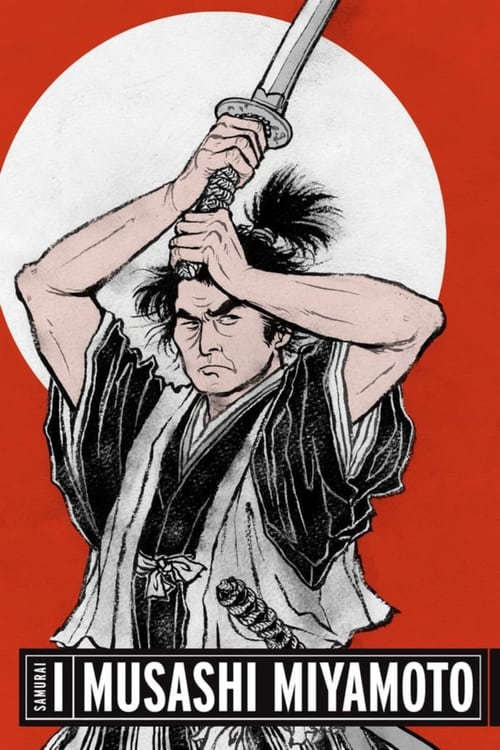
Samurai I: Musashi Miyamoto
1954
No user ratings available yet
Representation score: 0.8 out of 10
Representation Score
Minimal
1955
TV-PGDirector
Hiroshi Inagaki
Runtime
103 minutes
Average Rating
No ratings yetNew Showbiz Analysis
Hiroshi Inagaki’s film is a classic period drama that prioritizes historical authenticity over modern inclusive frameworks. The narrative centers on the internal discipline of individuals within a rigid social structure. While the film offers a deep exploration of the protagonist’s martial journey, it reinforces traditional hierarchies. It does not aim to deconstruct the social or gender norms of its setting. Ultimately, the work studies the 'way of the warrior,' presented as an exclusively masculine pursuit.
Category Breakdown
The film follows a traditional 17th-century social framework and does not include any non-straight or non-cisgender identities or same-sex relationships. Instead, it focuses on heterosexual relationships.
The story emphasizes masculine archetypes and the male-dominated practice of swordsmanship. While Otsu is a key figure in the romance, she primarily serves as an emotional support rather than a main driver of the plot.
The cast is culturally uniform, reflecting the historical setting of Edo-period Japan. Although it does not blend different races, it stays true to the Japanese cultural context.
The narrative delves into Buddhist philosophy and the code of bushido. These elements uphold traditional morality and the established social order without challenging institutional authority.
There are no prominent depictions of visible or invisible disabilities used as central narrative drivers within the story.
Present on Screen
Limited or Absent
Official Synopsis
After years on the road establishing his reputation as Japan's greatest fencer, Takezo returns to Kyoto. Otsu waits for him, yet he has come not for her but to challenge the leader of the region's finest school of fencing. To prove his valor and skill, he walks deliberately into ambushes set up by the school's followers.
1954

1956
1952

1960
1969

1966
1967
1959
No reviews yet. Be the first to share your thoughts on this movie!
Use the rating form above to leave a star rating and optional review.