The Heartbreak Kid
1972
No user ratings available yet
Diversity score: 3.1 out of 10
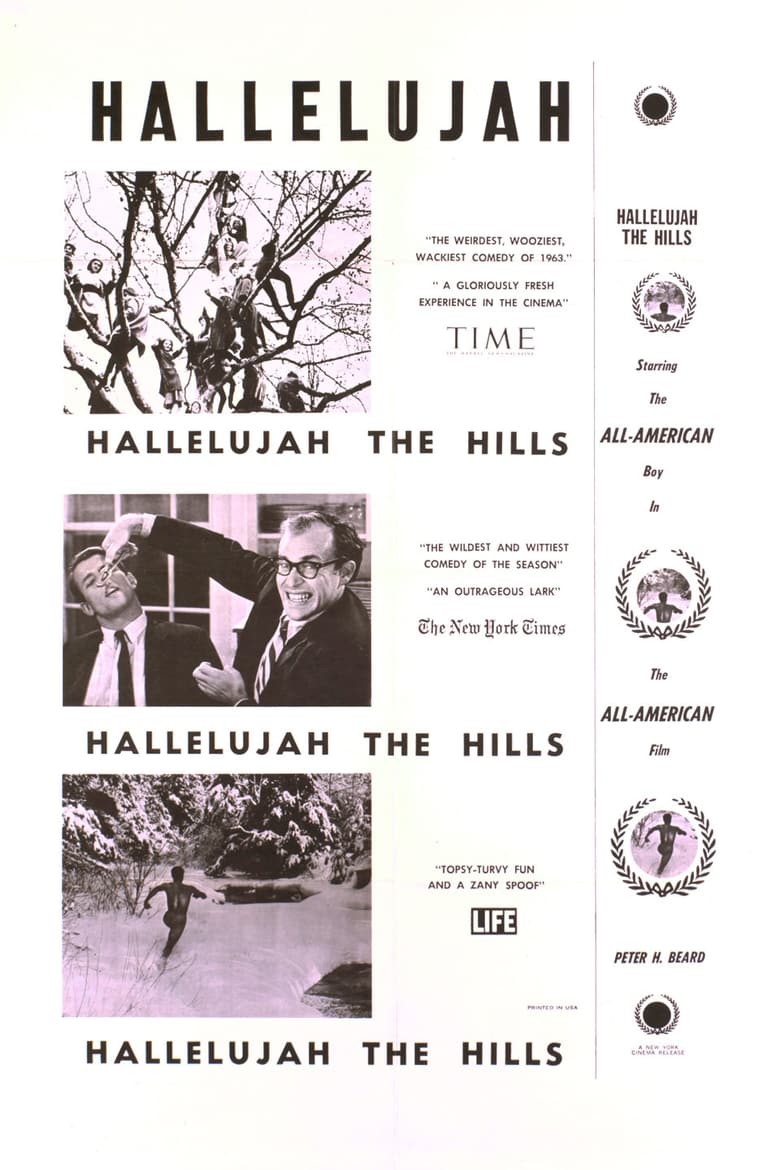
1963
Director
Adolfas Mekas
Runtime
88 minutes
Average Rating
No ratings yetSynopsis
Jack and Leo vie for the affections of Vera – who appears a little differently to each man – over the course of a series of energetic sketches, flashbacks and homages.
Overall Score
Limited
Category Breakdown
LGBTQ+ Representation
The film lacks explicit depictions of LGBTQ+ identities or non-cisnormative gender expressions. The narrative focuses on two men competing for the affection of a female figure, Vera.
Gender Representation
The story operates through a male-centric lens, limiting female agency. However, it disrupts traditional hierarchies by portraying men through farcical vulnerability and incompetence rather than masculine dominance.
Racial & Ethnic Diversity
Set in the rural Northeast, the cast is primarily white. There is no evidence of race-bent casting or the intentional integration of diverse ethnic identities within this specific social landscape.
Religious & Cultural Diversity
The film excels at deconstructing Western institutions through its non-linear structure. It promotes moral relativism and a normalized disrespect for authority, framing disruption as youthful liberation.
Disability Representation
There is no prominent depiction of physical or neurodivergent disabilities. Erratic character behaviors serve as stylistic New Wave choices rather than explorations of lived disability experiences.
Strengths
Areas for Improvement
AI Analysis
Hallelujah the Hills is a study in structural subversion rather than demographic breadth. While it fails to provide meaningful representation for LGBTQ+, racial, or disabled identities, it succeeds in challenging the rigid narrative and moral structures of traditional Western cinema. The film's strength lies in its rejection of classical continuity and the 'competent male' trope. By embracing absurdity and aimlessness, it offers a progressive critique of systemic order and social decorum. Ultimately, the work functions as a bohemian celebration of individualism. It trades traditional social inclusivity for a radical, fragmented approach to storytelling that disrupts established cinematic hierarchies.
1972
1967
1997
1963
1953
1964
1957

1972
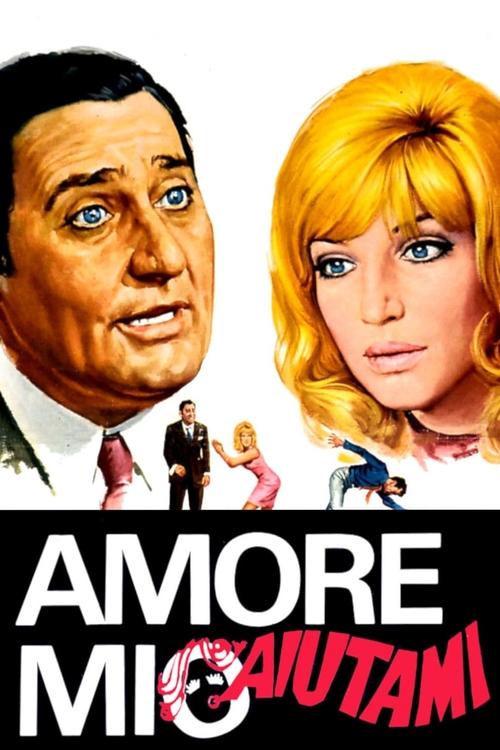
1969
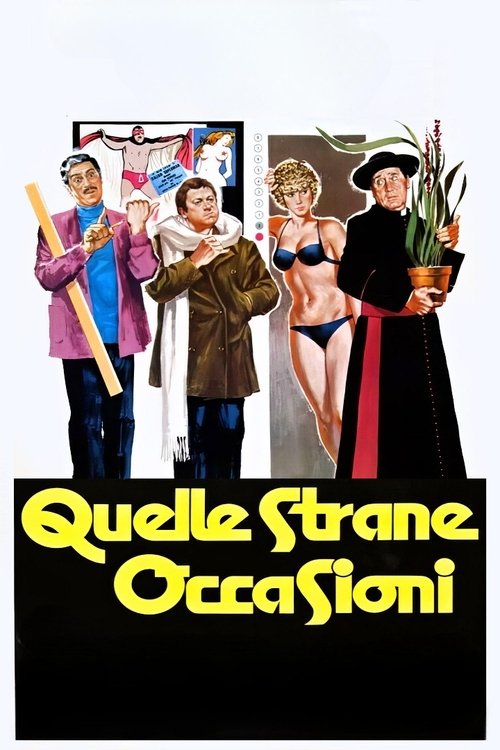
1976
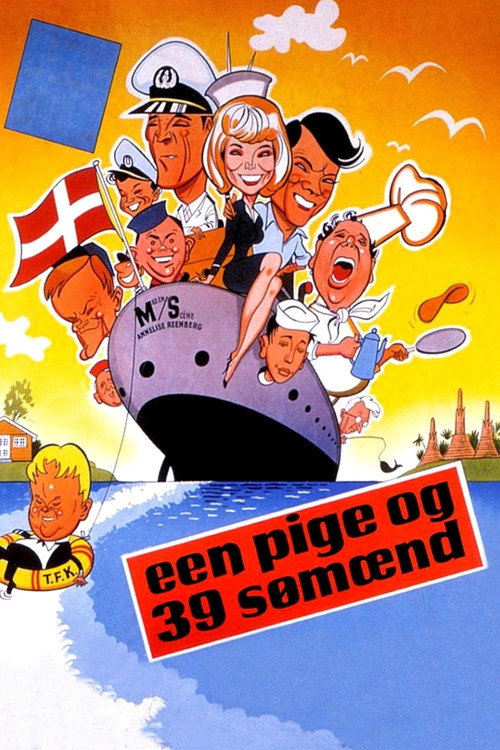
1965
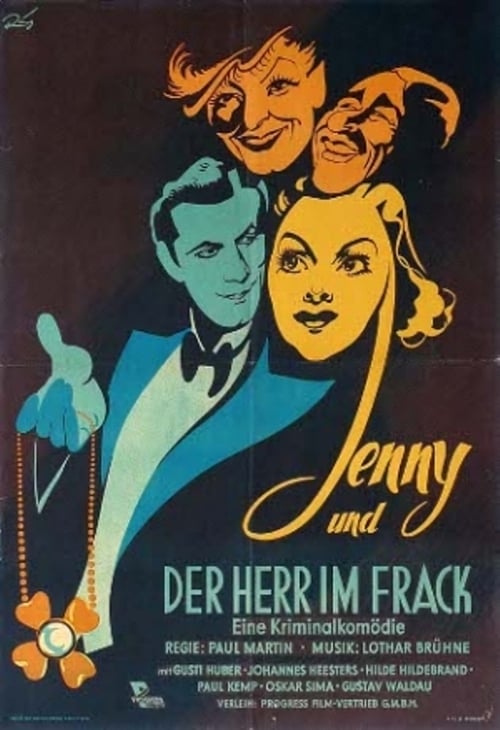
1941
No reviews yet. Be the first to share your thoughts on this movie!
Use the rating form above to leave a star rating and optional review.