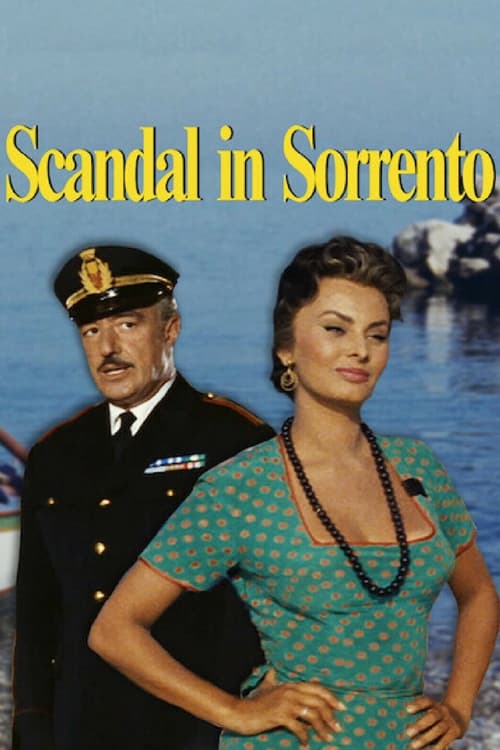
Scandal in Sorrento
1955
No user ratings available yet
Representation score: 1.7 out of 10
Representation Score
Minimal
1953
Director
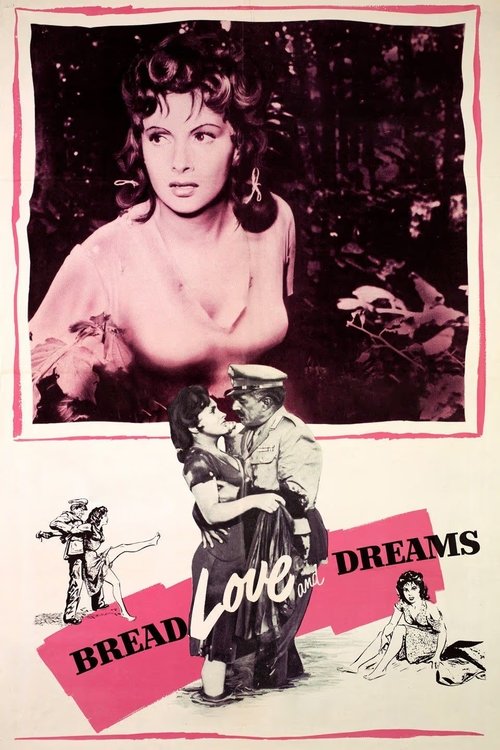
Luigi Comencini
Runtime
87 minutes
Average Rating
No ratings yetNew Showbiz Analysis
Luigi Comencini’s film is a significant sociological study of the Italian working class. It highlights the struggles of the 'little man' against systemic inequality, offering a progressive view of economic realities in the post-war era. However, the film adheres to the social norms of 1953 and lacks modern representations of LGBTQ+ identities and racial diversity, resulting in a less inclusive portrayal. The film’s strength lies in its critique of economic hardship and its humanizing portrayal of the working class, but it falls short in representing diverse identities and traditional gender roles.
Category Breakdown
The film focuses on traditional heterosexual relationships within a mid-century Italian context and does not explore diverse gender identities.
Female characters have distinct personalities and play significant roles in the story, but they are primarily defined by their relationships to the male protagonist and traditional gender roles of the 1950s.
The story is set in an ethnically uniform Italian village and does not address issues related to racial or ethnic diversity.
The film critiques the economic hardships faced by the working class and highlights the dignity of laborers through a Neorealist perspective.
There are no prominent depictions of physical or neurodivergent disabilities that serve as central character traits or drive the narrative.
Present on Screen
Limited or Absent
Official Synopsis
When a veteran marshal is sent to a small town, he quickly falls for two women: a midwife and an earthy young woman nicknamed "Frisky".
1955
1964
1955
1958
1957

1951
1972
1955
No reviews yet. Be the first to share your thoughts on this movie!
Use the rating form above to leave a star rating and optional review.