
I'm a Butterfly
1976
No user ratings available yet
Representation score: 3.3 out of 10
Representation Score
Good
1997
Director
Jerzy Stuhr
Runtime
87 minutes
Average Rating
No ratings yetNew Showbiz Analysis
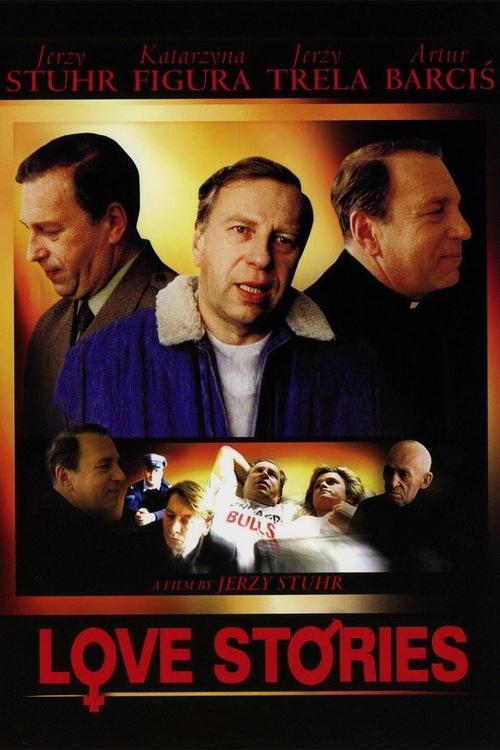
Love Stories is a humanistic comedy that dismantles traditional narrative coherence. It examines the absurdity of interpersonal relationships through a fragmented, episodic structure rather than a single moral lesson. The film excels in portraying the complexities of the human condition and situational ethics. It avoids idealized virtues, focusing instead on the mundane and dysfunctional realities of its characters' lives. However, the film lacks diverse representation. It adheres closely to the cultural and social landscape of its Polish setting, offering limited representation outside conventional romantic and ethnic norms.
Category Breakdown
The film centers on typical romantic relationships within a realistic context. It does not include narratives featuring non-binary gender identities or actively challenge the assumption that everyone is straight.
Female characters serve as catalysts for psychological changes in male protagonists. While they disrupt traditional power dynamics, the film does not fundamentally challenge gender hierarchies.
The cast is uniform, reflecting the specific demographics of its Polish setting. There is no effort to diversify the ethnic composition.
The episodic format offers a nuanced, non-judgmental look at various social roles. It emphasizes individual truths and skepticism towards idealized religious or institutional virtues.
The story focuses on the psychological and emotional experiences of the main characters. There is no significant depiction of characters with visible or invisible disabilities.
Present on Screen
Limited or Absent
Official Synopsis
Jerzy Stuhr scripted, directed and plays four roles in this Polish comedy about four men -- an army officer, a college instructor, a priest, and a drug dealer -- and their relationships with four females. An attractive student puts the teacher in an awkward spot when she reveals her love for him. An 11-year-old informs the priest that she's his daughter. The army officer is pleased when confronted by a past lover. The drug dealer, taken prisoner, must decide whether or not to trust his wife with his hidden loot. In the wrap-up, the elderly accountant passes judgment on all four men. Stuhr acted in films by the late Krzysztof Kieslowski, who had some input here by offering advice to Stuhr on this screenplay.
1976

2005
1995

1950
2010

2012
1994

2022
No reviews yet. Be the first to share your thoughts on this movie!
Use the rating form above to leave a star rating and optional review.