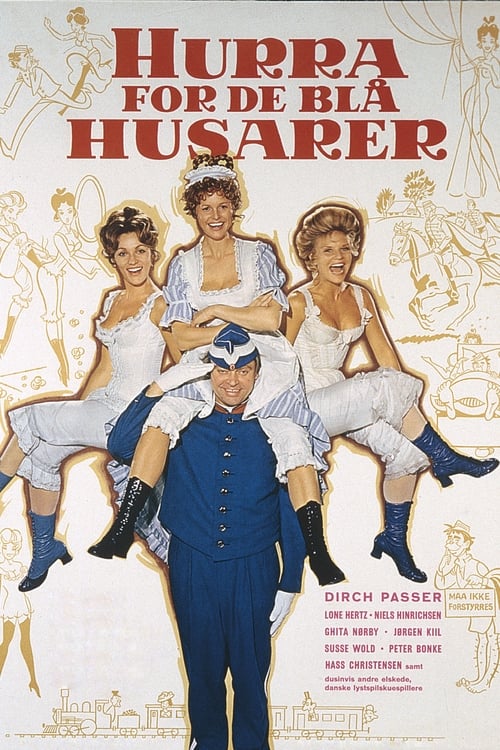
Hooray for the Blue Hussars
1970
No user ratings available yet
Representation score: 1.4 out of 10
Representation Score
Limited
1965
Director
Annelise Reenberg
Runtime
115 minutes
Average Rating
No ratings yetNew Showbiz Analysis
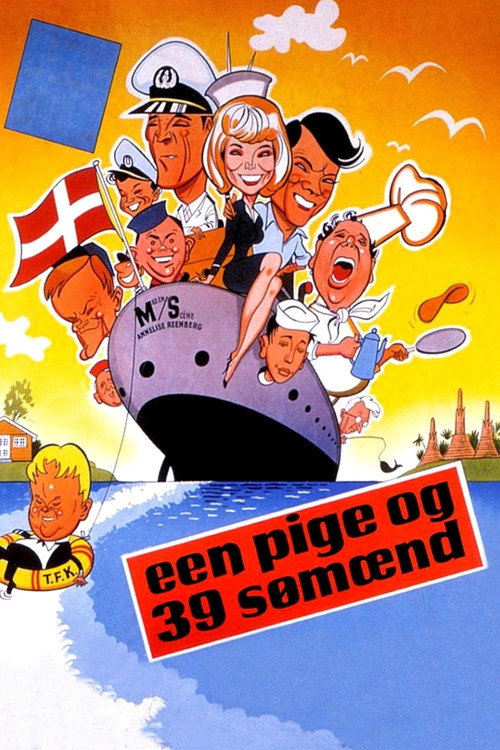
The film serves as a transitional piece of mid-century Danish cinema. It achieves its impact by disrupting professional gender hierarchies, placing a woman in a traditionally male-dominated maritime role. This provides a meaningful challenge to patriarchal norms for its time. However, the work remains firmly rooted in the social limitations of 1965. It lacks racial diversity and adheres to strict straight-centered romantic structures, reflecting the era's cultural homogeneity. Ultimately, the film's progressive intent is found in its portrayal of women's ability to drive the story rather than in broader systemic or characters who reflect more than one aspect of diversity.
Category Breakdown
The film follows the straight-centered standards of 1965, showing no evidence of non-straight relationships or same-sex intimacy. The plot centers on a male ensemble pursuing a romantic relationship with the female lead.
The story challenges maritime hierarchies by placing a female radio operator at the heart of a male-dominated environment. The protagonist's significant role in the story defies the era's gendered expectations of labor and social space.
The narrative focuses on a predominantly homogeneous Danish social group. Despite the voyage reaching Bangkok, there is no indication of a diverse cast or significant blending of different backgrounds.
The film operates within a Western capitalist framework centered on commercial maritime travel. It maintains a festive, secular tone without critiquing Western institutions or religious moralizing.
There is no evidence of characters with physical or neurodivergent disabilities being shown with real power or serving as central plot devices.
Present on Screen
Limited or Absent
Official Synopsis
This festive comedy has a theme song that was incredibly popular in its day – but which is missing a verse! The penultimate verse ends as follows: "...there were 39 sailors and one girl, and that's why the censors deleted the last verse." In 1965, it was new and very daring for a girl to go to sea in the merchant navy. But fortunately, Peer Guldbrandsen and director Annelise Reenberg saw that girls also had a future at sea when they wrote the film's screenplay based on Else Boyes' best-selling novel. The moral frown is replaced by a big smile when the pretty radio operator, Else, boards the M/S Warrigal, owned by the magnificent shipowner, Wilhelmine Jacobsen. The trip from Brønshøj to Bangkok – and back – becomes as festive as an archetypal Danish male society can manage when a pretty girl destroys their age-old traditions.
1970
1955

2009
1941

1960

1958

1970
1953
No reviews yet. Be the first to share your thoughts on this movie!
Use the rating form above to leave a star rating and optional review.