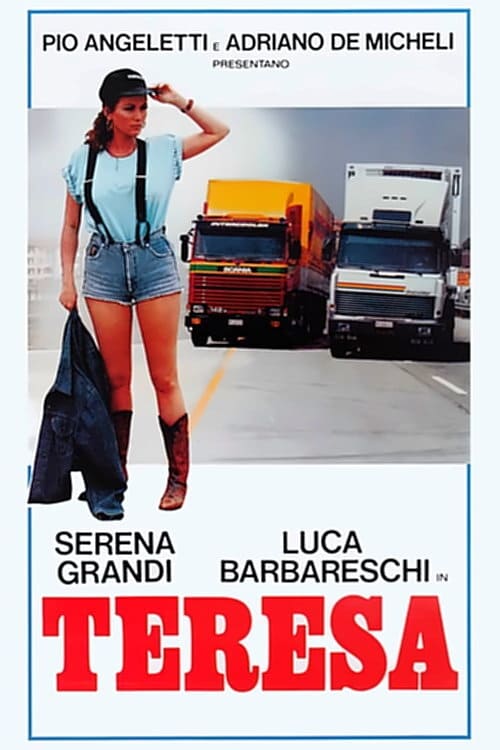
Teresa
1987
No user ratings available yet
Representation score: 3.2 out of 10
Representation Score
Limited
1957
Director
Dino Risi
Runtime
94 minutes
Average Rating
No ratings yetNew Showbiz Analysis
Poor Girl, Pretty Girl is a product of its mid-century Italian context, prioritizing traditional social and romantic structures. The narrative centers on men's control over the story and economic status, leaving little room for diverse identity exploration. While Dino Risi’s reputation for social critique suggests a capacity for nuance, the plot elements lean heavily on conventional gender roles and demographic homogeneity. The film functions more as a study of class and status than a platform for diverse representation. Ultimately, the work reflects the standard social frameworks of 1950s European cinema, focusing on the pressures of burgeoning capitalism and traditional relationship dynamics.
Category Breakdown
The movie focuses on traditional heterosexual relationships. There are no characters with non-straight identities or critiques of the assumption that everyone is straight.
The story revolves around male characters who drive the plot towards economic stability. Female characters mainly appear as romantic catalysts or social complications within traditional hierarchies.
The film reflects the demographic homogeneity typical of 1950s Italian cinema. It adheres to the traditional, homogeneous social structures of the time.
The story explores the intersection of romance and economic necessity in post-war Italy. It highlights the tension between social appearance and reality.
The available information contains no mention of characters navigating physical, neurodivergent, or mental health conditions.
Present on Screen
Limited or Absent
Official Synopsis
Romolo and Salvatore look for jobs to impress their girlfriends, but things get complicated when their old flame Giovanna reappears.
1987
1955
1955
1964
1953
1972

1941
1959
No reviews yet. Be the first to share your thoughts on this movie!
Use the rating form above to leave a star rating and optional review.