
The Flame of Devotion
1964
No user ratings available yet
Representation score: 5.7 out of 10

Representation Score
Fair
1939
Not RatedDirector
Kenji Mizoguchi
Runtime
144 minutes
Average Rating
No ratings yetNew Showbiz Analysis
Kenji Mizoguchi’s work serves as a sophisticated critique of systemic exploitation. By centering the lived experiences of women and the geisha class, the film challenges traditional patriarchal hierarchies often found in period dramas. The narrative succeeds in using the social order itself as an antagonist. It moves beyond simple romance to examine how institutional power dynamics strip individuals of their control. While the film lacks LGBTQ+ representation and multi-ethnic casting, its deep dive into Japanese subcultures and gendered struggles provides a powerful, culturally specific examination of social oppression.
Category Breakdown
The film focuses on the professional tradition of onnagata, where male actors perform female roles. It does not include explicit LGBTQ+ identities or same-sex romantic arcs.
The narrative centers on the struggles of women like Otoku against patriarchal institutions. It highlights the emotional labor and ability to act of women navigating male-dominated entertainment worlds.
Set in 19th-century Tokyo, the film reflects a homogeneous demographic. It offers a detailed look at Japanese geisha districts without a multi-ethnic cast.
The story provides a profound critique of rigid social hierarchies and the exploitative geisha system. Traditional institutions are portrayed as corrupt forces that consume individual autonomy.
There are no significant depictions of visible or invisible disabilities that drive the narrative.
Present on Screen
Limited or Absent
Official Synopsis
In late 19th-century Tokyo, Kikunosuke Onoue, the adopted son of a legendary actor, himself an actor specializing in female roles, discovers that the praise he receives is only due to his status as his father's heir. Devastated, he turns to Otoku, a servant of his family, for comfort, and they fall in love. Kikunosuke becomes determined to leave home and develop as an actor on his own merits, and Otoku faithfully joins him.
1964
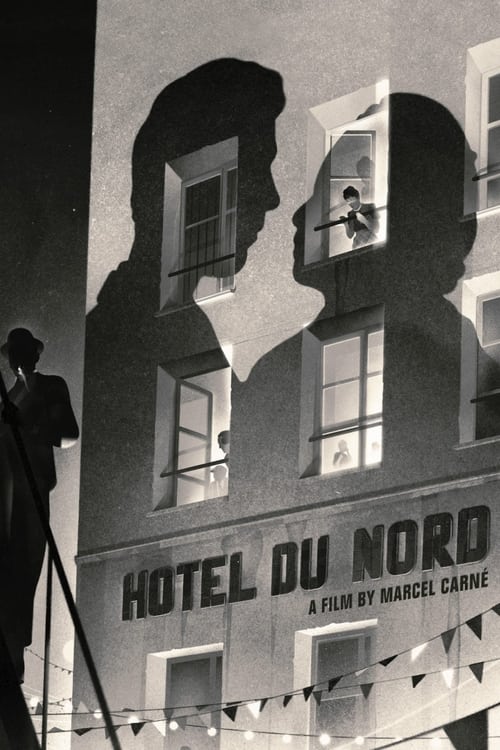
1938
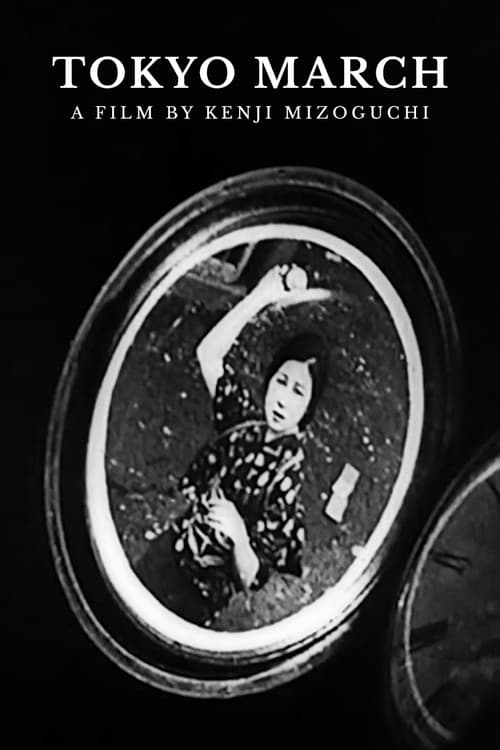
1929
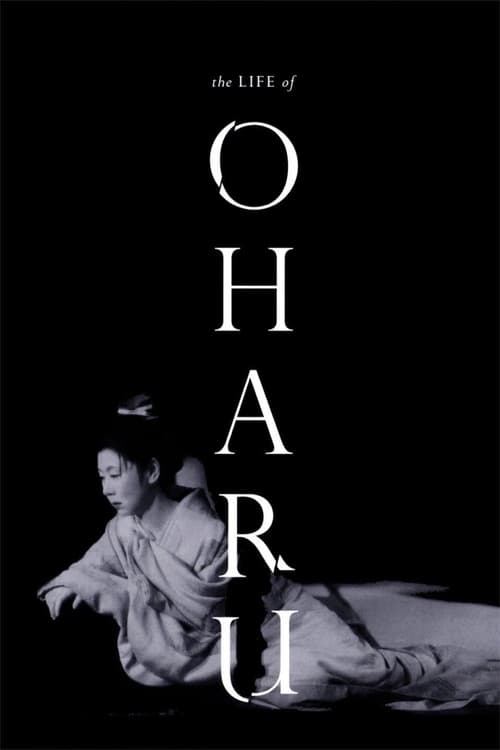
1952
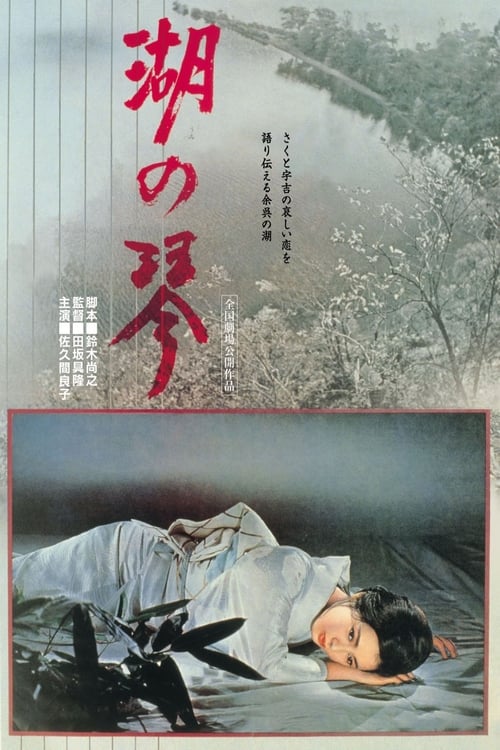
1966

1923
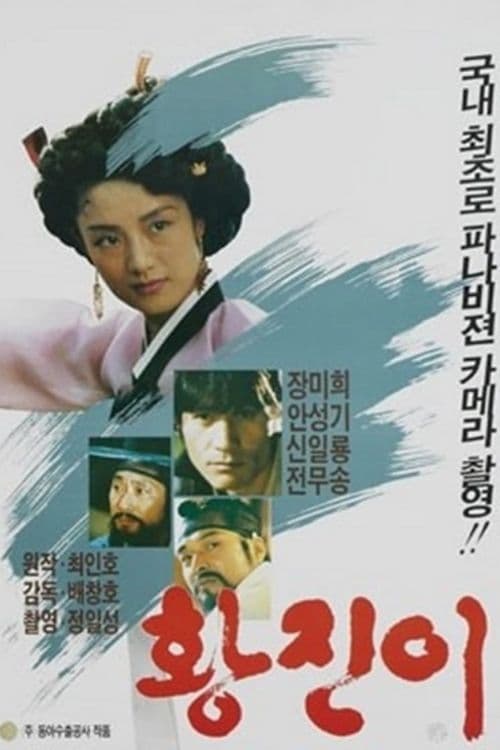
1986

1935
No reviews yet. Be the first to share your thoughts on this movie!
Use the rating form above to leave a star rating and optional review.