Tula: The Revolt
2013
No user ratings available yet
Representation score: 3.9 out of 10
Representation Score
Excellent
1984
Director
Carlos Diegues
Runtime
120 minutes
Average Rating
No ratings yetNew Showbiz Analysis
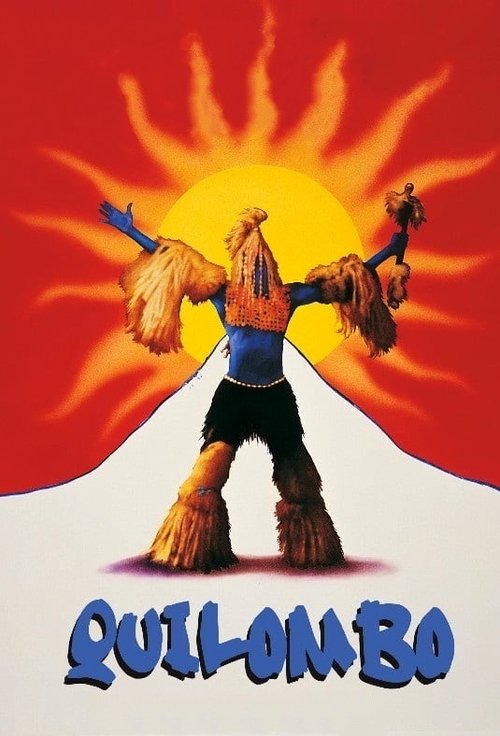
Carlos Diegues’ Quilombo is a powerful act of narrative reclamation that centers the African diaspora. By presenting the quilombo as a sophisticated political entity, the film challenges Eurocentric historical clichés and replaces passive victimhood with active ability to act. The film excels in its portrayal of a complex sanctuary where Black, Indigenous, and Jewish identities come together to resist Portuguese hegemony. It offers a profound critique of colonial power dynamics. While the film is groundbreaking in its racial and cultural representation, it lacks exploration of individual identity politics, such as LGBTQ+ or disability narratives. The focus remains on the socio-political struggle for communal sovereignty.
Category Breakdown
The film focuses on collective survival and political organization within the historical context, but does not include non-straight gender identities or queer romantic relationships.
Women are shown as key figures in defending the community and shaping its social structure. The film highlights their active roles, challenging stereotypes of domestic subservience and male heroism.
The film features an almost entirely Black cast, emphasizing the African experience. It includes Indigenous and Jewish individuals to create a diverse community of resistance.
The story critiques Western colonial structures by highlighting African spiritual traditions. It presents the quilombo as a necessary, independent alternative to oppressive mercantile systems.
The film does not prominently feature characters with visible or invisible disabilities. The narrative emphasizes racial and class-based struggles for liberation.
Present on Screen
Limited or Absent
Official Synopsis
Quilombo dos Palmares was a real-life democratic society, created in Brazil in the 17th century. This incredibly elaborate (and surprisingly little-known) film traces the origins of Quilombo, which began as a community of freed slaves. The colony becomes a safe harbor for other outcasts of the world, including Indians and Jews. Ganga Zumba (Toni Tornado) becomes president of Quilombo, the first freely elected leader in the Western Hemisphere. Naturally, the ruling Portuguese want to subjugate Zumba and his followers, but the Quilombians are ready for their would-be oppressors. The end of this Brave New World is not pleasant, but the followers of Zumba and his ideals take to the hills, where they honor his memory to this day. Writer/director Carlos Diegues takes every available opportunity to compare the rise and fall of Quilombo with the state of affairs in modern-day Brazil.
2013
2010

1963
1969
2025
2016
1984
2013
No reviews yet. Be the first to share your thoughts on this movie!
Use the rating form above to leave a star rating and optional review.