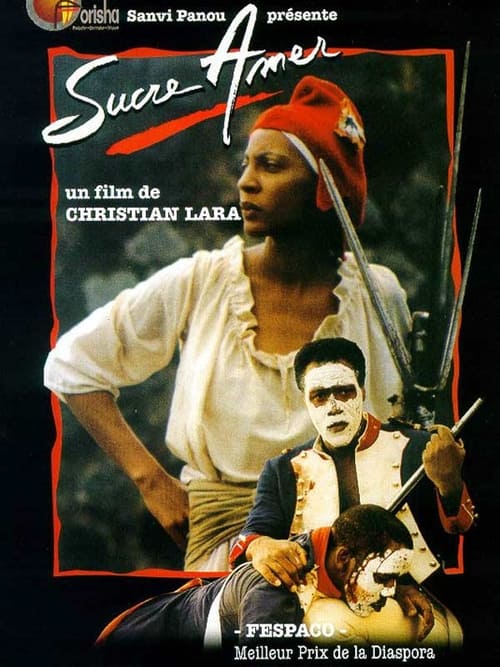
Bitter Sugar
1998
No user ratings available yet
Representation score: 4.4 out of 10

Representation Score
Limited
2026
Director
Abd Al Malik
Runtime
108 minutes
Average Rating
No ratings yetNew Showbiz Analysis
Furcy delivers strong racial and cultural representation by centering a Black protagonist’s historic legal victory against slavery. The diverse cast and colonial setting reinforce its progressive perspective. Gender balance is limited: women appear in supporting roles without clear leadership in the legal struggle. LGBTQ+ and disability representation are absent from the known material. The overall score reflects this uneven profile: high marks for race and culture, low marks for gender, LGBTQ+, and disability.
Category Breakdown
No LGBTQ+ characters or same-sex relationships appear in the plot or cast. The narrative concentrates on Furcy’s legal fight for freedom and his interactions with abolitionists and enslavers, leaving queer identities unrepresented.
The story centers on a Black man whose actions drive the plot. Women such as Virginie and Constance appear in supporting roles, but they are not portrayed as leaders or primary decision-makers in the legal battle.
The film centers a Black protagonist, Furcy, played by Makita Samba, challenging historical erasure. The cast includes several actors of color, and the story highlights a rare legal victory for an enslaved person within the French colonial system.
The plot critiques slavery and colonial power structures through a decades-long courtroom battle. It frames the abolitionist prosecutor as an ally and portrays the legal system as a difficult but accessible tool for justice against oppression.
No characters with physical or mental disabilities are mentioned in the synopsis or cast details. The narrative focuses on legal status, imprisonment, and exile rather than disability experiences.
Present on Screen
Limited or Absent
Official Synopsis
In 1817, on Bourbon Island (Reunion Island), a compelling narrative unfolds. Following the passing of his mother, the enslaved Furcy stumbles upon a letter of emancipation amidst her belongings – an unexpected key to his indirect liberation. Aided by the support of abolitionist prosecutor Gilbert Boucher, Furcy courageously embarks on a legal crusade against his master, Joseph Lory, in a bid to substantiate his claim to freedom. This legal saga, marked by numerous twists and turns, spans almost three decades. Furcy endures imprisonment and exile in Mauritius for a significant portion of this period. It is only in 1846 that he finally presents his case before the Royal Court of Paris. Furcy’s triumph in the courtroom distinguishes him as one of the rare slaves in French history to achieve legal emancipation several years prior to the definitive abolition of slavery.
1998
1954
2013
2010
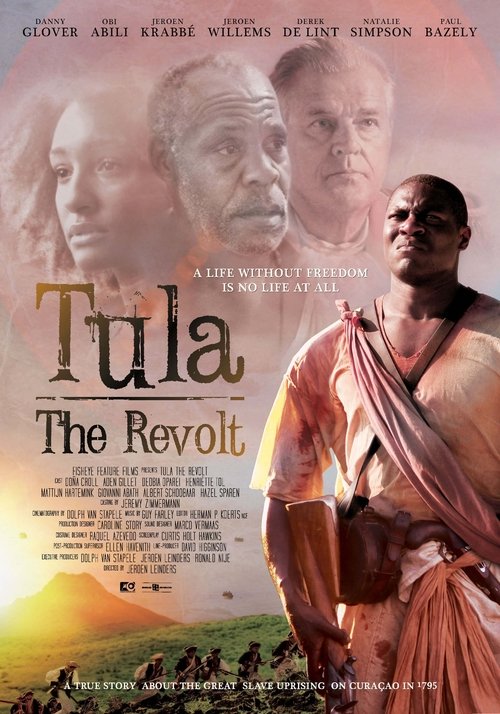
2013
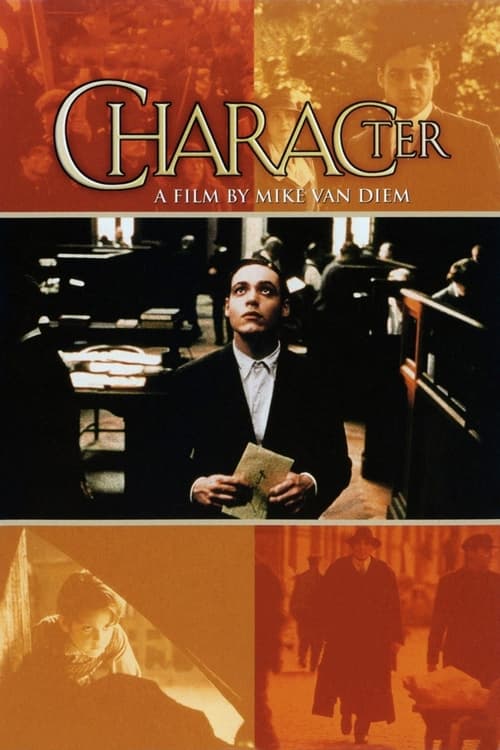
1997
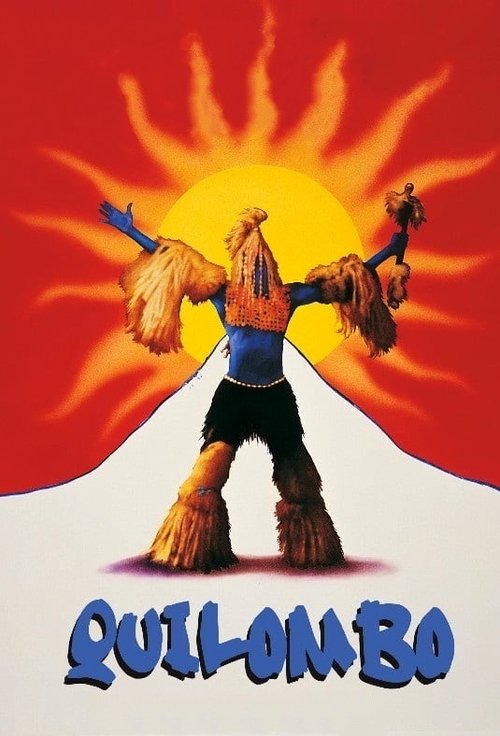
1984
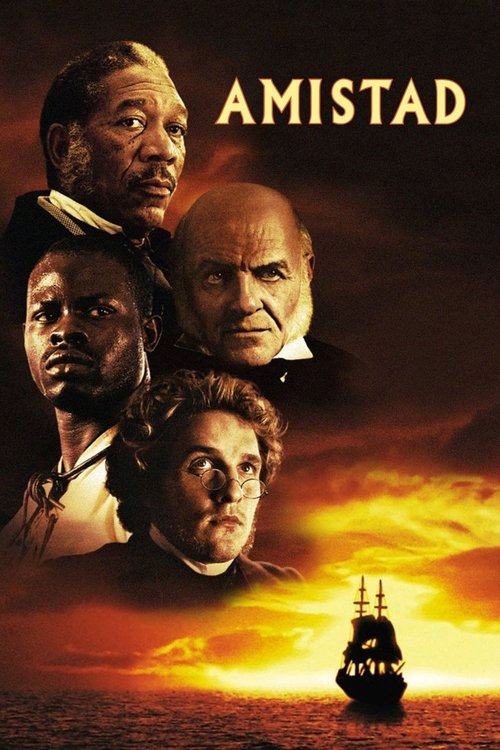
1997
No reviews yet. Be the first to share your thoughts on this movie!
Use the rating form above to leave a star rating and optional review.