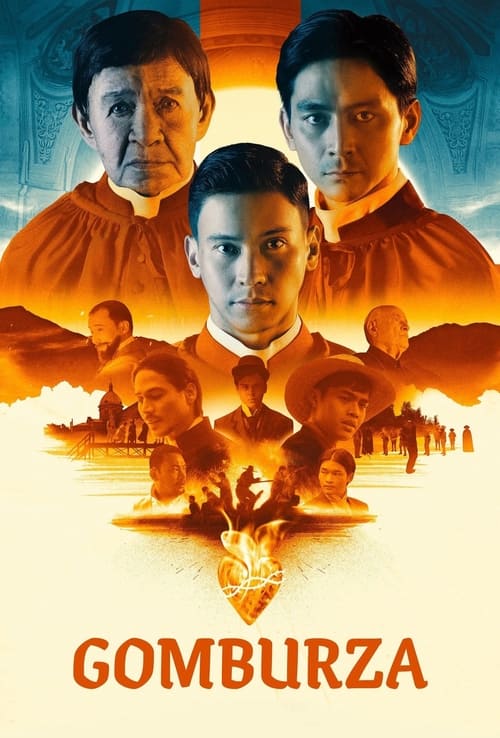
GomBurZa
2023
No user ratings available yet
Representation score: 3.3 out of 10
Representation Score
Limited
2014
TV-PGDirector
Enzo Williams
Runtime
100 minutes
Average Rating
No ratings yetNew Showbiz Analysis
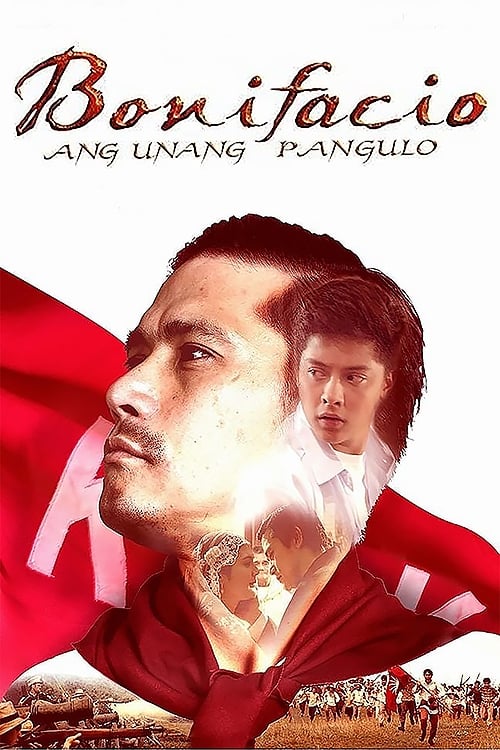
Bonifacio: Ang Unang Pangulo serves as a powerful tool for reclaiming history. It shifts the cinematic focus from the colonizer to the colonized, providing a vital counter-narrative to Western-centric historical epics. The film effectively deconstructs colonial power and explores post-colonial themes. However, it remains constrained by the social norms of its time, lacking modern representations of LGBTQ+ individuals and non-traditional gender dynamics.
Category Breakdown
The film focuses on the nationalist struggle of the 19th century and does not include any non-binary gender identities or same-sex relationships.
Women such as Gregoria de Jesus play important roles but their influence is tied to their relationships with male leaders. The film reinforces the patriarchal structures of the colonial era.
The film excels in showcasing the authentic indigenous Filipino experience. It challenges Eurocentric views by emphasizing local identity and the fight against Spanish rule.
The film critiques the oppressive systems by portraying the Spanish administration and the Catholic Church as dominant forces. It delves into the class-based political struggles and the plight of the working class.
There is no significant depiction of physical or neurodivergent disabilities in the film.
Present on Screen
Limited or Absent
Official Synopsis
The true story of Andres Bonifacio, a man who rose as a leader in the fight against the Spanish oppressors, and would gain the enmity of even those fighting for the same cause.
2023
1969
1984
1952
1970

2016

2010
2005
No reviews yet. Be the first to share your thoughts on this movie!
Use the rating form above to leave a star rating and optional review.