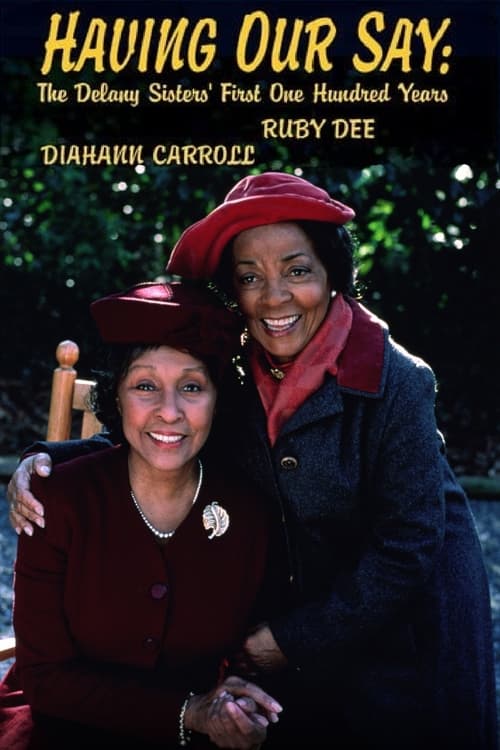
Having Our Say: The Delany Sisters' First 100 Years
1999
No user ratings available yet
Representation score: 4.8 out of 10
Representation Score
Fair
1987
NRDirector
Stan Lathan
Runtime
110 minutes
Average Rating
No ratings yetNew Showbiz Analysis
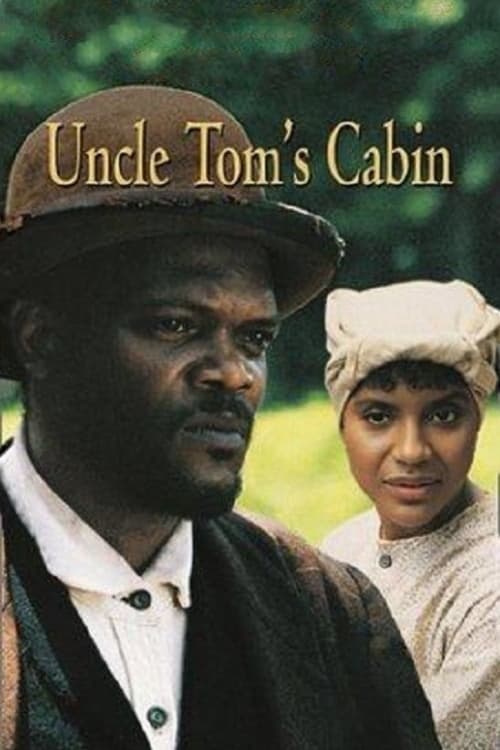
This adaptation of Harriet Beecher Stowe’s novel succeeds by focusing on the human impact of institutionalized oppression. With an all-Black cast, the film avoids historical whitewashing and provides a concentrated look at Black ability to act and survival. The film offers a sophisticated critique of how the American legal and economic systems treated human life as property. It avoids simplistic morality by presenting religion as both a mechanism of control and a tool for spiritual resilience. While the film lacks LGBTQ+ or disability-specific narratives, its rigorous deconstruction of systemic power dynamics provides significant progressive value. It challenges sanitized historical clichés by focusing on the psychological complexities of a racial hierarchy.
Category Breakdown
The film does not include any LGBTQ+ characters or themes. It focuses solely on the domestic and familial structures of the time period.
The film explores the intersection of race and gender, emphasizing the unique vulnerabilities faced by enslaved women. It uses maternal figures to critique how the state disrupts Black family units.
An all-Black cast avoids historical whitewashing, allowing for a focused exploration of Black ability to act and psychological resilience. This choice centers the lived experiences of enslaved individuals.
The story critiques how capitalism and the legal system treat humans as disposable property. It also examines religion as both a tool for systemic control and a source of spiritual strength.
There are no prominent depictions of characters with visible or invisible disabilities that drive the narrative arc.
Present on Screen
Limited or Absent
Official Synopsis
The life of an aging black slave, Tom, and the people he interacts with.
1999
1990
2001
1959
1988
1981

2021
1987
No reviews yet. Be the first to share your thoughts on this movie!
Use the rating form above to leave a star rating and optional review.