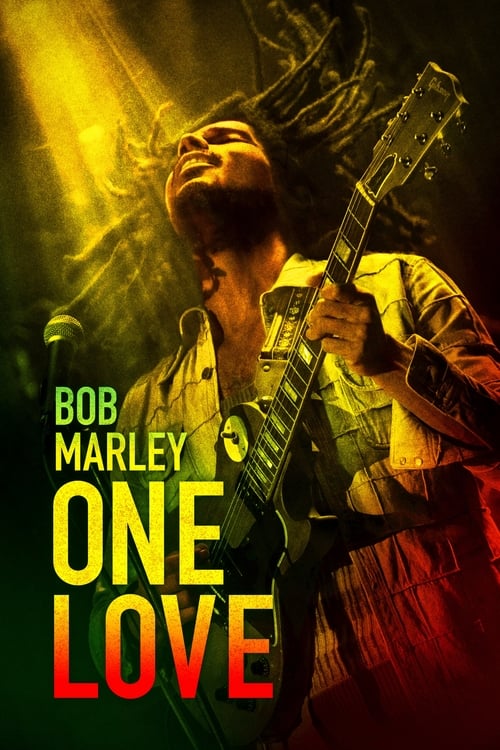
Bob Marley: One Love
2024
No user ratings available yet
Diversity score: 6.2 out of 10

1979
Director
Med Hondo
Runtime
116 minutes
Average Rating
No ratings yetSynopsis
Aboard a giant slave ship in an abandoned Citroën factory, the history of the West Indies is traced through several centuries of French oppression. The ship becomes a stage for the people to tell stories via song and dance—from their enslavement to their displacement in Metropolitan France.
Overall Score
Good
Category Breakdown
LGBTQ+ Representation
The film focuses its narrative energy on race, class, and coloniality. There is no explicit evidence of non-cisnormative gender identities or LGBTQ+ narratives present.
Gender Representation
Women in the film navigate the double marginalization of colonial economic extraction and local patriarchal hierarchies. They demonstrate significant agency rather than adhering to submissive tropes.
Racial & Ethnic Diversity
The film centers a predominantly Black Caribbean cast to deconstruct racial hierarchies. It effectively critiques the exotic gaze of the West by prioritizing the perspectives of the colonized.
Religious & Cultural Diversity
The narrative offers a rigorous critique of Western hegemony and capitalist structures. It frames modern tourism as a contemporary iteration of colonial economic exploitation.
Disability Representation
Character struggles are framed primarily through the lenses of class and racial exploitation. There is insufficient evidence of specific portrayals of visible or invisible disabilities.
Strengths
Areas for Improvement
AI Analysis
Med Hondo’s West Indies is a landmark of post-colonial cinema that uses a metaphorical slave ship to dismantle historical structures of exploitation. The film excels by centering Black Caribbean agency and deconstructing the racial hierarchies established by French colonial rule. While the film provides a sophisticated critique of Western hegemony and the extractive nature of the tourism industry, it lacks specific focus on LGBTQ+ identities or disability representation. The narrative remains deeply rooted in the intersections of race and class. Ultimately, the film's strength lies in its ability to use song, dance, and episodic storytelling to reclaim the history of the West Indies from the colonial gaze.
No reviews yet. Be the first to share your thoughts on this movie!
Use the rating form above to leave a star rating and optional review.