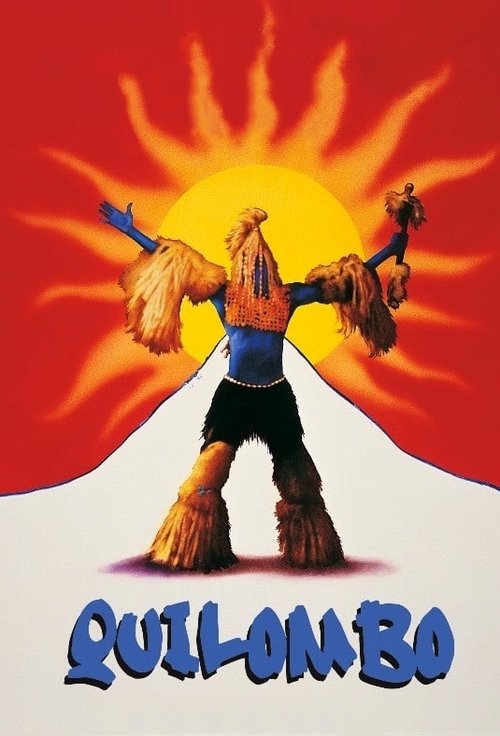
Quilombo
1984
No user ratings available yet
Representation score: 8.0 out of 10
Representation Score
Limited
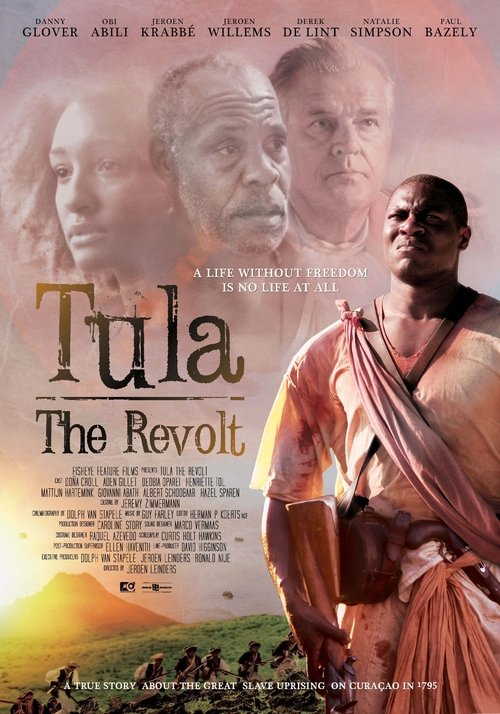
2013
Director
Jeroen Leinders
Runtime
100 minutes
Average Rating
No ratings yetNew Showbiz Analysis
Tula: The Revolt stands out as a historical drama that challenges conventional narratives by centering the experiences of the enslaved. By framing the struggle for liberation through the eyes of the oppressed, the film dismantles colonial power structures and promotes a narrative of collective ability to act. However, the film's scope is limited to racial and class-based conflicts. The absence of LGBTQ+ identities or disability representation restricts the story's breadth, leaving certain dimensions of human experience unexplored.
Category Breakdown
The film does not include any LGBTQ+ characters or explore queer dynamics. The focus is solely on racial and class-based struggles for freedom.
The story centers on the male protagonist Tula, highlighting themes of brotherhood. However, the film does not address women's ability to drive the story or subvert gender hierarchies.
The film emphasizes racial ability to act by focusing on a non-white protagonist who opposes white colonial power. It prioritizes the political mobilization of the enslaved population as the main plot driver.
The narrative criticizes Western colonial institutions as inherently oppressive. It prioritizes the justice of the oppressed over the established legal and religious structures of the time.
There is no evidence of characters with physical or neurodivergent disabilities. The context does not suggest any inclusion of disability representation.
Present on Screen
Limited or Absent
Official Synopsis
Tula, a slave on the island of Curacao, is becoming more and more aware of the injustice existing between his people and the white oppressors. His peaceful resistance inspires his people to unite in a passionate struggle for equality, freedom and brotherhood.
1984
2010

2013
1969

2025
1992

1984
2006
No reviews yet. Be the first to share your thoughts on this movie!
Use the rating form above to leave a star rating and optional review.