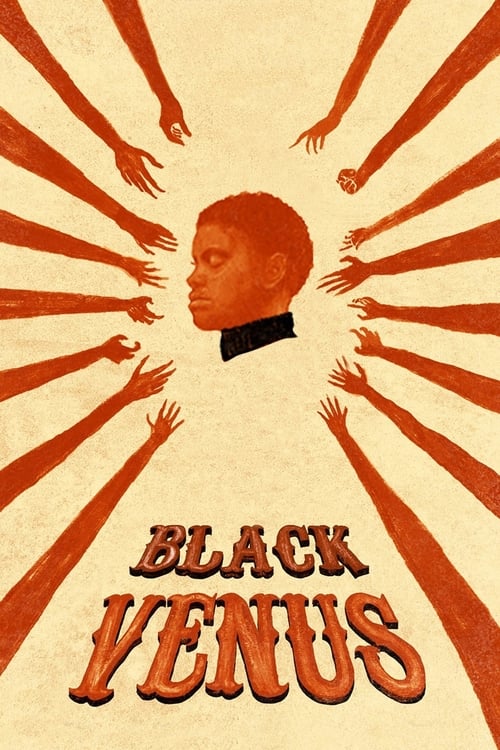
Black Venus
2010
No user ratings available yet
Representation score: 4.8 out of 10

Representation Score
Fair
2019
Director
Markus Schleinzer
Runtime
111 minutes
Average Rating
No ratings yetNew Showbiz Analysis
Angelo provides a compelling exploration of social mobility and identity in the 18th century. By focusing on an African protagonist in the Viennese court, the film breaks away from typical historical dramas. It effectively portrays how an individual overcomes systemic racial and class barriers to gain personal freedom. Although the film excels in racial representation, it adheres to conventional romantic structures. The emphasis on a traditional marriage limits broader LGBTQ+ perspectives. However, the dynamic between the protagonist and the Comtesse offers a nuanced view of gender roles. Overall, the film investigates how personal ability to act interacts with the strict moral and social codes of the time, using a historical framework.
Category Breakdown
The story revolves around a traditional heterosexual marriage, with no direct portrayal of same-sex relationships or non-cisgender identities.
The film features a European Comtesse who plays a pivotal role in advancing the protagonist's social standing. She takes charge of the situation, acting as an intellectual leader.
The movie centers on an African protagonist navigating the 18th-century Viennese court. This challenges the usual Eurocentric historical narratives by highlighting his journey from slavery to prominence.
The story examines conflicts between Western institutions such as the Church and individual identity. It critiques rigid social and religious structures through the protagonist's personal decisions.
There is no evidence of characters portraying physical, neurodivergent, or mental health disabilities within the narrative.
Present on Screen
Limited or Absent
Official Synopsis
In early 18th century an African slave boy is chosen by a European Comtesse to be baptized and educated. Reaching adulthood, Angelo achieves prominence and soon becomes the Viennese court mascot until he decides to secretly marry a white woman.
2010

1954
1976

2015

2013
2023

2016
2009
No reviews yet. Be the first to share your thoughts on this movie!
Use the rating form above to leave a star rating and optional review.