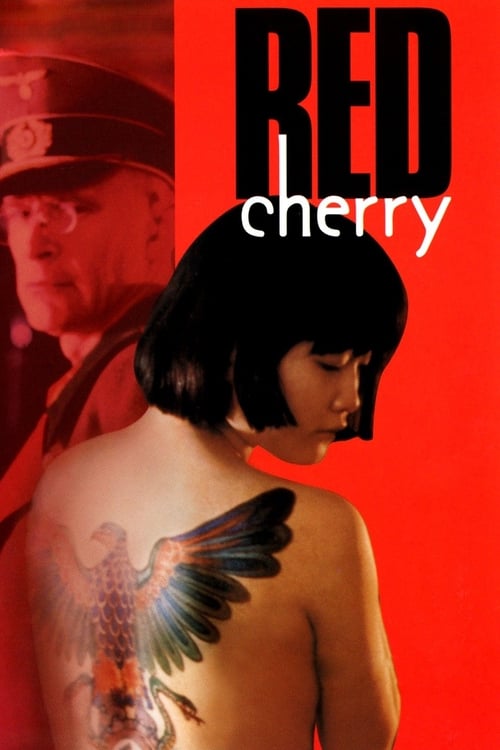
Red Cherry
1995
No user ratings available yet
Representation score: 7.3 out of 10
Representation Score
Fair
2008
RDirector
Roger Spottiswoode
Runtime
125 minutes
Average Rating
No ratings yetNew Showbiz Analysis
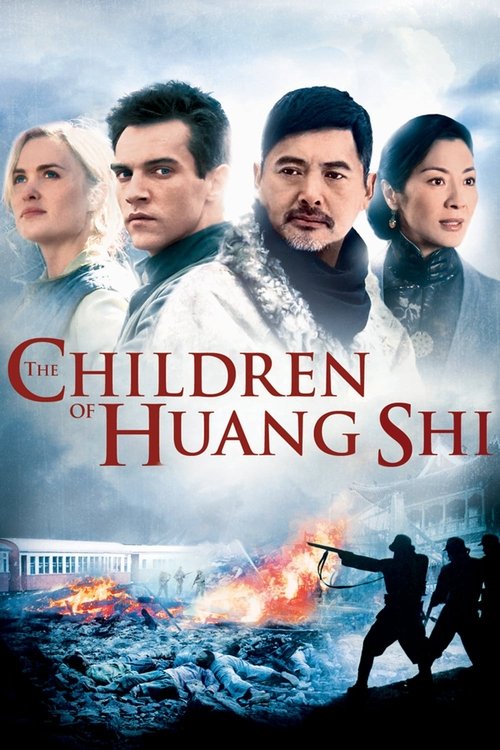
The film stands out as a strong cultural preservation piece, effectively resisting the erasure of Chinese identity during the Japanese occupation. By focusing on the protection of indigenous heritage, it avoids many common Western-centric clichés found in historical war dramas. However, the narrative is limited by traditional social structures. The heavy reliance on male-dominated leadership and the absence of LGBTQ+ characters restrict the film's range of representation. Ultimately, the film is a compelling portrayal of resistance and sovereignty, though it adheres to conventional gender hierarchies and lacks detailed studies of disability.
Category Breakdown
The film centers on wartime survival and national heritage. It does not include characters with non-binary or LGBTQ+ identities and does not challenge traditional heterosexual norms.
Leadership roles are mainly held by men in the military conflict. An Australian nurse provides a crucial perspective, but high-stakes decisions remain primarily made by men.
The film highlights the ability to act of Chinese characters and the protection of indigenous artifacts. It challenges the typical Western 'savior' narrative with a predominantly Chinese cast.
This post-colonial narrative portrays the struggle as a fight for sovereignty. It emphasizes the importance of indigenous heritage against imperialist expansion.
War-induced trauma and the vulnerability of orphans are shown. However, these elements highlight broader themes of tragedy rather than offering detailed studies of specific disabilities.
Present on Screen
Limited or Absent
Official Synopsis
About young British journalist, George Hogg, who with the assistance of a courageous Australian nurse, saves a group of orphaned children during the Japanese occupation of China in 1937.
1995
2009
1994
1952
2012
1997

1972

2020
No reviews yet. Be the first to share your thoughts on this movie!
Use the rating form above to leave a star rating and optional review.