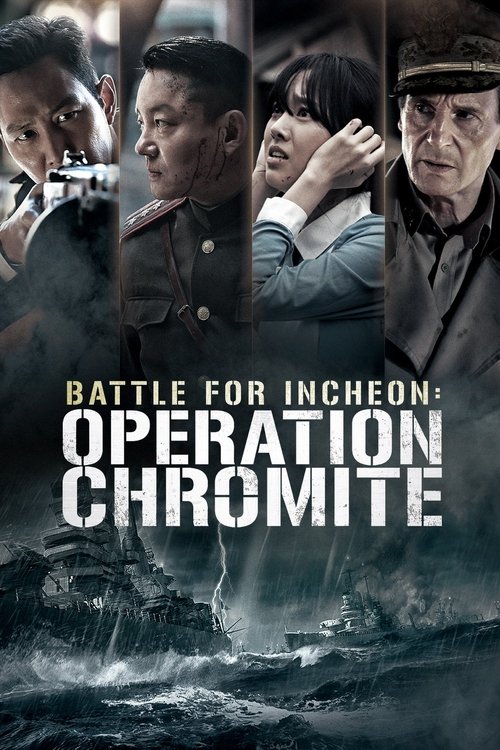
Operation Chromite
2016
No user ratings available yet
Representation score: 3.2 out of 10

Representation Score
Fair
2017
Not RatedDirector
Ryoo Seung-wan
Runtime
132 minutes
Average Rating
No ratings yetNew Showbiz Analysis
The Battleship Island is a visceral exploration of post-colonial identity and the dehumanization of ethnic minorities under imperial rule. It centers the ability to act of the oppressed against a corrupt colonial administration. However, the film operates within a traditional masculine framework where the central action is driven by men, leaving women in supporting roles. While it provides a sophisticated critique of systemic violence, it lacks representation of LGBTQ+ identities and neurodivergent characters, focusing instead on the immediate brutality of the historical setting.
Category Breakdown
The film focuses solely on the survival and resistance of Korean laborers. There are no LGBTQ+ characters or explorations of non-straight relationships.
The story is mainly driven by male protagonists, reflecting the historical labor force. Women navigate the same harsh conditions but often play supporting roles rather than taking central action.
The film centers on the Korean diaspora and the exploitation of ethnic minorities. It challenges colonial hierarchies by focusing on the suffering and resistance of the colonized subjects.
The story critiques imperialist capitalism and the exploitation of labor. It portrays traditional authority as a source of systemic corruption and violence.
Physical injuries and bodily degradation mark the characters' suffering. There is little representation of neurodivergent individuals or characters with disabilities.
Present on Screen
Limited or Absent
Official Synopsis
During the Japanese colonial era, roughly 400 Korean people, who were forced onto Battleship Island 'Hashima Island' to mine for coal, attempt to escape.
2016

1945

1960

1959

2017

1959

2018

1964
No reviews yet. Be the first to share your thoughts on this movie!
Use the rating form above to leave a star rating and optional review.