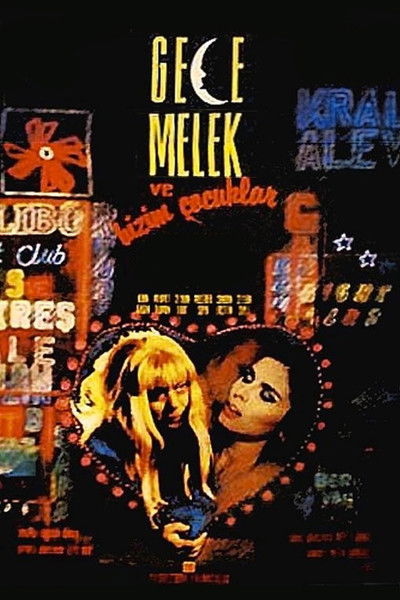
The Night, Angel and Our Children
1994
No user ratings available yet
Representation score: 5.9 out of 10

Representation Score
Fair
1985
Director
Sinan Çetin
Runtime
83 minutes
Average Rating
No ratings yetNew Showbiz Analysis
Number 14 is a social-realist drama that explores the tension between rural traditions and the harsh realities of urban modernization. It successfully centers a female protagonist's struggle for independence against systemic exploitation. However, the film lacks depth in representing diverse identities, such as LGBTQ+ individuals or non-cisgender identities. It also relies on ethnic archetypes and a homogeneous cast. Ultimately, the film earns its score by subverting traditional masculine competence and offering a critical perspective on the economic pressures faced by underrepresented women.
Category Breakdown
The film focuses on heterosexual relationships and does not include any LGBTQ+ narratives or non-cisgender identities.
The story follows Yaprak's journey from being exploited to regaining her independence, providing a strong female-centric arc. Male characters are portrayed as weak or ineffective, challenging traditional masculine roles.
The film explores the challenges of rural-to-urban migration in Turkey. Although the cast is ethnically uniform, it includes a character who embodies a local ethnic stereotype.
The narrative critically examines urban capitalism and traditional social structures. It portrays the city as a harsh environment that forces moral compromises.
The film does not feature any characters with visible or invisible disabilities.
Present on Screen
Limited or Absent
Official Synopsis
Yaprak is just one of thousands of young women, who leave their quiet village lives behind them to seek their fortune in Istanbul. But the reality of life in a big city is harsh, and Yaprak is forced to take a job in one of the cities licensed brothels. Her beauty and youth make her popular with the patrons and she is soon the focus of the attention of two men; Necmi, a spineless but well meaning young man, and Arab, a deranged pimp who has recently lost his main source of income, his wife Zargana. Necmi wants to take Yaprak away from her nightmare existence, but soon finds himself forced to separate from her by the viscous Arab. Arab spends all of Yaprak's money, but after a savage attack on her, she comes to her senses. She and Necmi get married and as Yaprak says farewell to her friends in the brothel, Arab returns for the last time to seek his brutal revenge...
1994

1956

1979

1962

2014

1978

1974

2003
No reviews yet. Be the first to share your thoughts on this movie!
Use the rating form above to leave a star rating and optional review.