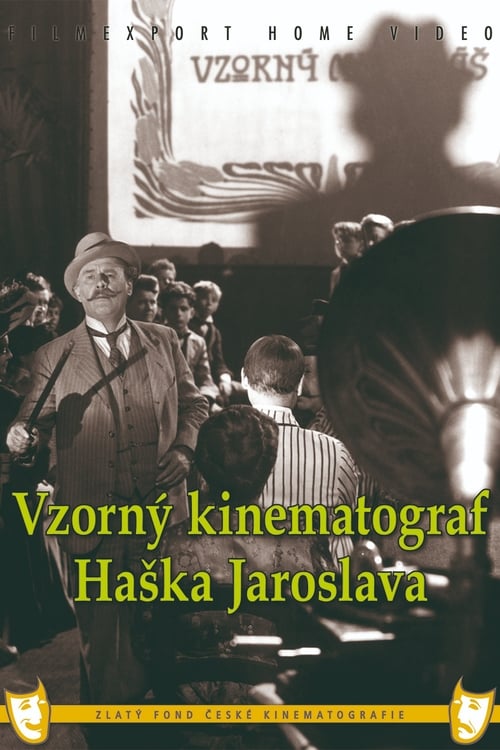
Jaroslav Hasek's Exemplary Cinematograph
1956
No user ratings available yet
Representation score: 5.4 out of 10
Representation Score
Good
1952
Director
Miroslav Hubáček
Average Rating
No ratings yetNew Showbiz Analysis
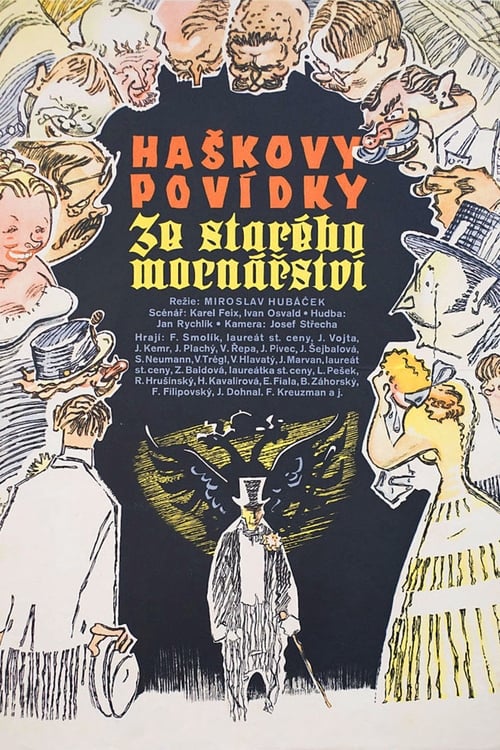
Hasek’s Tales from the Old Monarchy is a satirical anthology that uses episodic storytelling to critique the bureaucratic and social hierarchies of the Austro-Hungarian era. It excels in its cultural critique, employing absurdity to challenge the legitimacy of the Monarchy and the Church. However, the film is constrained by its historical context. The narrative centers on male-dominated professional spheres and lacks visible representation of LGBTQ+ identities or racial diversity beyond the Central European setting. Ultimately, the work serves as a period-specific social critique. It highlights the struggles of the lower classes against institutional stability, even though it does not offer multi-layered breadth.
Category Breakdown
The film does not include any characters who identify as LGBTQ+. The focus is on social satire regarding class and municipal governance.
The stories center around male-dominated spheres such as municipal authority and professional advancement. Female characters do not play a leading role in driving the plot.
The setting reflects the ethnic composition of the Austro-Hungarian Empire. The satire targets the rigid, ethnically stratified bureaucracy of that time.
The film explores the tension between individuals and institutions like the Church and State. It emphasizes the ability to act of the lower classes against systemic corruption.
There is no depiction of neurodivergence or physical disabilities. Characters are defined by their social status rather than health conditions.
Present on Screen
Limited or Absent
Official Synopsis
Four short stories by the greatest Czech satirist Jaroslav Hašek. "Soup for Poor Children" tells the story of how Prince Robert himself cooked soup for poor children, "Meeting of the Municipal Council in Mejdlovary" is the history of filling the position of municipal policeman, "Trampotes of Mr. Tenkrát" shows how strange events lead to marriage and promotion, "Revolt of the Convict Šejba" depicts the victorious fight of the convict Šejba for a dumpling for ministering at mass.
1956
1967
1957
1971

1975
1997
1989
1947
No reviews yet. Be the first to share your thoughts on this movie!
Use the rating form above to leave a star rating and optional review.