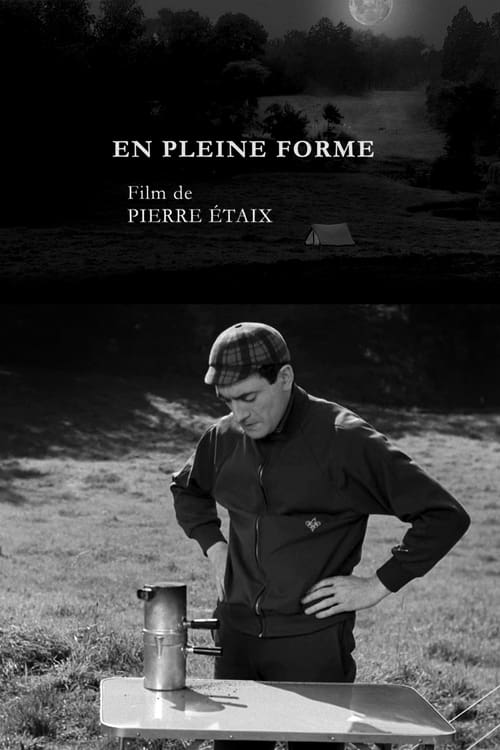
Feeling Good
1966
No user ratings available yet
Representation score: 4.8 out of 10
Representation Score
Fair
1966
Not RatedDirector
Pierre Étaix
Runtime
68 minutes
Average Rating
No ratings yetNew Showbiz Analysis
Pierre Étaix’s surrealist comedy prioritizes stylistic experimentation and the absurdity of the human condition over identity-driven narratives. As a period piece from 1966, the film operates within the conventional demographic frameworks of its time. The anthology structure focuses on vignettes about psychological states and societal stressors, such as urban pollution. This results in a work that critiques modern progress but lacks specific characters who reflect more than one aspect of diversity. Ultimately, the film's low scores reflect a lack of diverse casting and a focus on absurdist clichés rather than complex studies of identity or social hierarchy.
Category Breakdown
The film does not include any explicit LGBTQ+ characters or stories. Instead, it focuses on individual psychological states and situational humor.
The narratives center on personal experiences such as sleep deprivation or urban frustration. There is little evidence of gendered power dynamics or complex gendered relationships.
The setting reflects a traditional mid-century European environment. The cast seems to follow the demographic norms of 1960s French cinema without much diverse casting.
The film critiques modern institutions, particularly through a segment on urban pollution and construction. It views industrialization as a source of societal tension and individual distress.
One segment explores psychological distress and altered consciousness through a man unable to distinguish between fiction and reality. The film's approach to these mental states remains largely unexplored.
Present on Screen
Limited or Absent
Official Synopsis
An anthology film consisting of four stories. (1) A man reads a Dracula novel while in bed, but cannot seem to tell the novel from reality, causing sleep troubles. (2) A man cannot escape the absurd ads he saw at the movie theater that day. (3) A polluted and construction-ridden town keeps everybody on edge, sending one man to the doctor. (4) A hunter, a farmer and a couple on a picnic unknowingly cause continuous trouble for one another.
1966
1960
1948
1949
1994
1979
1991
1962
No reviews yet. Be the first to share your thoughts on this movie!
Use the rating form above to leave a star rating and optional review.