
My Sweet Little Village
1985
No user ratings available yet
Representation score: 3.7 out of 10
Representation Score
Good
1981
Director
Jiří Menzel
Runtime
93 minutes
Average Rating
No ratings yetNew Showbiz Analysis
Jiří Menzel’s comedy succeeds by challenging institutional authority through character actions. The film uses organic, communal rituals to undermine the rigid, sterile requirements of a brewery audit, favoring lived experience over bureaucracy. However, the work lacks modern multi-layered breadth. The setting is culturally homogeneous, and the narrative remains within the conventional bounds of the era regarding LGBTQ+ and racial representation. Ultimately, the film's strength lies in its disruption of traditional hierarchies, specifically through a woman's ability to manipulate social structures via local tradition.
Category Breakdown
The film focuses on traditional heterosexual relationships and does not include any non-binary gender identities or narratives that challenge heterosexuality.
Maryska challenges traditional gender roles by taking a leading role in managing the communal feast. She actively influences the story, but her impact is limited by the presence of authoritative male figures.
The story takes place in a homogeneous Czechoslovakian setting and does not explore multi-ethnic or racial diversity.
The narrative criticizes formal institutions by emphasizing communal, sensory-driven celebrations over bureaucratic order. The pig-killing feast celebrates local traditions and social bonding.
There is no prominent depiction of physical or neurodivergent disabilities. The character Pepin is described as eccentric, which may function more as a character cliché than meaningful representation.
Present on Screen
Limited or Absent
Official Synopsis
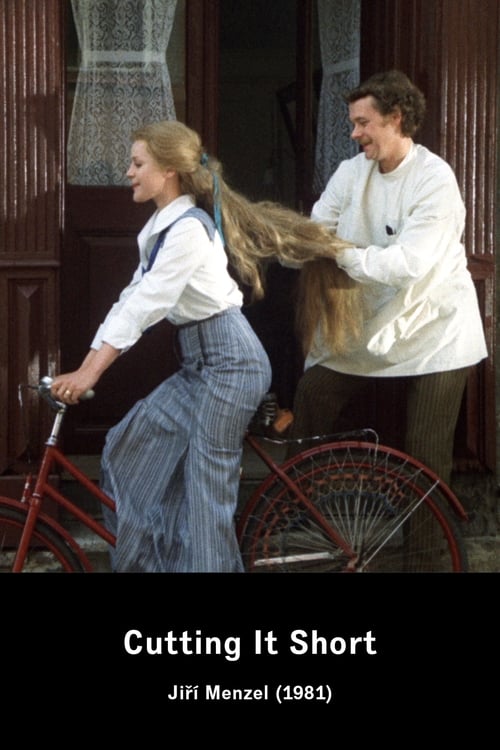
Francin, manager of a small-town brewery, has a charming wife whose abundant blonde locks are an adornment to the town. Maryska looks ethereal but loves meat and beer, while Francin is an ascetic. The strict members of the brewery board of directors come to audit the accounts, but are diverted from concentrating on Francin's detailed reports by Maryska, who has organized a pig-killing feast and is ably assisting the butcher. When she invites the old curmudgeons on the board to enjoy the fresh pork, they are too happy to agree. Francin doesn't know whether he is going to get a permanent contract. To make things worse his brother Pepin - eccentric, noisy and garrulous - turns up on an indefinite visit.
1985
1967
1979

1966
1975
1989

1968
1970
No reviews yet. Be the first to share your thoughts on this movie!
Use the rating form above to leave a star rating and optional review.