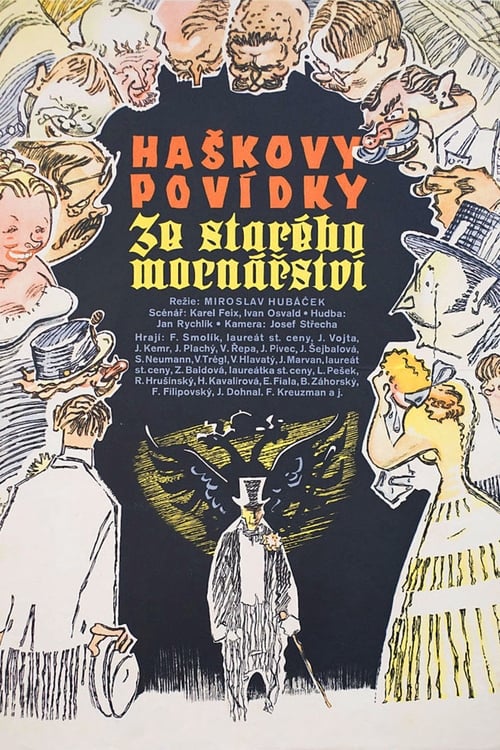
Hasek’s Tales from the Old Monarchy
1952
No user ratings available yet
Diversity score: 4.6 out of 10
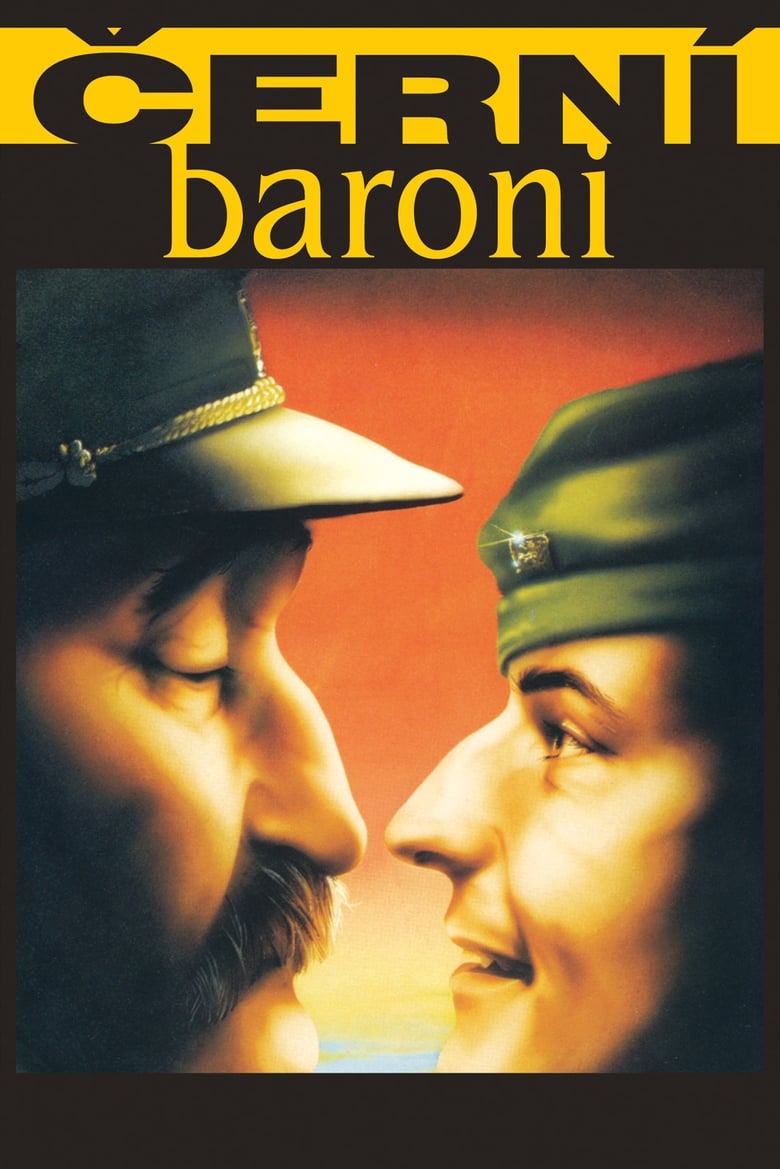
1992
Director
Zdenek Sirový
Runtime
99 minutes
Average Rating
No ratings yetSynopsis
Life of Czechoslovak soldiers in a military unit for the so called "politically unreliable" - the Technical auxiliary battalions, aka "the black barons". Although it might seem like a political satire and it's mostly funny, it shows the reality and the absurdity of military service under the communist regime. Based on a novel by Miloslav Svandrlik.
Overall Score
Fair
Category Breakdown
LGBTQ+ Representation
The film lacks explicit evidence of queer narratives or non-cisnormative identities. The narrative focus remains on political unreliability rather than sexual orientation.
Gender Representation
Set in a hyper-masculine military environment, the film likely disrupts traditional archetypes through satire. However, agency remains centered on male protagonists.
Racial & Ethnic Diversity
The cast reflects the demographic homogeneity of the Czechoslovak Socialist Republic. The story prioritizes ideological distinctions over racial or ethnic diversity.
Religious & Cultural Diversity
The film excels by deconstructing institutional power and portraying the state as corrupt. It prioritizes the perspective of systemic outsiders over the state.
Disability Representation
Specific physical or neurodivergent details are absent. However, political non-conformity is treated by the state as a systemic social defect.
Strengths
Areas for Improvement
AI Analysis
Black Barons is a sharp satirical critique of the absurdity found within the communist military hierarchy. It succeeds by centering the 'politically unreliable,' turning those marginalized by the state into the narrative's heart. This subversion of institutional authority provides significant cultural value. However, the film is limited by the demographic realities of its setting. It lacks intersectional depth, offering little in the way of racial, ethnic, or LGBTQ+ representation. The focus is strictly on the friction between individual identity and totalitarianism. Ultimately, the film functions as a narrative of resistance. While it does not provide diverse demographic representation, it offers a powerful deconstruction of systemic conformity and oppressive power structures.
1952
1997

1987
2003

1997
1970
1982
1999
1957

2008
1984
1992
No reviews yet. Be the first to share your thoughts on this movie!
Use the rating form above to leave a star rating and optional review.