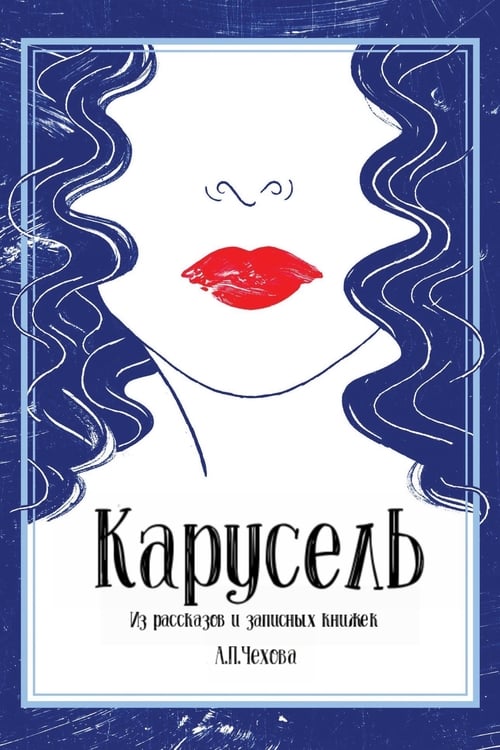
The Roundabout
1971
No user ratings available yet
Representation score: 7.0 out of 10

Representation Score
Good
1975
Director
Leonid Gaidai
Runtime
92 minutes
Average Rating
No ratings yetNew Showbiz Analysis
Leonid Gaidai’s satire gains its impact from its willingness to criticize social stability rather than demographic diversity. By highlighting vices such as drunkenness and greed, the film challenges the era's idealized social narratives. While the film lacks racial and LGBTQ+ diversity, it effectively uses humor to highlight the discrepancies between societal ideals and real-life behaviors. Ultimately, the work serves as a critique of systemic issues, using humor to expose the gap between perceived social perfection and actual human behavior.
Category Breakdown
The film does not include explicit LGBTQ+ characters or stories that challenge traditional heterosexual relationships. Although the film uses satire to disrupt conventional gender roles, it primarily focuses on the social structures of a provincial setting.
Female characters in Gaidai's comedies often display intelligence and play a significant role in driving the plot, often overshadowing the less capable male characters. However, the story may rely on traditional stereotypes of the time period.
Set in the 1970s Soviet provincial landscape, the cast appears ethnically uniform. There is no indication of intentional casting to include diverse racial backgrounds within this regional setting.
The film offers a strong social critique by breaking down the idealized provincial life. It rejects the state's sanctioned narratives of virtue, focusing instead on a realistic portrayal of systemic social issues.
There is no specific evidence of characters with physical or neurodivergent disabilities. The slapstick comedy relies on exaggerated movements rather than depicting actual disabilities.
Present on Screen
Limited or Absent
Official Synopsis
The film includes three short stories based on the stories of Mikhail Zoshchenko: "Crime and Punishment", "Fun Adventure", and "Wedding Event" about the negative phenomena of the provincial life of the young country of the Soviets: stupidity, drunkenness, money-grubbing, lack of spirituality.
1971
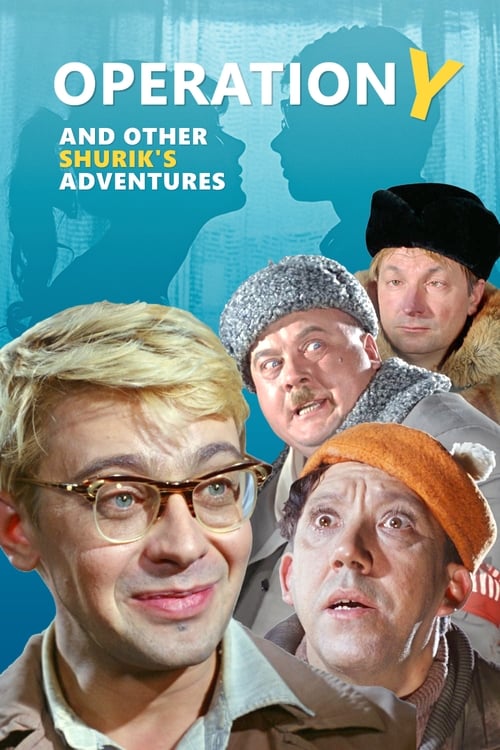
1965
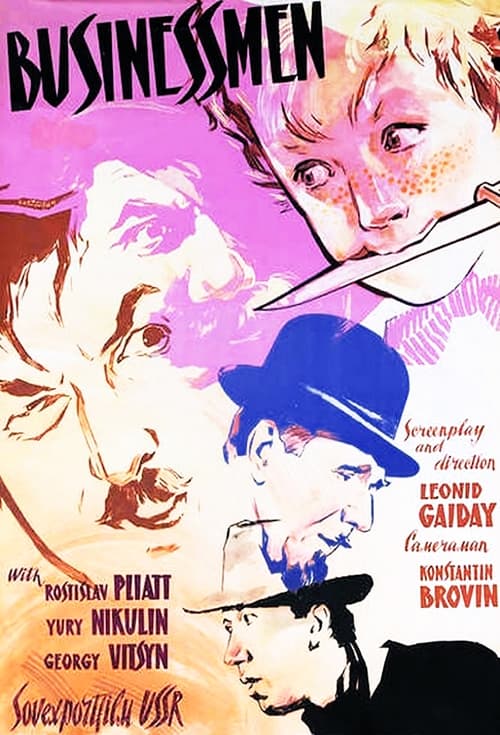
1963
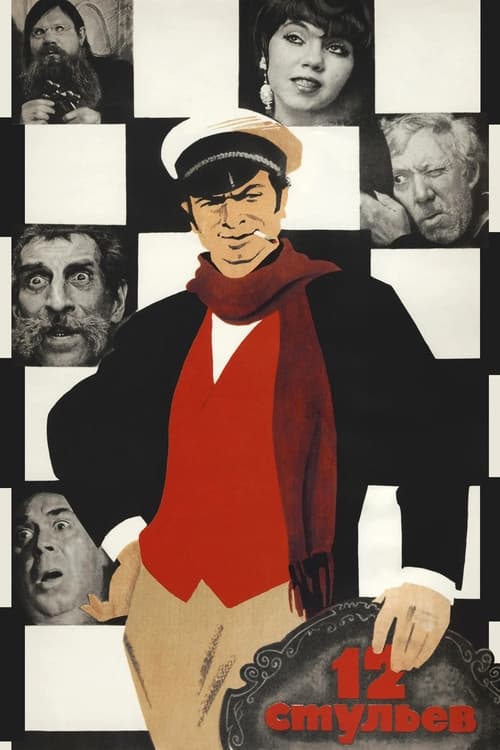
1971

2019
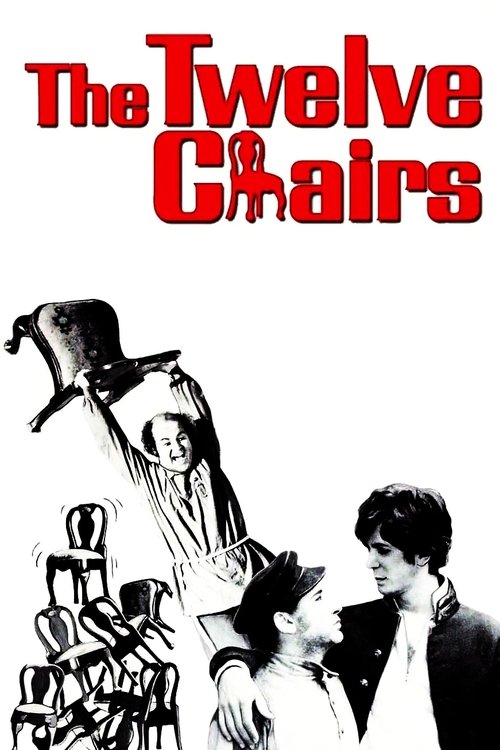
1970
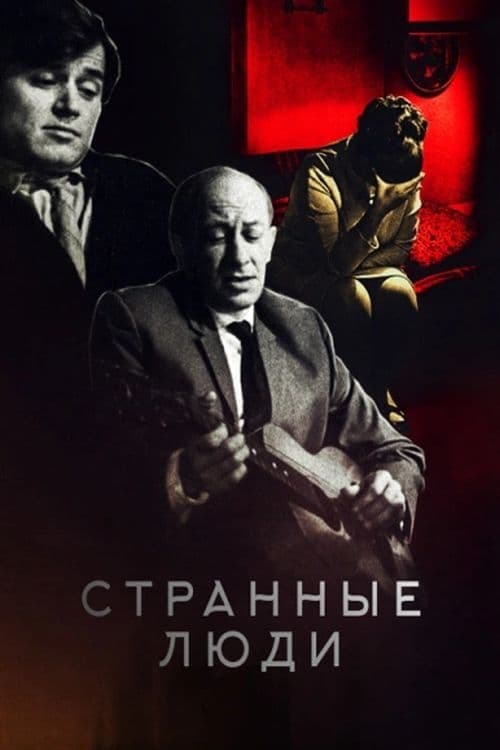
1969
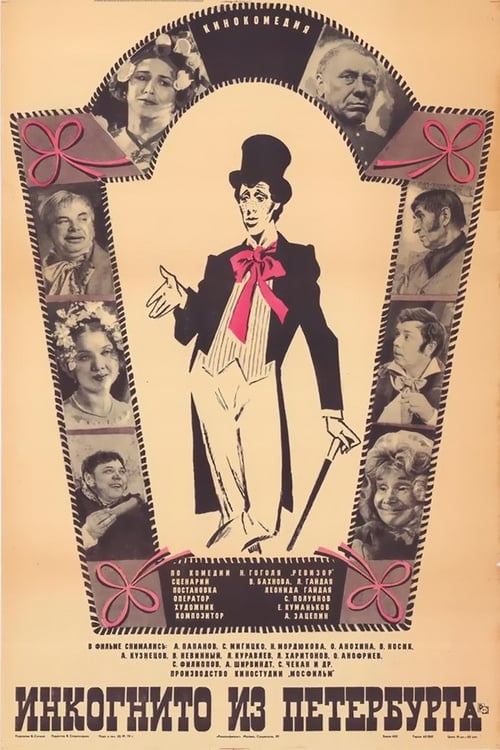
1978
No reviews yet. Be the first to share your thoughts on this movie!
Use the rating form above to leave a star rating and optional review.