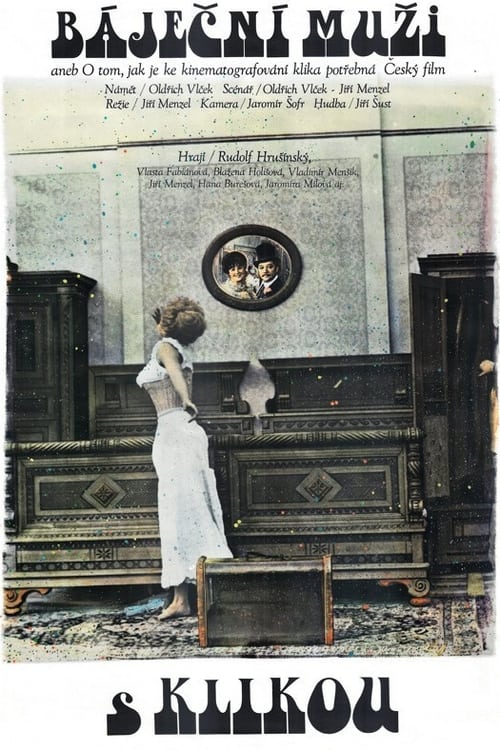
Those Wonderful Movie Cranks
1979
No user ratings available yet
Representation score: 4.9 out of 10

Representation Score
Fair
1990
Director
Jiří Menzel
Runtime
97 minutes
Average Rating
No ratings yetNew Showbiz Analysis
The film serves as a satirical comedy that undermines the perceived stability of aristocratic structures. It successfully challenges traditional class hierarchies by highlighting the tension between new political assemblies and old aristocratic pretensions. However, the historical setting limits the presence of modern multi-layered markers such as LGBTQ+ and racial diversity. The narrative remains focused on a homogeneous Central European society. Overall, while the film lacks contemporary diversity markers, it effectively disrupts traditional social orders and shifts power dynamics.
Category Breakdown
The film does not include explicit representations of LGBTQ+ identities or same-sex relationships. The plot revolves around social interactions between the main character and the Duke.
Women in the film play influential roles in shaping social dynamics. Despite the central conflict involving male social climbing, the women have significant impact on the story.
Set in 1918 Czechoslovakia, the film focuses on a homogeneous Central European society. It does not feature diverse racial backgrounds.
The story uses satire to question the legitimacy of inherited nobility and traditional European institutions, challenging the old social order.
The film does not depict physical or neurodivergent disabilities.
Present on Screen
Limited or Absent
Official Synopsis
Czechoslovakia 1918. The newly formed National Assembly has made Stoklasa the administrator of the Kratochvile Castle. Although with no aristocratic background, he is a man of fortune and is trying to buy the castle. To impress his neighbors and the local politicians he invites them to a great hunting party. Uninvited comes a man who claims to be Duke Alexej. Stoklasa believes him to be a hustler. This hustler, however, manages to charm all the women before he leaves.
1979
1967
1981
2007
1934
1971
1976
1981
No reviews yet. Be the first to share your thoughts on this movie!
Use the rating form above to leave a star rating and optional review.