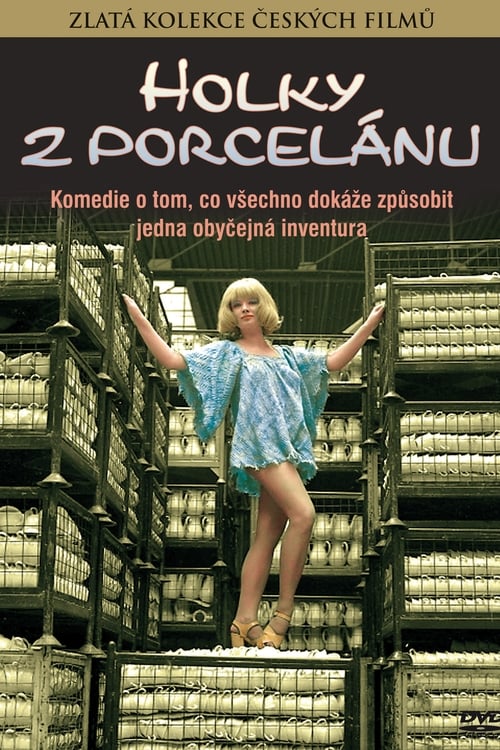
Girls from a Porcelain Factory
1975
No user ratings available yet
Representation score: 4.1 out of 10
Representation Score
Good
1965
Director
Juraj Herz
Runtime
31 minutes
Average Rating
No ratings yetNew Showbiz Analysis
Juraj Herz’s adaptation of Bohumil Hrabal’s prose is a product of the Czechoslovak New Wave, a movement defined by surrealism and systemic critique. The film finds its strength in cultural and philosophical depth, using a junk shop setting to challenge institutionalized values and social hierarchies. However, the work lacks demographic diversity. The cast appears ethnically homogeneous, reflecting the regional context of the 1960s, and there is no confirmed presence of LGBTQ+ narratives or diverse racial representation. Ultimately, the film trades broad demographic variety for a sophisticated deconstruction of social norms. It prioritizes individual perception and existentialist themes over a wide spectrum of identity-based representation.
Category Breakdown
The film does not explicitly document LGBTQ+ identities. While the era's cinema often explored nuanced interpersonal dynamics, there is no clear evidence of LGBTQ+ characters or narratives critiquing the assumption that everyone is straight or cisgender.
The narrative focuses heavily on the protagonist's internal life. Female characters may serve as complex foils to the male lead, potentially subverting passive clichés through emotional or intellectual depth.
The production reflects the ethnic homogeneity of 1965 Czechoslovakia. The localized setting and social realism suggest a lack of multi-ethnic representation or intentional race-bent casting.
The film excels by prioritizing subjective morality over state or religious dogma. The junk shop serves as a metaphor for deconstructing traditional progress and institutional stability.
Herz's surrealist style often features eccentric outsider characters. These figures may navigate the world through non-standard cognitive lenses, though they risk serving as mere stylistic devices.
Present on Screen
Limited or Absent
Official Synopsis
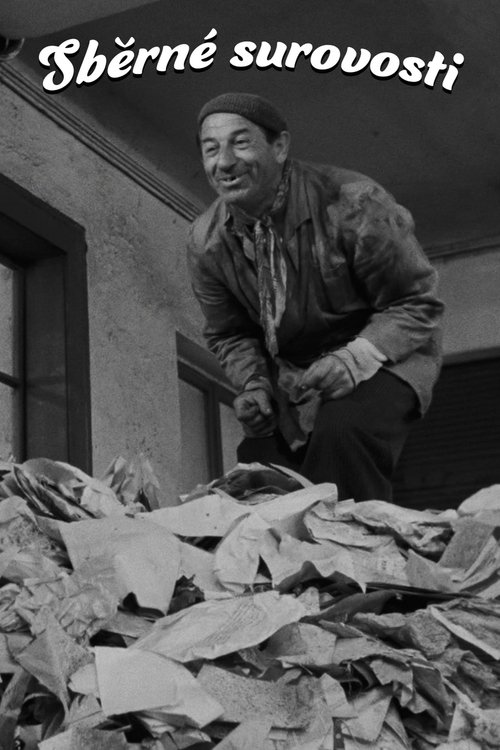
Juraj Herz adapts Bohumil Hrabal's story about a man who works in a junk shop.
1975
1967

1997
2006
1983
1982
1970

1966
No reviews yet. Be the first to share your thoughts on this movie!
Use the rating form above to leave a star rating and optional review.