Mystery Broadcast
1943
No user ratings available yet
Representation score: 1.4 out of 10
Representation Score
Limited
1934
Director
Reginald Denham
Runtime
75 minutes
Average Rating
No ratings yetNew Showbiz Analysis
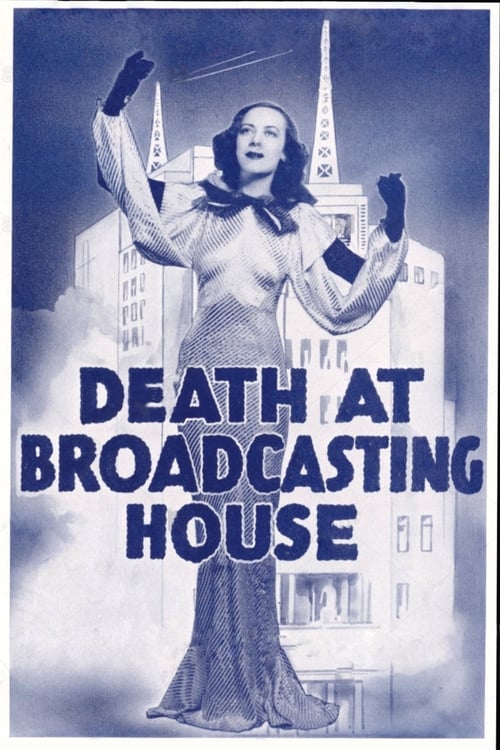
Death at Broadcasting House is a quintessential product of its era, functioning as a standard mystery that adheres strictly to the social and demographic hierarchies of 1930s Britain. The film prioritizes traditional storytelling clichés over any form of multi-layered complexity or identity-based disruption. The narrative structure relies on the homogeneous, institutional settings common to the Golden Age of detective fiction. This results in a cinematic experience that reinforces existing social norms rather than challenging them. Ultimately, the film serves as a period-typical example of the genre, characterized by a lack of diverse representation across gender, race, and identity.
Category Breakdown
The film does not include any LGBTQ+ characters or identities that go beyond the assumption that everyone is straight or cisgender. It follows typical whodunit conventions centered around heterosexual relationships.
Female characters likely play roles defined by domestic duties or emotional support. Investigative roles remain primarily reserved for male protagonists within this period-typical patriarchal structure.
The setting suggests a highly homogeneous cast with no indication of non-Anglo-Saxon characters. The narrative reinforces the era's tendency to depict Western institutions as culturally monolithic.
The story operates within traditional Western institutional stability and upholds the social order. There is no evidence of secularist prioritization or the deconstruction of social institutions.
There is no documented evidence of characters with visible or invisible disabilities. Such identities were rarely given real power in 1934 cinema and were often left out entirely.
Present on Screen
Limited or Absent
Official Synopsis
An actor is murdered live on air whilst a play is being broadcast. Everyone in the play and broadcasting house fall under suspicion.
1943

1946
1933
1954
1938

1940

1939
1933
No reviews yet. Be the first to share your thoughts on this movie!
Use the rating form above to leave a star rating and optional review.