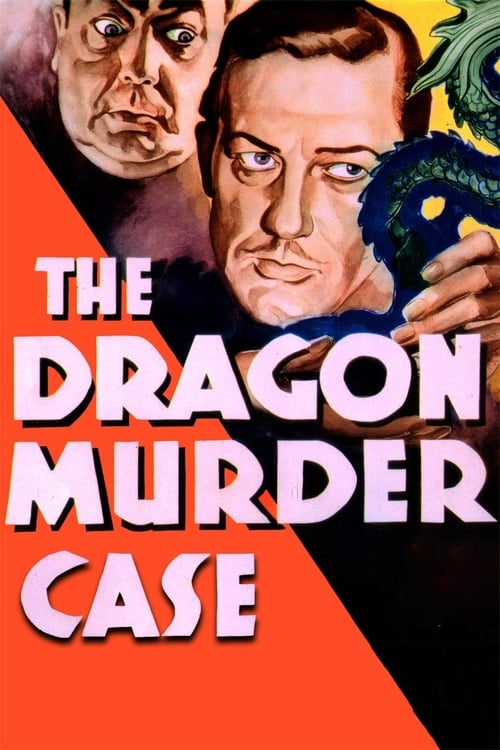
The Dragon Murder Case
1934
No user ratings available yet
Diversity score: 2.0 out of 10

1929
PGDirector
Nick Grindé, David Burton
Runtime
88 minutes
Average Rating
No ratings yetSynopsis
The murders start with the body of Robin. He is found with a arrow through the heart, but Vance deduces that the body was placed and not found where he was killed. The note found dealing with the murder was part of a nursery rhyme and signed by 'Bishop'. The only witness may have been Mrs. Drukker and Adolph, but they are not talking. As the murders progress, each one is accompanied by a nursery rhyme. It is up to Philo Vance to unravel the clues and unmask the identity of the murderer 'Bishop'.
Overall Score
Minimal
Category Breakdown
LGBTQ+ Representation
The film lacks any visible engagement with queer identities. It adheres to the conventional social structures of the early 20th century without non-heteronormative narratives.
Gender Representation
The narrative centers on Philo Vance, a male detective who drives the plot through intellectual dominance. Female characters like Mrs. Drukker remain peripheral witnesses within a standard gender hierarchy.
Racial & Ethnic Diversity
The film reflects the era's cinematic norms by prioritizing homogeneous, Anglo-Saxon casting. There is no indication of a diverse cast or characters with high agency from non-white backgrounds.
Religious & Cultural Diversity
This mystery follows a standard Western tradition that seeks to restore social order. It does not exhibit anti-religious or anti-institutional sentiment, maintaining a conventional moral structure.
Disability Representation
There is no information available regarding the depiction of physical or neurodivergent disabilities. No specific instances of disability are noted in the character descriptions or plot.
Strengths
Areas for Improvement
AI Analysis
The Bishop Murder Case is a period-typical mystery that functions within the traditional social and narrative structures of 1929. The film focuses on a procedural plot centered on detective work rather than the subversion of social hierarchies. Representation is limited by the era's cinematic norms, resulting in a homogeneous cast and a male-dominated investigative framework. The story prioritizes the restoration of order through a centralized protagonist, offering little room for diverse identity-based perspectives. Ultimately, the film serves as a standard genre piece of its time, lacking intentionality regarding intersectional representation or the deconstruction of Western institutions.
1934
1936
1929

1930
1932
1952
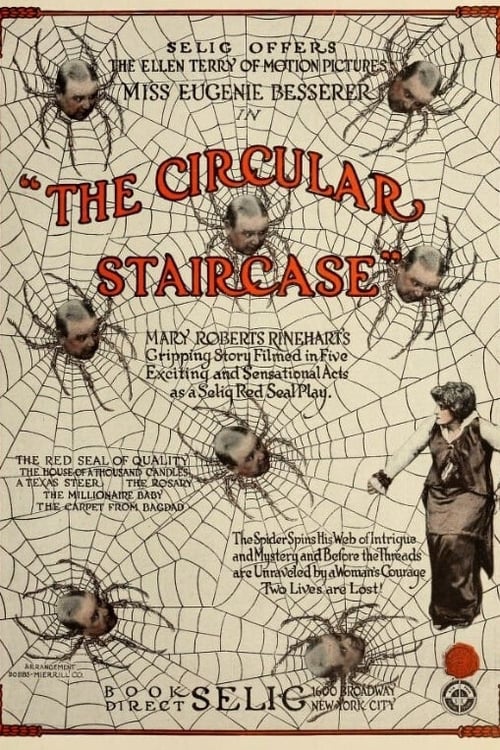
1915
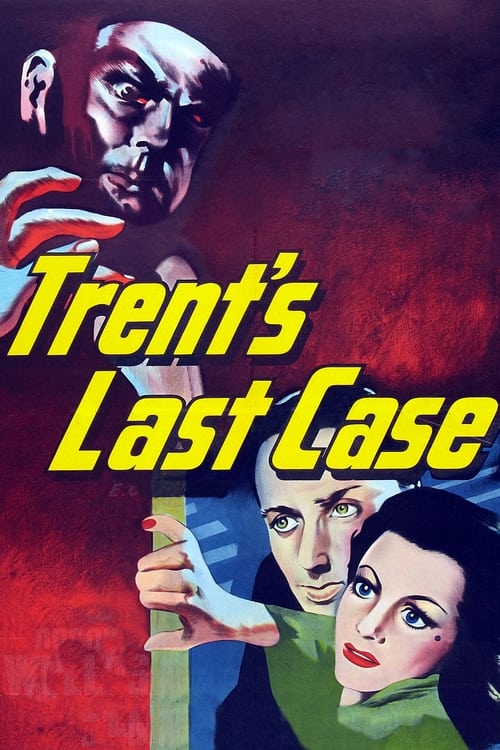
1952
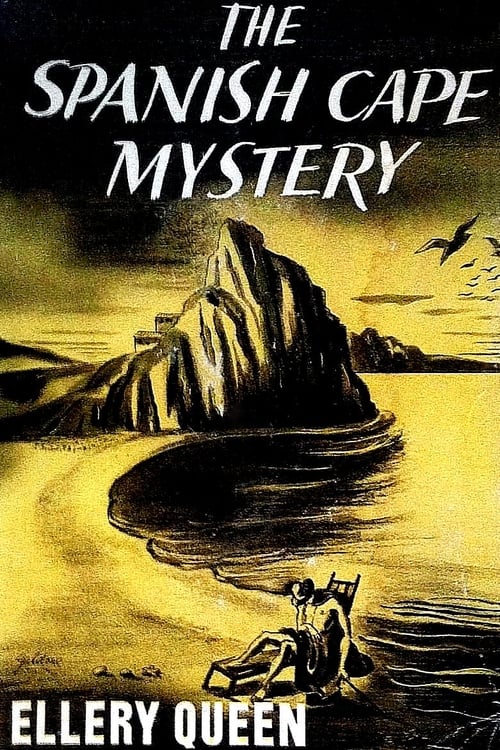
1935
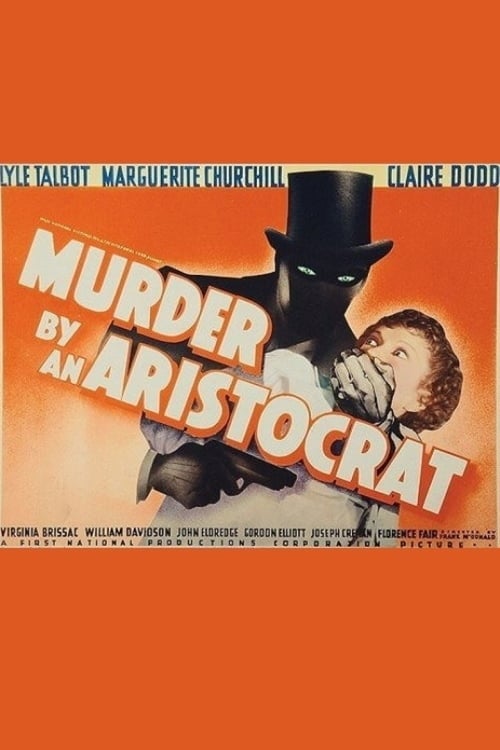
1936
1937
1937
No reviews yet. Be the first to share your thoughts on this movie!
Use the rating form above to leave a star rating and optional review.