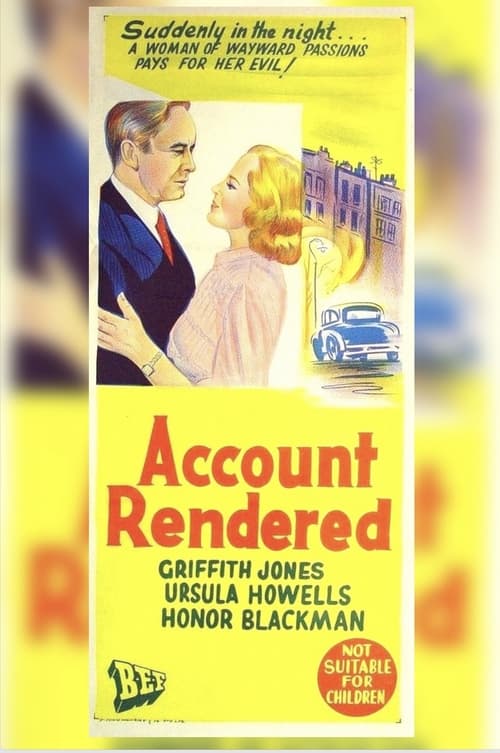
Account Rendered
1957
No user ratings available yet
Representation score: 1.9 out of 10
Representation Score
Minimal
1952
NRDirector
John Gilling
Runtime
83 minutes
Average Rating
No ratings yetNew Showbiz Analysis
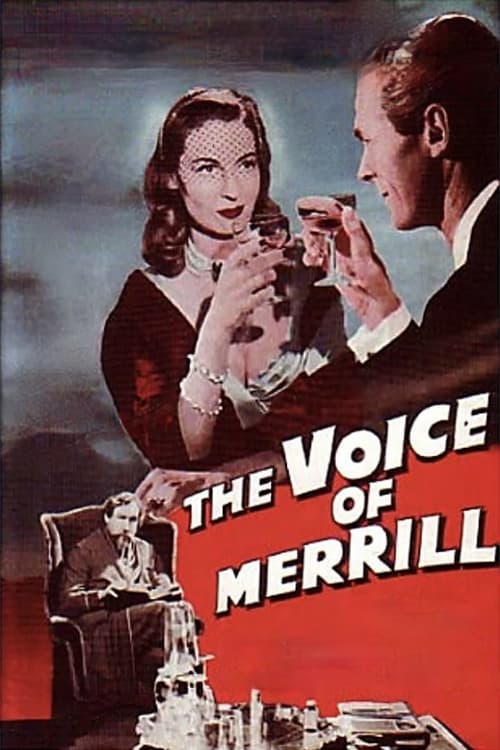
The Voice of Merrill is a conventional mid-century mystery that relies heavily on the genre clichés of its era. While it centers on a female victim, the narrative structure remains anchored in traditional power dynamics where male suspects drive the central tension. The film lacks intentional challenges to social hierarchies. It reflects the demographic and social norms of 1950s British cinema, focusing on crime, suspicion, and legal resolution without exploring diverse cultural or anti-institutional perspectives.
Category Breakdown
The film does not include any LGBTQ+ characters or stories, sticking to the assumption that everyone is straight or cisgender.
The central female character serves mainly as a catalyst for male conflict. The plot tension is driven by the interactions and legal scrutiny of three men.
The film likely reflects the homogeneous demographic norms of 1950s British mystery cinema. There is no evidence of non-white or multi-layered casting within the narrative.
The story operates within traditional Western legal and social institutions. It focuses on crime and state authority without challenging institutional norms.
There is no mention of characters with visible or invisible disabilities. No representation is present in the available narrative details.
Present on Screen
Limited or Absent
Official Synopsis
A convicted female blackmailer is found murdered in her flat and suspicion falls on three men, all of whom the police believe may have had reason to wish her dead
1957
1940

1952

1946

1957
1944

1945
1946
No reviews yet. Be the first to share your thoughts on this movie!
Use the rating form above to leave a star rating and optional review.