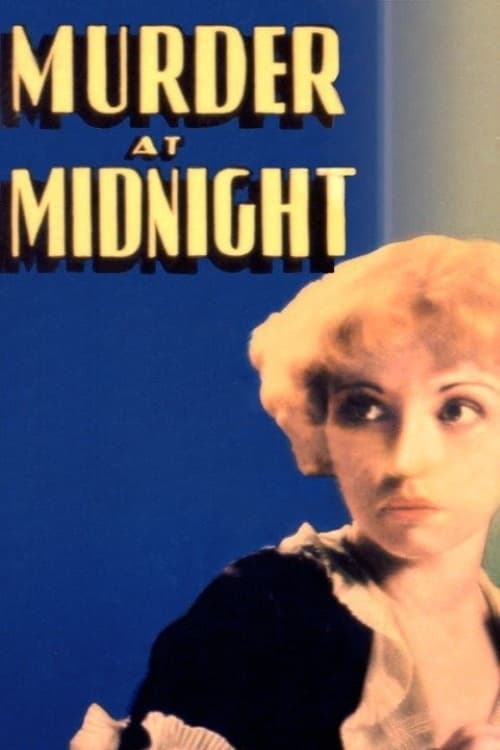
Murder at Midnight
1931
No user ratings available yet
Representation score: 1.6 out of 10

Representation Score
Limited
1936
ApprovedDirector
Frank R. Strayer
Runtime
64 minutes
Average Rating
No ratings yetNew Showbiz Analysis
Murder at Glen Athol is a classic example of 1930s Hollywood, focusing on genre mechanics rather than social complexity. The film relies on established archetypes, centering a male detective within a high-society setting to solve the mystery. Representation is minimal across all categories, reflecting the era's focus on Anglo-centric, straight-centered, and class-driven narratives. The film reinforces existing social hierarchies rather than challenging them. Ultimately, the work functions as a standard mystery procedural that mirrors the demographic and cultural norms of its time.
Category Breakdown
The film does not include any LGBTQ+ characters or representations of non-straight relationships. It follows the assumption that everyone is straight or cisgender, which was common in 1930s crime films.
A male detective serves as the main intellectual force and order-bringer. Female characters likely play traditional roles such as socialites or victims, rather than driving the plot forward.
The setting implies a homogeneous, Anglo-centric cast typical of pre-war Hollywood. There is no indication of meaningful ethnic diversity or actors from different backgrounds.
The story emphasizes traditional Western values and established social hierarchies. The focus remains on the importance of the private estate and restoring order.
There is no evidence of characters with visible or invisible disabilities. Roles for disabled characters were rarely given significant roles in this era's crime genre.
Present on Screen
Limited or Absent
Official Synopsis
A famous detective is invited to a swanky party at an elegant mansion, but before the night is over he finds himself involved with gangsters, blackmail and murde
1931
1941
1935
1945
1929
1939
1936
1942
No reviews yet. Be the first to share your thoughts on this movie!
Use the rating form above to leave a star rating and optional review.