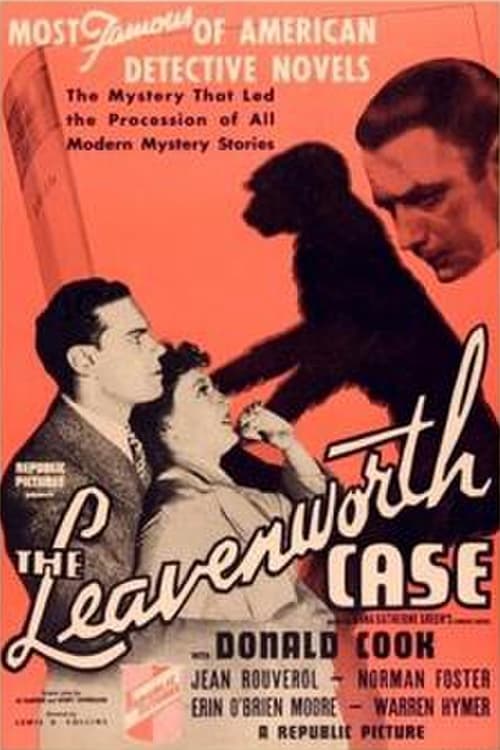
The Leavenworth Case
1936
No user ratings available yet
Diversity score: 1.7 out of 10
1952
NRDirector
Herbert Wilcox
Runtime
90 minutes
Average Rating
No ratings yetSynopsis
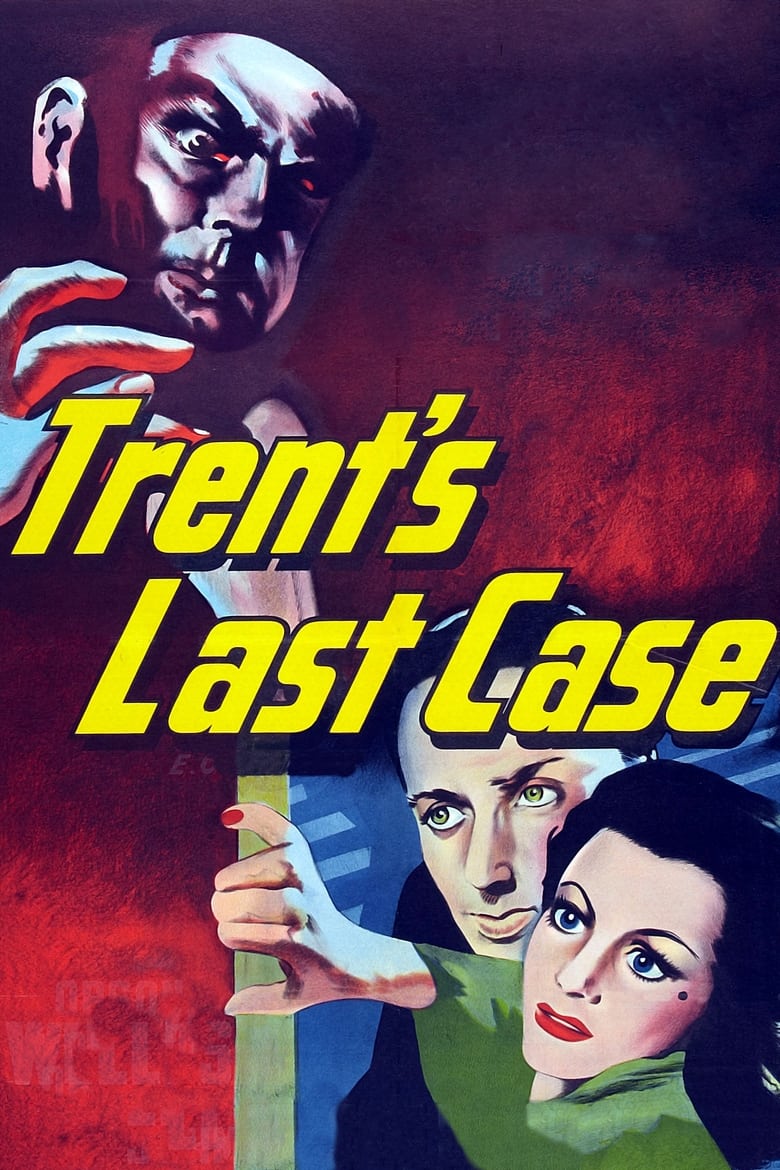
When a wealthy business man is found dead reporter Philip Trent is sent to investigate. Against the police conclusions, he suspects the assumed suicide is really a murder, and becomes highly interested in the young widow and the dead man's private secretary.
Overall Score
Minimal
Category Breakdown
LGBTQ+ Representation
The film operates within a strictly heteronormative framework. There is no evidence of non-cisnormative identities or same-sex intimacy, focusing instead on traditional social propriety.
Gender Representation
Agency is centered on the male protagonist, Philip Trent. Female characters, such as the young widow, remain largely reactive and tied to the emotional stakes of the mystery.
Racial & Ethnic Diversity
The production presents a highly homogeneous social environment. The cast reflects a traditional, Anglo-Saxon British upper-middle-class milieu with no visible racial blending.
Religious & Cultural Diversity
The narrative upholds traditional Western institutional values and class distinctions. It reinforces the stability of the social hierarchy rather than deconstructing Western institutions.
Disability Representation
There are no prominent depictions of visible or invisible disabilities. Characters are presented within standard genre archetypes of physical and mental health.
Strengths
Areas for Improvement
AI Analysis
Trent's Last Case is a quintessential mid-century mystery that prioritizes established social and moral certainties. The film adheres to the narrative conventions of 1950s British cinema, where character agency is closely tied to gender and class status. The production functions as a traditional detective procedural. It reinforces a world defined by class stability and conventional moral frameworks rather than disrupting them. Ultimately, the film lacks intersectional complexity. It provides a stable, traditionalist view of British society that relies heavily on period-specific social norms.
1936
1936
1929
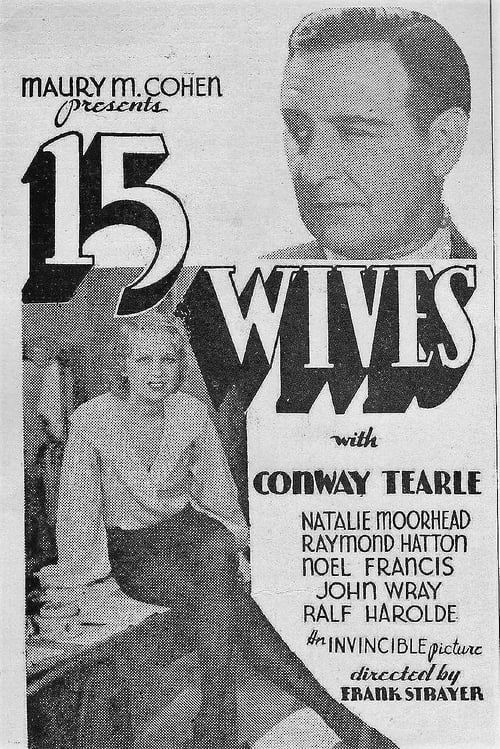
1934
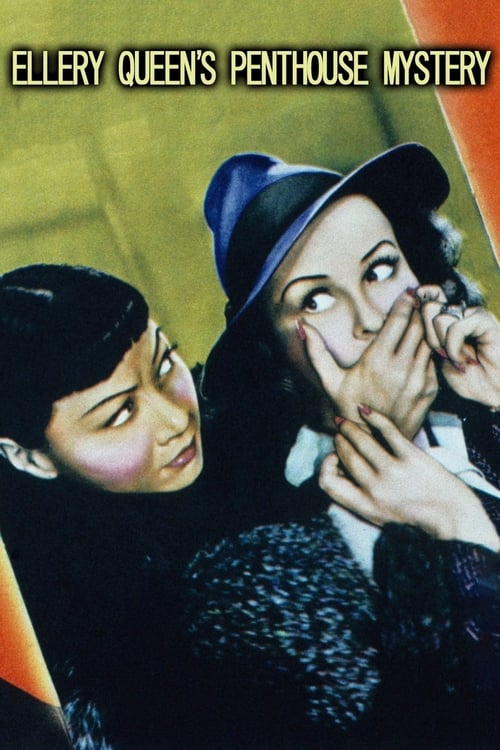
1941
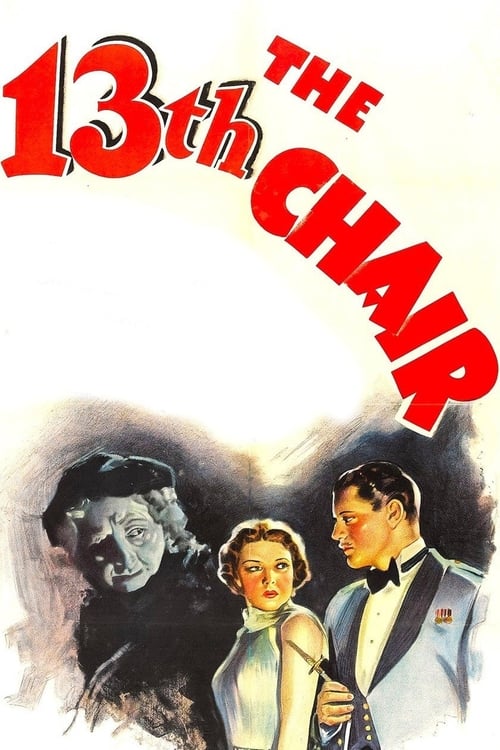
1937
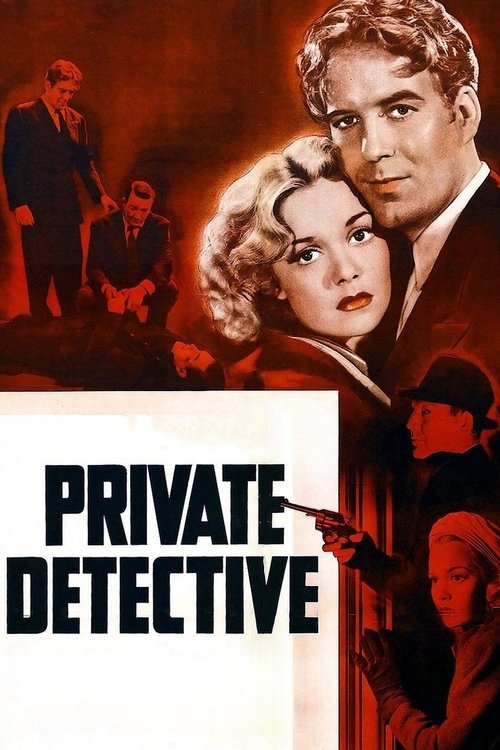
1939

1952

1949

1945

1955
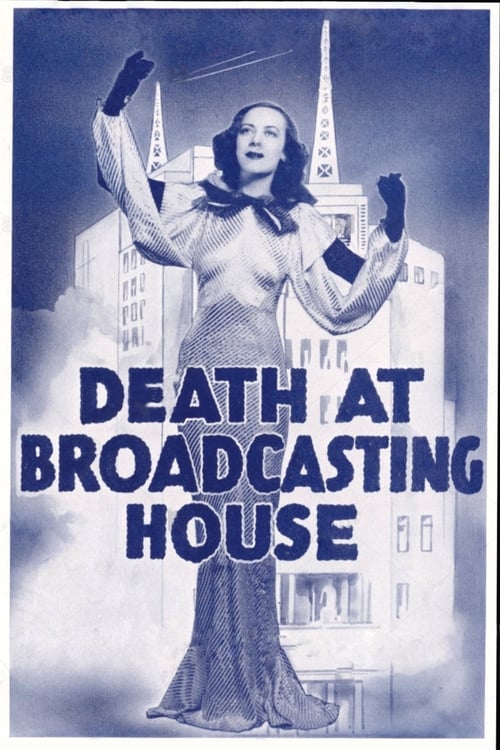
1934
No reviews yet. Be the first to share your thoughts on this movie!
Use the rating form above to leave a star rating and optional review.