
Mystery Liner
1934
No user ratings available yet
Diversity score: 2.0 out of 10

1935
ApprovedDirector
Lewis D. Collins
Runtime
74 minutes
Average Rating
No ratings yetSynopsis
Ellery Queen's vacation is interrupted when murder strikes next door to his oceanside cabin.
Overall Score
Limited
Category Breakdown
LGBTQ+ Representation
The film adheres to the heteronormative standards typical of 1935 cinema. There is no evidence of non-cisnormative identities or same-sex intimacy within the narrative.
Gender Representation
The story centers on the intellectual agency of Ellery Queen. Female characters likely occupy secondary roles, serving as domestic anchors or damsels rather than driving the plot.
Racial & Ethnic Diversity
The setting may suggest a specific culture, but it likely serves as an aesthetic backdrop. The cast reflects the homogeneous demographic norms of the era.
Religious & Cultural Diversity
The narrative operates within a traditional Western framework. It reinforces the efficacy of established legal and investigative structures rather than critiquing them.
Disability Representation
There is no evidence of nuanced portrayals of neurodivergence or physical disability. If present, such traits likely function as mere plot devices or eccentricities.
Strengths
Areas for Improvement
AI Analysis
The film is a product of the 1930s studio system, prioritizing Golden Age mystery conventions over social subversion. It functions as a standard genre piece that upholds the status quo of its era. Representation is limited by the historical period, with a heavy focus on a singular male protagonist. The narrative architecture reinforces traditional social hierarchies and Western institutional stability. Ultimately, the work lacks intersectional casting or diverse agency, reflecting the demographic homogeneity common to mid-1930s thrillers.
1934

1936

1941

1936
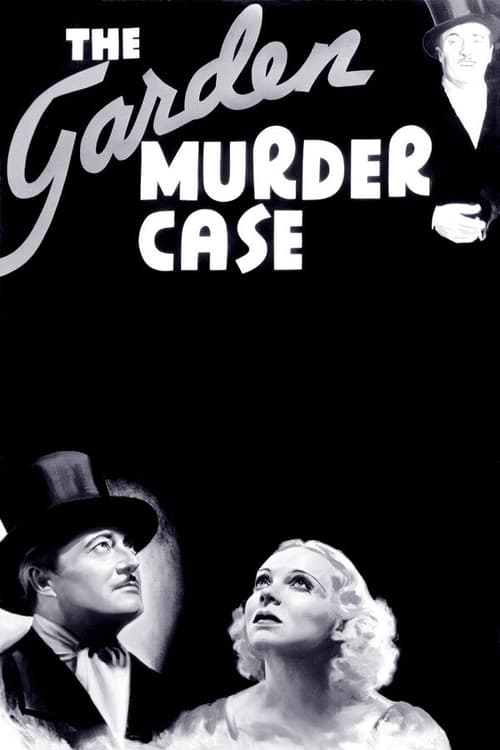
1936
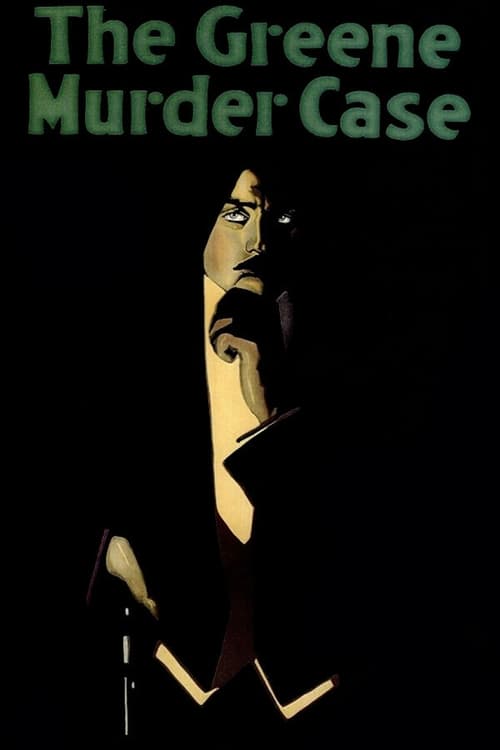
1929
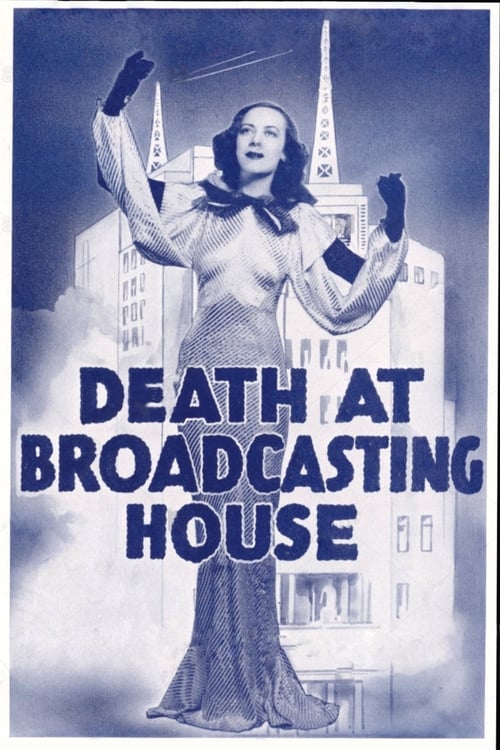
1934

1935

1934
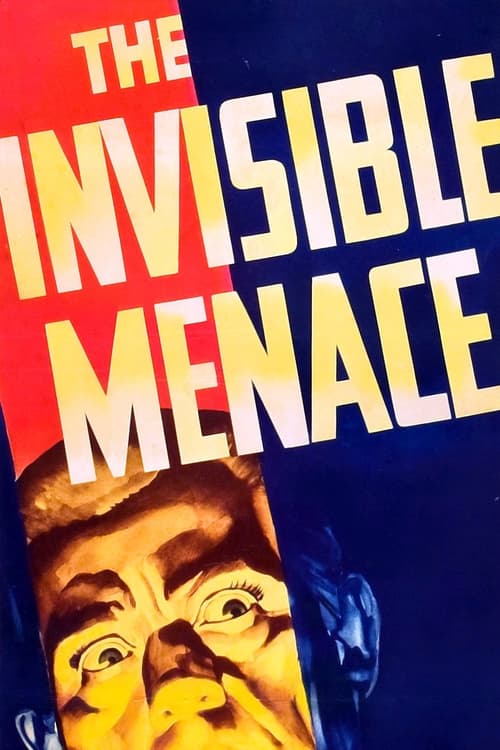
1938
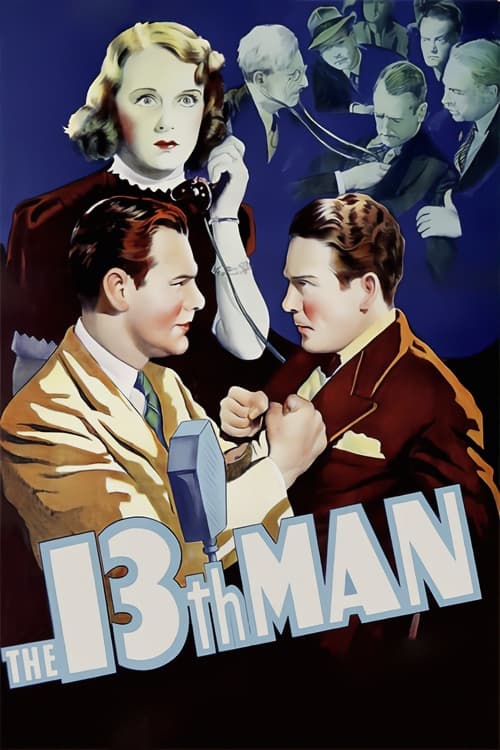
1937

1945
No reviews yet. Be the first to share your thoughts on this movie!
Use the rating form above to leave a star rating and optional review.