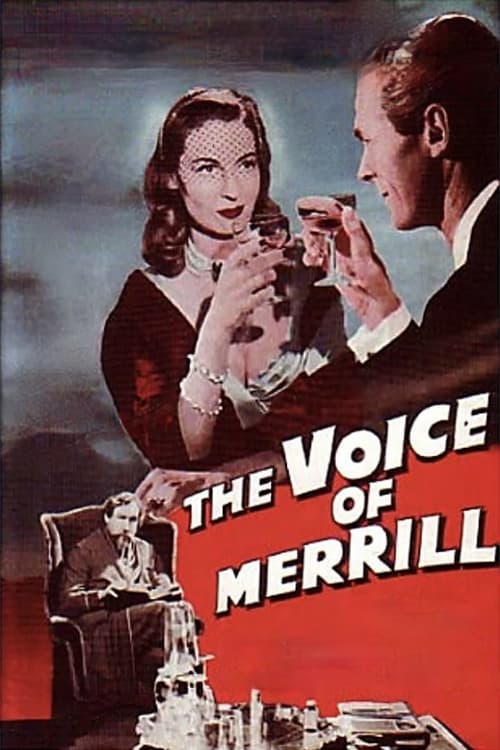
The Voice of Merrill
1952
No user ratings available yet
Diversity score: 2.8 out of 10
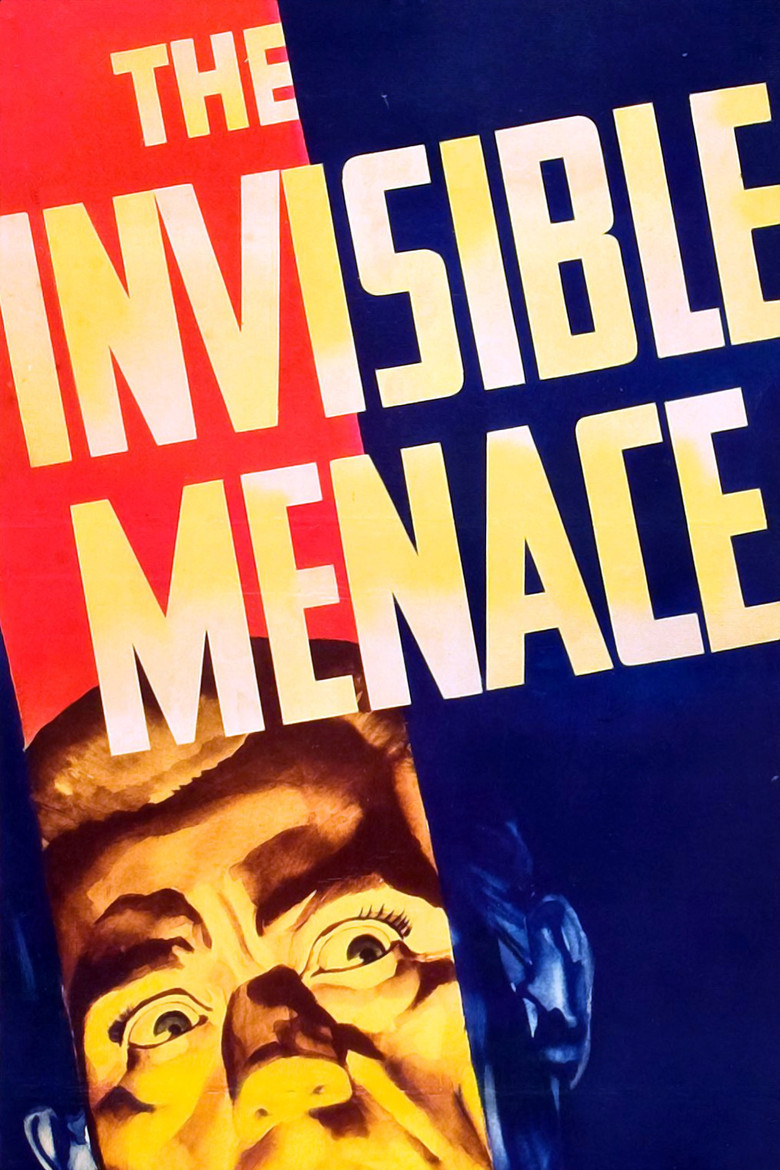
1938
NRDirector
John Farrow
Runtime
55 minutes
Average Rating
No ratings yetSynopsis
Army Private Eddie Pratt smuggles his new bride into camp in hopes of having a happy wedding night. Instead they discover a murder. Colonel Rogers of Army Intelligence arrives to take over the case. The prime suspect, Jevries, is well-known to Rogers, who sets out to get a confession from Jevries even though there are plenty of other suspects.
Overall Score
Limited
Category Breakdown
LGBTQ+ Representation
The film focuses on a traditional romantic pairing between Private Eddie Pratt and his bride. There is no evidence of non-cisnormative identities or critiques of heteronormativity.
Gender Representation
Authority and agency are concentrated in male characters like Colonel Rogers. While a bride is present, she serves as a catalyst for the male protagonist rather than an independent agent.
Racial & Ethnic Diversity
The mystery unfolds within a conventional, homogeneous ensemble typical of 1930s crime thrillers. There is no indication of diverse casting or intentional disruption of historical norms.
Religious & Cultural Diversity
Set within the U.S. Army, the story reinforces institutional stability and patriotism. It follows a traditional procedural structure that upholds the sanctity of military order.
Disability Representation
The narrative provides no information regarding characters with physical, sensory, or neurodivergent disabilities.
Strengths
Areas for Improvement
AI Analysis
The Invisible Menace is a product of the 1938 studio system, adhering strictly to the genre conventions of the era. The narrative architecture prioritizes established institutional hierarchies and conventional social roles, offering very little disruption to the status quo. Power is concentrated within male-dominated spheres, specifically the military hierarchy and the investigative process. Female presence is limited to traditional roles that support the male journey rather than driving the plot through independent agency. Culturally, the film functions as a standard procedural that reinforces patriotism and the stability of the U.S. Army. It lacks diverse representation or any subversion of the period's social norms.
1952
1946
1952
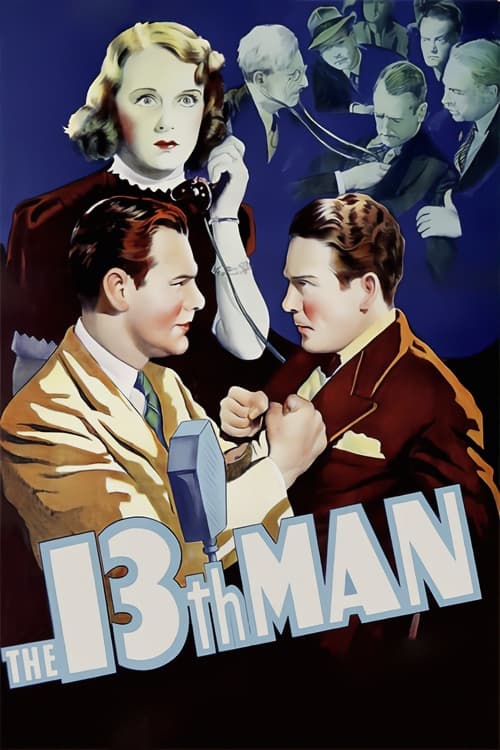
1937
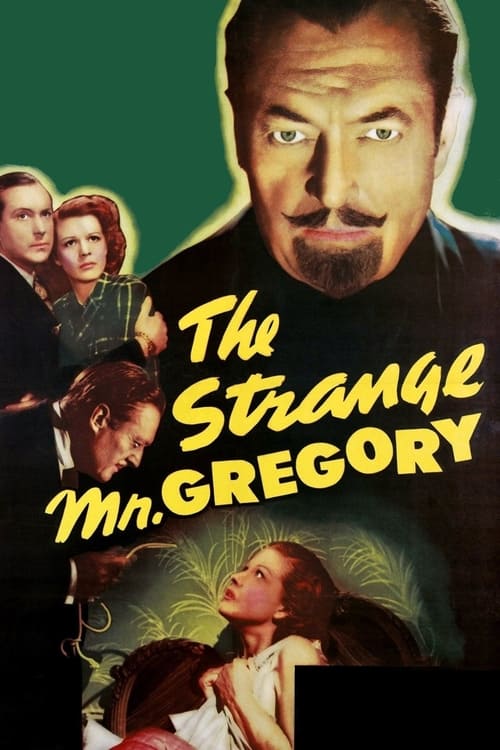
1945
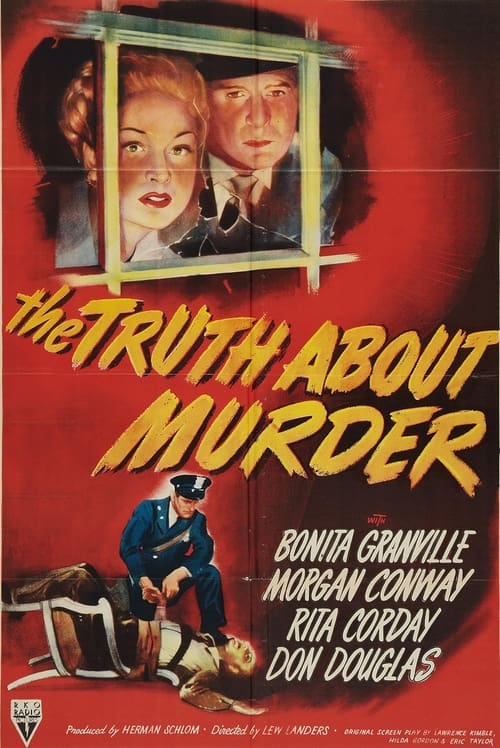
1946

1945

1934
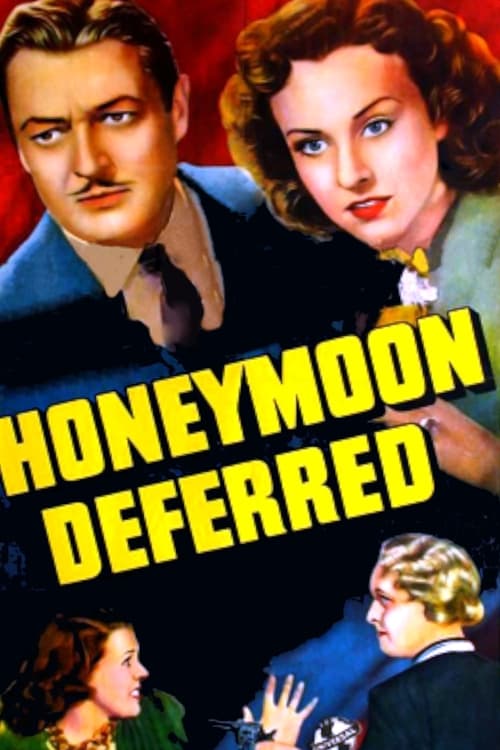
1940
1935
1944
1936
No reviews yet. Be the first to share your thoughts on this movie!
Use the rating form above to leave a star rating and optional review.