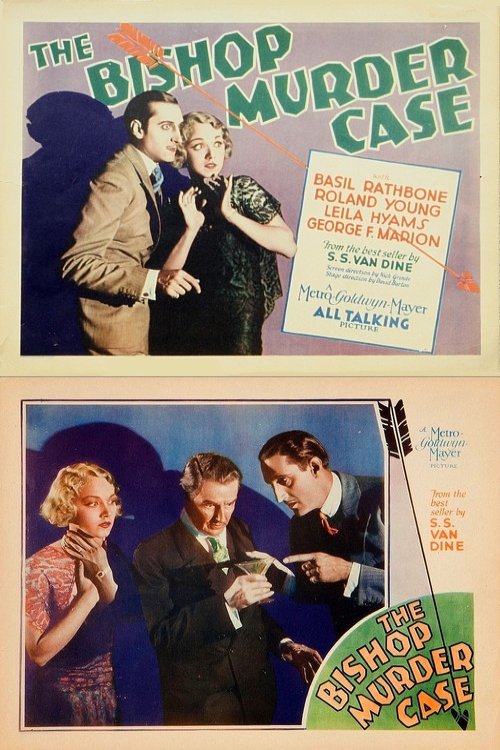
The Bishop Murder Case
1929
No user ratings available yet
Diversity score: 1.8 out of 10
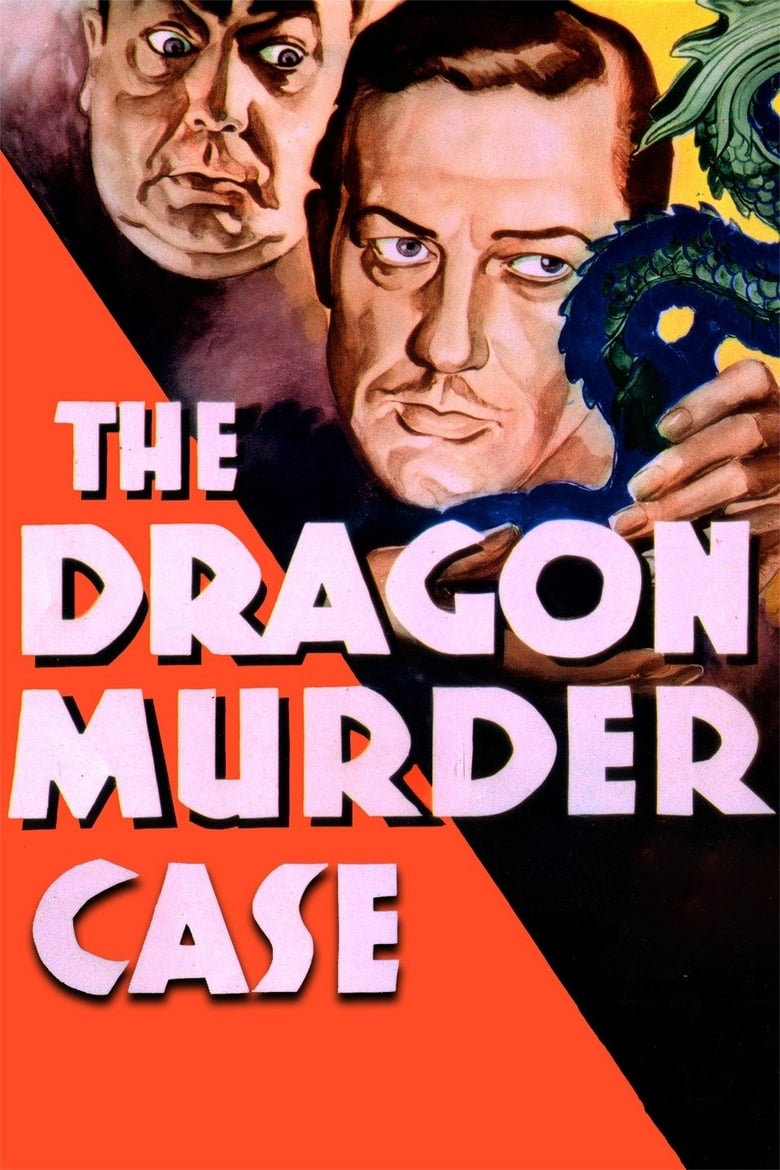
1934
NRDirector
H. Bruce Humberstone
Runtime
67 minutes
Average Rating
No ratings yetSynopsis
Wonderful idea to give a party with people who dislike each other. Late at night, everyone decides to go into the pool, except Stamm, who is drunk. Montague dives in as does Greeff and Leland, but only Greeff and Leland come out. Montague is no where to be found so Leland suspects foul play and calls the cops. Luckily, Philo is with the D.A. and comes along, but they do not find Montague. When they drain the pool the next day, they find nothing except what looks like dragon prints. Philo has his suspicions and tries to piece the clues together to find out what has happened.
Overall Score
Limited
Category Breakdown
LGBTQ+ Representation
The film adheres to the heteronormative social structures typical of 1930s studio productions. There is no evidence of non-cisnormative gender identities or same-sex intimacy.
Gender Representation
Plot agency is concentrated in male investigators and suspects like Philo and the D.A. While women appear at the social gathering, they do not drive the mystery.
Racial & Ethnic Diversity
The narrative describes a homogeneous social group of individuals including Stamm, Montague, and Greeff. There is no indication of racial or ethnic diversity within the cast.
Religious & Cultural Diversity
The story follows conventional investigative tropes rather than challenging established social orders. It prioritizes crime resolution over any critique of Western institutions or religion.
Disability Representation
The film contains no evidence of characters with visible or invisible disabilities. Disability is not utilized as a narrative device in this mystery.
Strengths
Areas for Improvement
AI Analysis
The Dragon Murder Case is a conventional 1930s mystery that mirrors the restrictive social norms of its era. The narrative focuses on a standard investigative structure, prioritizing the puzzle of a disappearance over any meaningful social commentary. Representation is highly limited, with the plot driven almost exclusively by male characters. The social setting appears homogeneous, lacking racial, ethnic, or LGBTQ+ diversity, which aligns with the era's typical studio production standards. Ultimately, the film functions as a genre piece that reinforces traditional hierarchies rather than disrupting them. It lacks intersectional depth or any significant presence of marginalized groups.
1929
1936
1929
1945

1936
1937

1934
1952
1952

1935
1938
1935
No reviews yet. Be the first to share your thoughts on this movie!
Use the rating form above to leave a star rating and optional review.