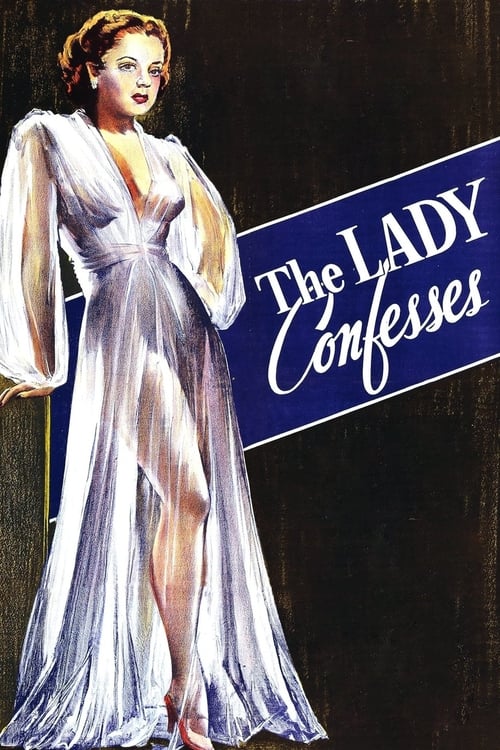
The Lady Confesses
1945
No user ratings available yet
Diversity score: 2.6 out of 10
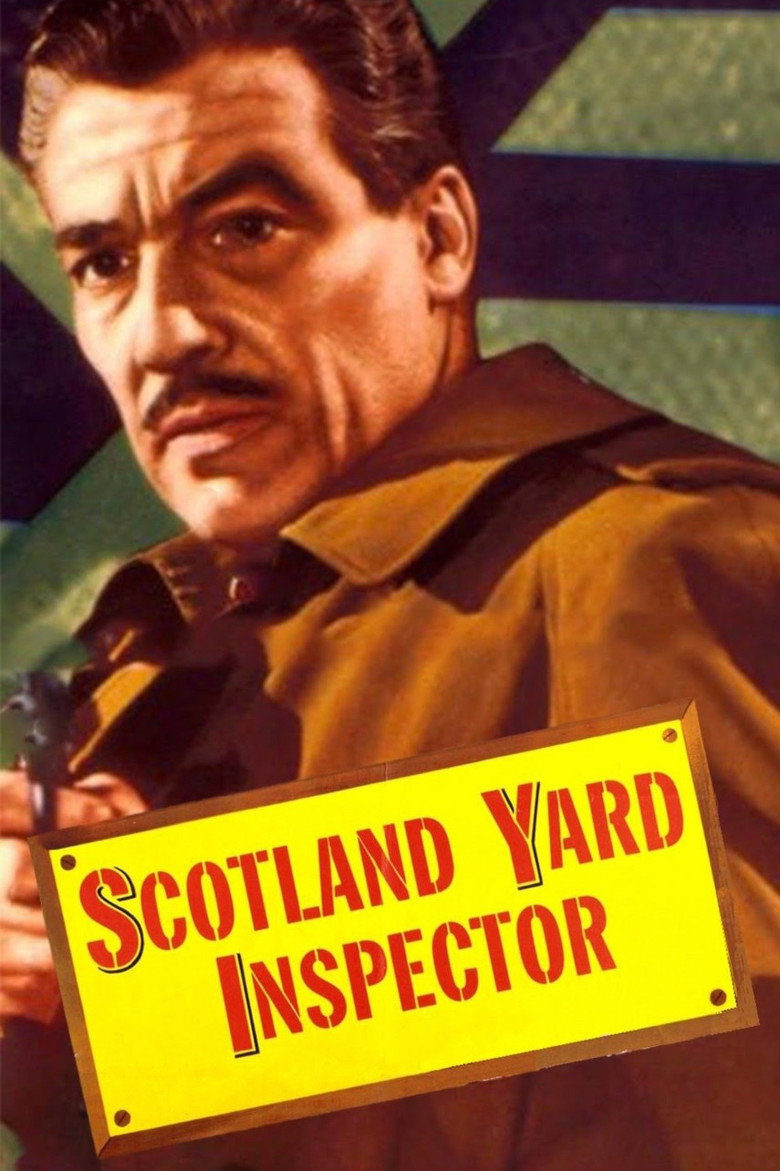
1952
NRDirector
Sam Newfield
Runtime
77 minutes
Average Rating
No ratings yetSynopsis
In this murder mystery, a woman's brother is killed in a freak accident, or so she believes. Fortunately for her, an American journalist is more suspicious and so begins roaming the London streets in search of the killer.
Overall Score
Minimal
Category Breakdown
LGBTQ+ Representation
The film follows a traditional mystery structure without any evidence of queer narratives. It adheres strictly to the heteronormative social frameworks common in 1950s cinema.
Gender Representation
While a woman drives the emotional catalyst through familial grief, the investigative agency belongs to a male journalist. This reinforces a hierarchy where men act and women react.
Racial & Ethnic Diversity
Set in 1950s London, the film appears to feature a predominantly white, Anglo-Saxon cast. The narrative lacks significant intersectional breadth or evidence of a diverse ensemble.
Religious & Cultural Diversity
The story operates within standard mid-century Western mystery conventions. It reinforces traditional legal and moral frameworks rather than deconstructing Western social institutions.
Disability Representation
There is no mention of characters possessing visible or invisible disabilities. No information is available regarding the portrayal of neurodivergence or physical impairment.
Strengths
Areas for Improvement
AI Analysis
Lady in the Fog is a product of its era, prioritizing efficient genre tropes over social subversion. The narrative architecture relies on established mid-century conventions, resulting in a homogeneous social landscape. The film's structure reinforces traditional hierarchies. While the female protagonist provides the emotional impetus, the intellectual heavy lifting is reserved for the male lead, a common trope of the period. Ultimately, the film offers minimal disruption to the status quo. It presents a localized, Anglo-centric mystery that lacks significant racial, cultural, or queer diversity.
1945
1945
1949
1937
1954
1936
1963
1952
1941

1945
1935
1939
No reviews yet. Be the first to share your thoughts on this movie!
Use the rating form above to leave a star rating and optional review.