The Garden Murder Case
1936
No user ratings available yet
Diversity score: 1.4 out of 10
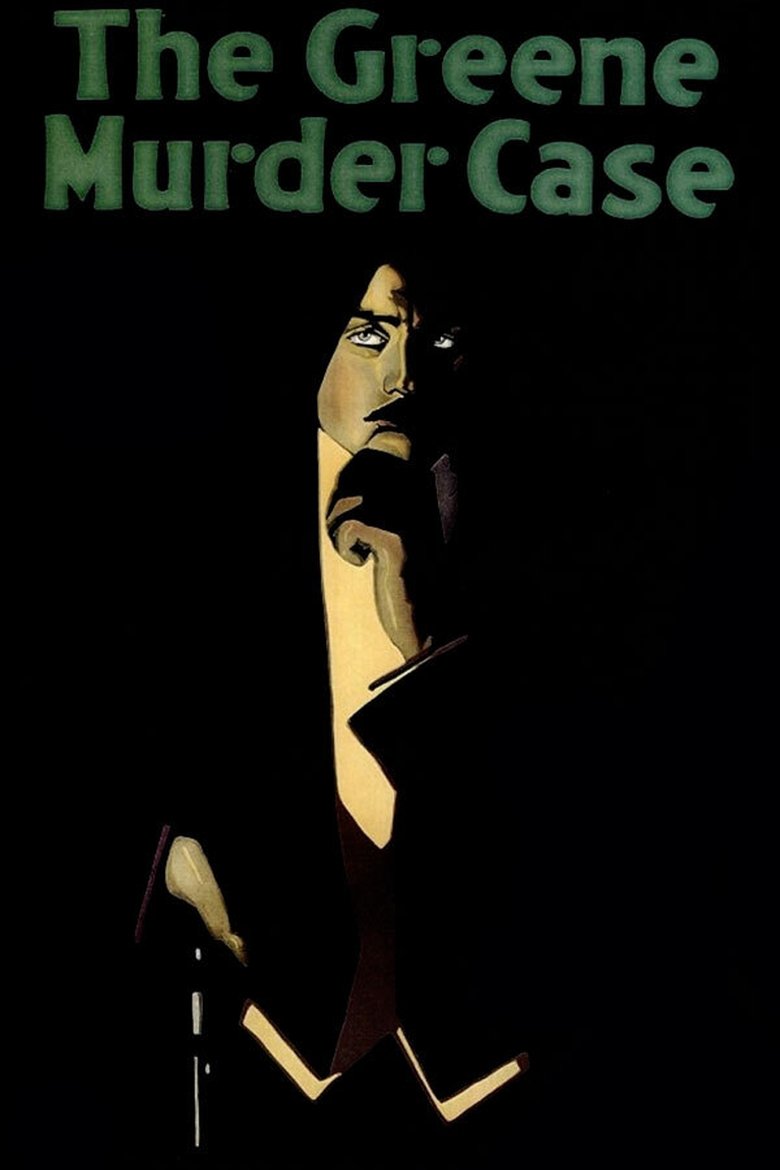
1929
PassedDirector
Frank Tuttle
Runtime
69 minutes
Average Rating
No ratings yetSynopsis
Philo Vance investigates when a murderer preys upon members of a wealthy family on New York's Upper East Side.
Overall Score
Minimal
Category Breakdown
LGBTQ+ Representation
The film contains no discernible presence of non-cisnormative identities or same-sex intimacy. There is no evidence of characters or subtext that challenge heteronormative structures.
Gender Representation
Female characters are largely confined to domestic and social spheres, acting primarily as socialites or suspects. Agency is concentrated in the male detective, Philo Vance, reinforcing traditional gender hierarchies.
Racial & Ethnic Diversity
The setting depicts a homogeneous social environment focused on the wealthy elite. The cast reflects a predominantly Anglo-Saxon social structure without significant racial integration or deviation.
Religious & Cultural Diversity
The narrative centers on preserving order through legal and investigative processes. It explores the internal dynamics of a wealthy family, reinforcing the socioeconomic status quo of the era.
Disability Representation
There is no evidence of characters with visible or invisible disabilities being portrayed with agency. Disability is not utilized as a central narrative element or character development tool.
Strengths
Areas for Improvement
AI Analysis
The Greene Murder Case functions as a traditional whodunit that prioritizes genre conventions over social disruption. The film's narrative architecture reinforces the existing hierarchies of gender, race, and socioeconomic status prevalent in the late 1920s. By focusing on the wealthy elite of New York's Upper East Side, the production presents a homogeneous social environment. It adheres to the standard industrial practices of early sound-era Hollywood, offering a portrait of high society that aligns with period norms. Ultimately, the film serves to uphold established social and institutional frameworks. It lacks intentional diversity or any attempt to critique the Western institutions and class structures it depicts.
1936
1930
1929
1932
1936
1937
1952
1944
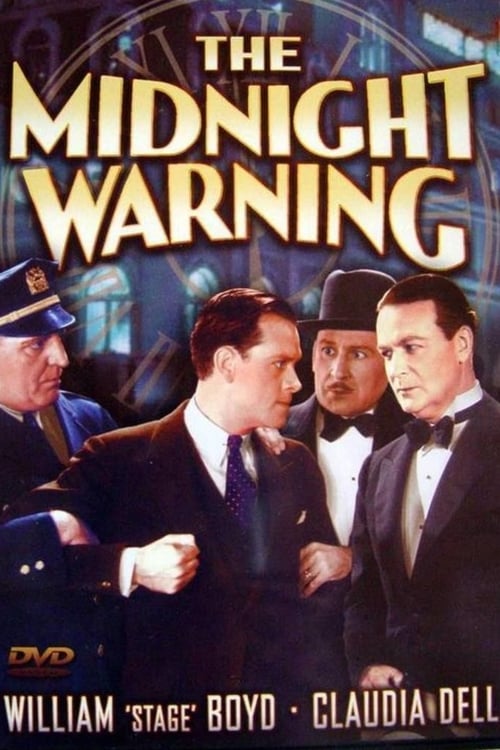
1932

1936
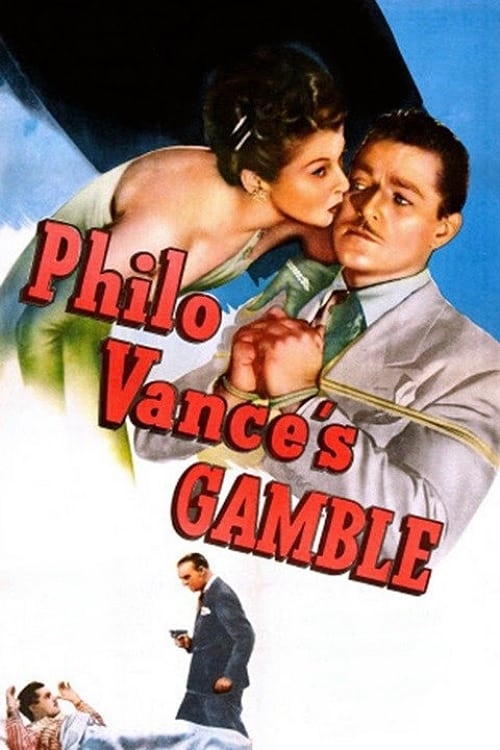
1947
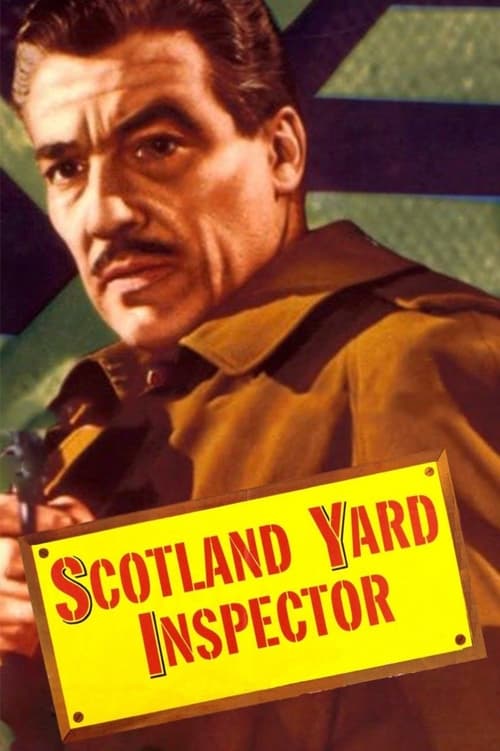
1952
No reviews yet. Be the first to share your thoughts on this movie!
Use the rating form above to leave a star rating and optional review.