The Law Rides Again
1943
No user ratings available yet
Representation score: 1.3 out of 10
Representation Score
Minimal
1950
ApprovedDirector
Lewis D. Collins
Runtime
57 minutes
Average Rating
No ratings yetNew Showbiz Analysis
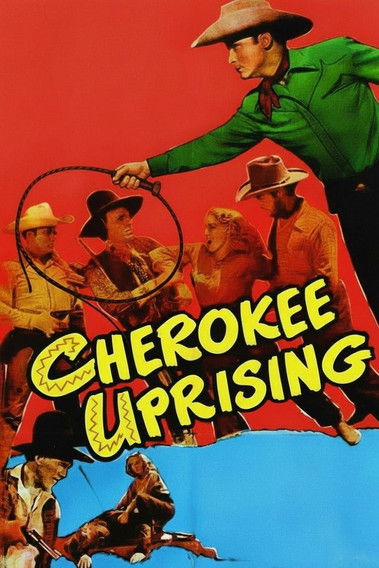
Cherokee Uprising adheres closely to the social hierarchies and power dynamics of 1950s Westerns. The film prioritizes the defense of settler-colonial structures and reinforces established power dynamics through a rigid narrative structure. While Native American characters are prominently featured, they are used primarily to facilitate genre-driven conflict rather than explore nuanced ethnic identity. The story lacks any intention to disrupt conventional expectations of identity or ability to act, operating as a quintessential product of its era without offering moral relativism or cultural critique.
Category Breakdown
The film does not include any representation of LGBTQ+ identities or non-straight relationships. Character interactions follow traditional heterosexual norms.
The story centers around male characters, emphasizing their roles and ability to act while sidelining female characters. Traditional gender roles are reinforced without challenging them.
The film features a significant presence of Native American characters, particularly through Iron Eyes Cody. However, the portrayal of indigenous conflict is driven by external manipulation rather than internal ability to act.
The story upholds the authority of the law and the protection of wagon trains, reinforcing traditional Western institutional values and settler-colonial expansion.
There are no characters with disabilities in the film, nor are there any representations of individuals utilizing disability as a narrative device.
Present on Screen
Limited or Absent
Official Synopsis
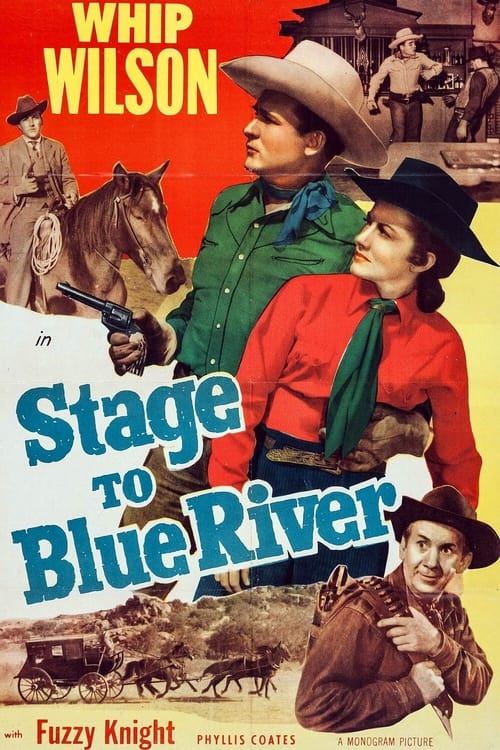
The title insurrection in this low-budget Whip Wilson Western consists mainly of Iron Eyes Cody, who is conspiring to raid the wagon trains with crooked sheriff Marshall Reed and nefarious Indian agent Forrest Taylor.
1943
1964
1950
1965
1951
1951
1948
1950
No reviews yet. Be the first to share your thoughts on this movie!
Use the rating form above to leave a star rating and optional review.