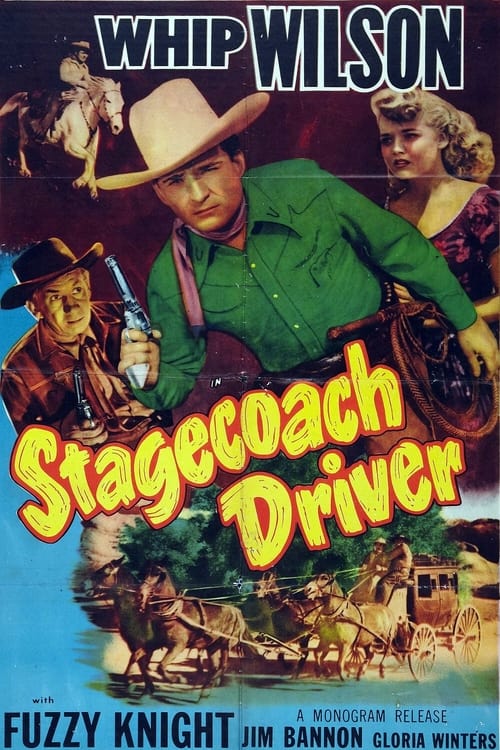
Stagecoach Driver
1951
No user ratings available yet
Representation score: 1.3 out of 10
Representation Score
Minimal
1951
PassedDirector
Lewis D. Collins
Runtime
56 minutes
Average Rating
No ratings yetNew Showbiz Analysis
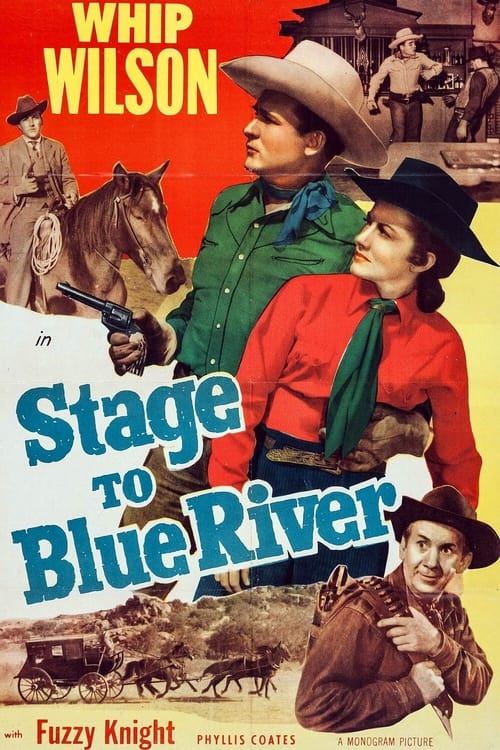
Stage to Blue River is a typical mid-century Western that closely follows the genre conventions of 1951. The narrative focuses on a lone male hero protecting a stagecoach line from bandits, reinforcing traditional masculine archetypes. The film operates within a framework of clear moral binaries and strict social hierarchies. It does not explore the overlapping aspects of identity or disrupt the era's established power dynamics. Ultimately, the film serves as a conventional genre piece that prioritizes frontier clichés and the preservation of traditional Western institutions over diverse representation.
Category Breakdown
The film follows a traditional storyline focused on banditry and does not include any characters with non-straight or non-cisgender identities. It also does not critique the assumption that everyone is straight or cisgender.
The film centers around Whip Wilson, the sole male protagonist who drives the narrative forward. Female characters likely play secondary or domestic roles typical of 1950s Westerns.
The film reflects the era's limited representation of different races and ethnicities. It lacks characters of color who have significant roles or diverse casting.
The story centers on protecting Western commerce and upholding traditional institutions. It aligns with the values of law, order, and established social structures.
There is no evidence of characters with visible or invisible disabilities being shown as having significant control over their lives in this production.
Present on Screen
Limited or Absent
Official Synopsis
Whip Wilson has to stop bandits who are trying to take over a stage line.
1951
1939
1951

1939
1952
1969

1937
1945
No reviews yet. Be the first to share your thoughts on this movie!
Use the rating form above to leave a star rating and optional review.