Bullet for a Badman
1964
No user ratings available yet
Diversity score: 2.0 out of 10
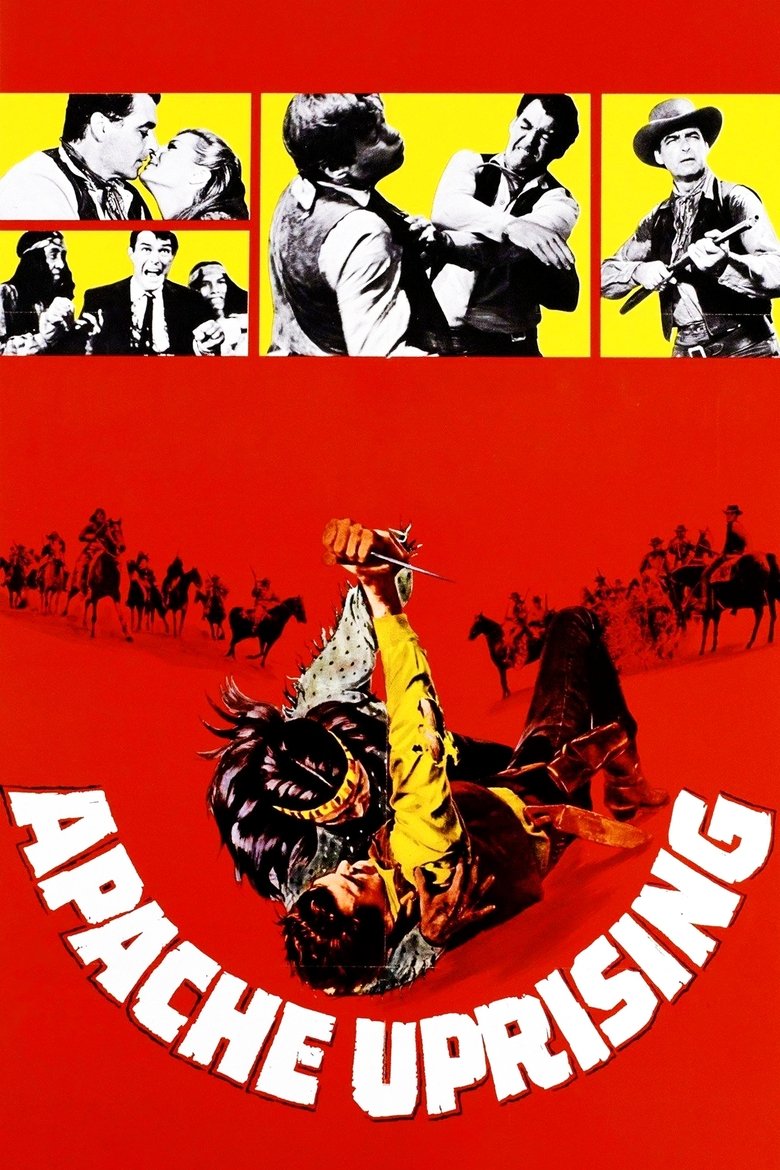
1965
NRDirector
R.G. Springsteen
Runtime
90 minutes
Average Rating
No ratings yetSynopsis
Various stage coach passengers and outlaws travelling through Indian country are forced to join forces against the Apaches.
Overall Score
Minimal
Category Breakdown
LGBTQ+ Representation
The film contains no discernible presence of non-heteronormative identities. There is no evidence of same-sex intimacy or narratives that challenge the social norms of the mid-century era.
Gender Representation
Narrative agency is concentrated almost exclusively in male soldiers and frontiersmen. Women are relegated to secondary, domestic roles, acting as passive elements rather than active participants in the conflict.
Racial & Ethnic Diversity
The Apache are framed primarily as an antagonistic force and an external threat to civilization. The cast is predominantly white, reinforcing colonial power dynamics through a traditionalist Western lens.
Religious & Cultural Diversity
The story celebrates traditional Western institutions like the cavalry and frontier settlement. It promotes the preservation of settler-colonial structures without offering any critique of expansion or authority.
Disability Representation
There is no evidence of visible or invisible disabilities integrated into character arcs. The focus remains strictly on physical prowess and combat readiness.
Strengths
Areas for Improvement
AI Analysis
Apache Uprising is a quintessential product of the mid-1960s studio system, prioritizing established genre tropes over cultural subversion. The film functions to uphold existing social and territorial hierarchies through a traditionalist narrative architecture. By relying on archetypes like the heroic settler and the antagonistic outsider, the film lacks intersectional depth. It reinforces the conventional social structures of its era rather than disrupting them. Ultimately, the film serves as a validation of settler claims to territory, utilizing a framework that positions Indigenous people as obstacles to be overcome by established authority.
1964
1955
1964
1950

1952
1953
1961
1940
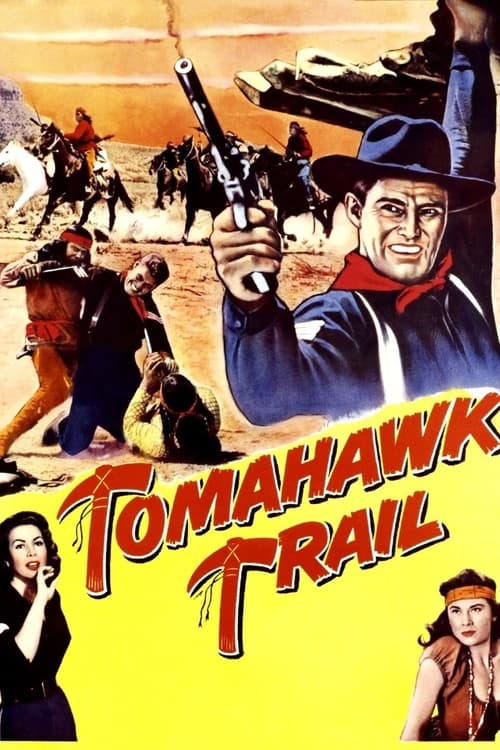
1957
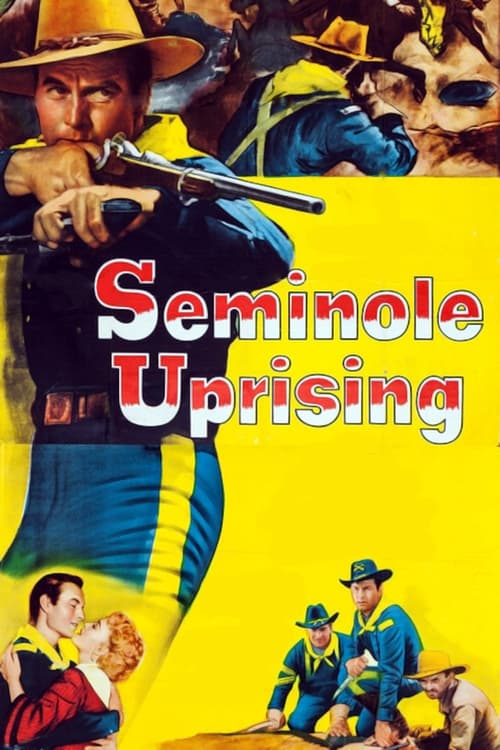
1955
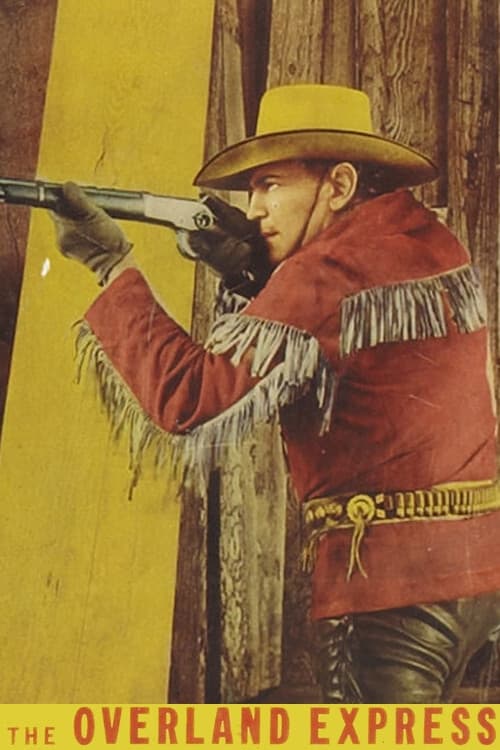
1938
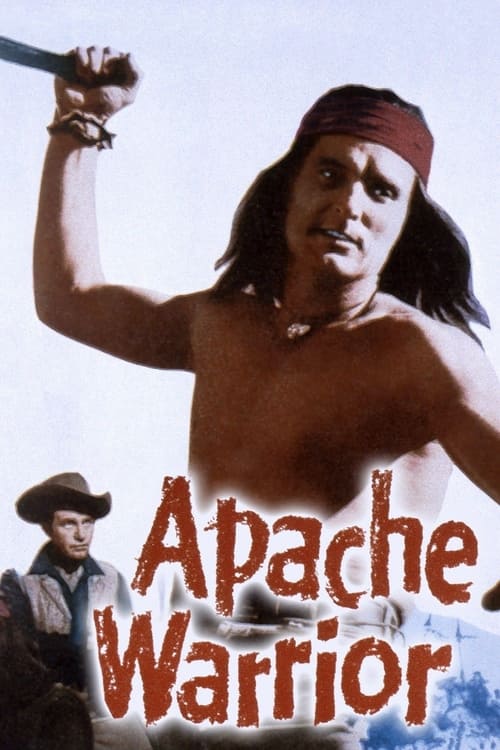
1957
No reviews yet. Be the first to share your thoughts on this movie!
Use the rating form above to leave a star rating and optional review.