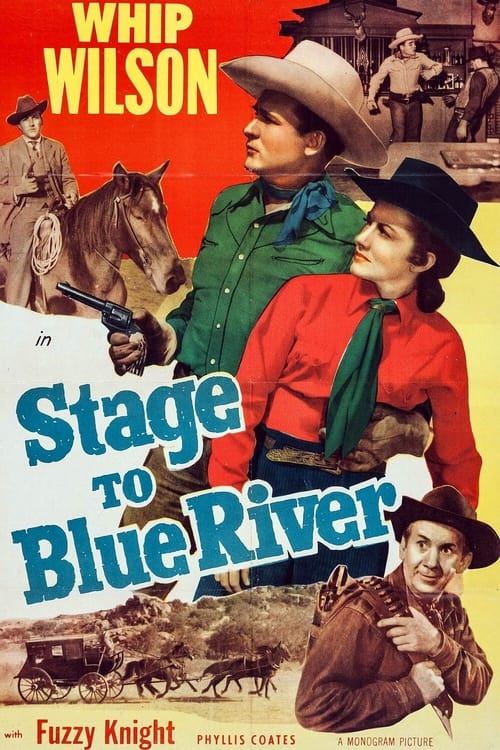
Stage to Blue River
1951
No user ratings available yet
Representation score: 0.4 out of 10
Representation Score
Minimal
1951
PassedDirector
Lewis D. Collins
Runtime
54 minutes
Average Rating
No ratings yetNew Showbiz Analysis
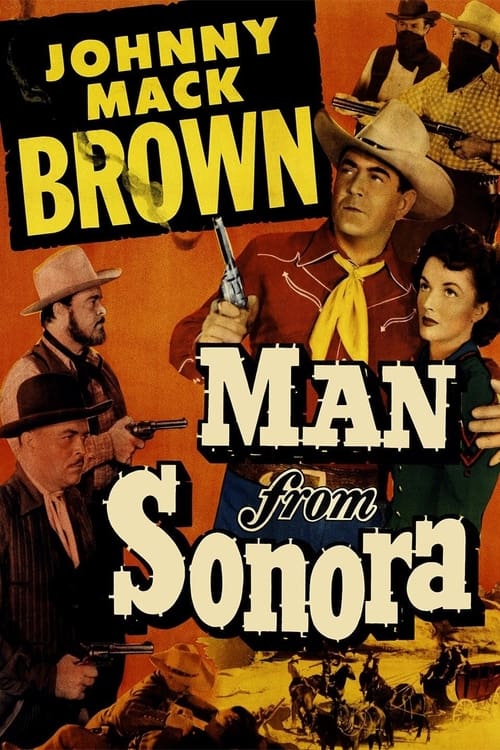
Man from Sonora is a quintessential B-Western that prioritizes formulaic storytelling over social complexity. The narrative focuses on a singular masculine hero seeking justice for a stolen horse, a plot that reinforces established mid-century social hierarchies. The film lacks depth in reflecting multiple aspects of identity, relying on the genre clichés of 1951. It functions as a restorative tale that upholds traditional property rights and individualist morality rather than challenging the status quo. Ultimately, the production serves as a representative specimen of its time, offering a narrow view of the frontier that excludes diverse perspectives and non-traditional identities.
Category Breakdown
There are no LGBTQ+ characters or narratives present in the film, which adheres to the standard heterosexual and cisgender social structures of 1950s cinema.
The story centers on Johnny Mack Brown, a traditional masculine protagonist. Female characters appear to be relegated to passive or domestic roles without significant control over their own lives.
Set in Sonora, the film likely follows the homogeneous casting norms of its era. There is no evidence of actively leading characters of color.
The plot reinforces traditional Western values like property rights and restorative justice. It lacks any secularist or anti-establishment narrative perspectives.
No characters with visible or invisible disabilities are mentioned in the narrative. There is no representation of disability within the film.
Present on Screen
Limited or Absent
Official Synopsis
Someone stole Johnny Mack Brown's horse. If he can locate his missing horse, then he can prove they are also robbing the stagecoach.
1951

1943

1951
1952
1951
1941
1930
1945
No reviews yet. Be the first to share your thoughts on this movie!
Use the rating form above to leave a star rating and optional review.