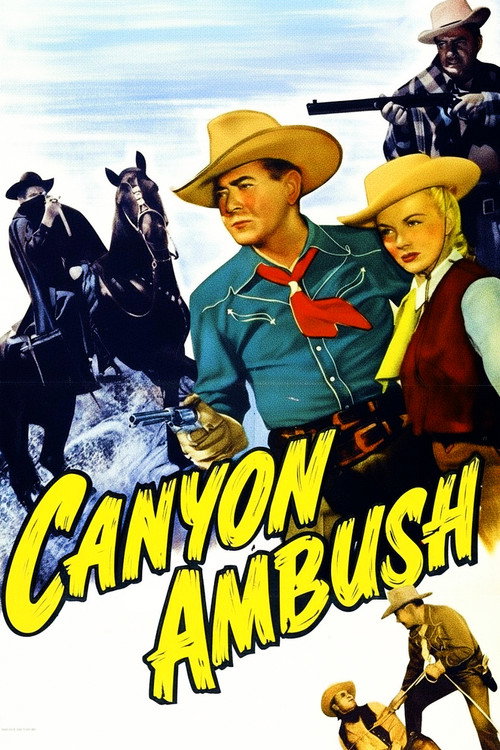
Canyon Ambush
1952
No user ratings available yet
Diversity score: 2.1 out of 10
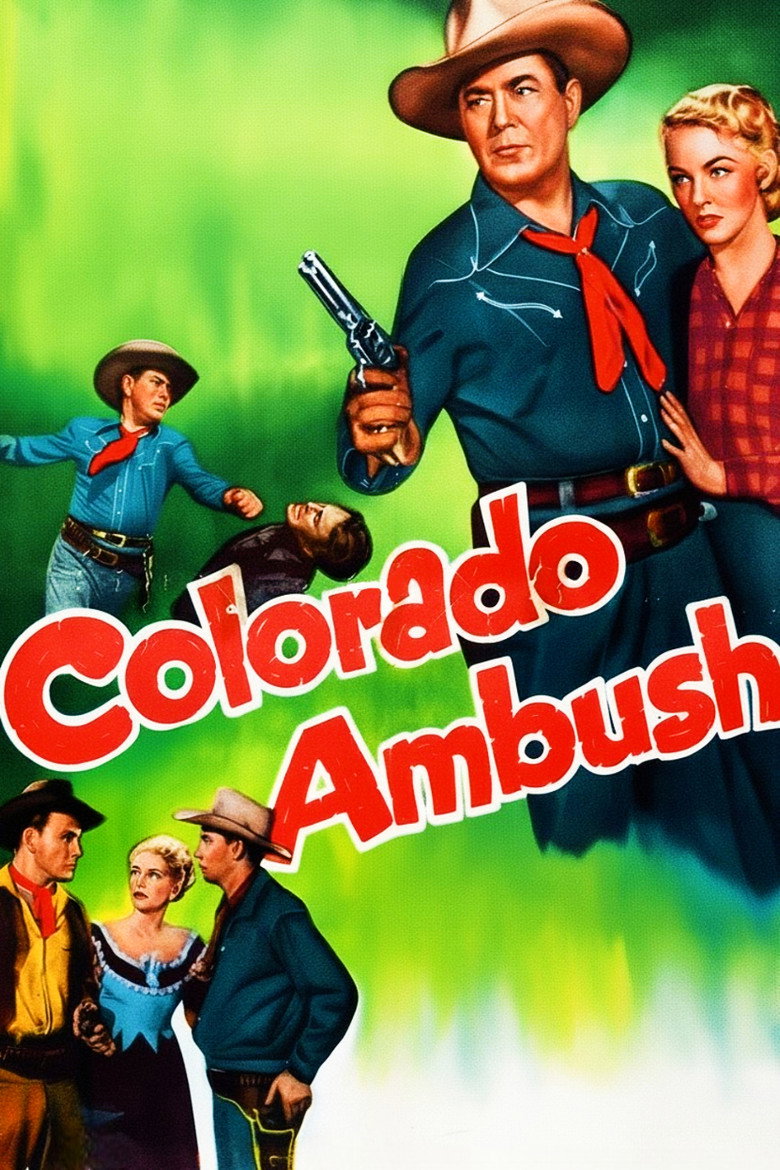
1951
ApprovedDirector
Lewis D. Collins
Runtime
52 minutes
Average Rating
No ratings yetSynopsis
As was customary in his late Monogram westerns, Johnny Mack Brown plays an undercover agent in Colorado Ambush. Brown is sent to Colorado to stem the activities of a particularly vicious outlaw gang
Overall Score
Minimal
Category Breakdown
LGBTQ+ Representation
The film lacks LGBTQ+ characters or non-heteronormative narratives. It adheres to the rigid social codes of 1951, which typically excluded such depictions.
Gender Representation
The narrative follows standard Western tropes centered on a masculine hero. The plot reinforces traditional masculine leadership and physical dominance through the protagonist.
Racial & Ethnic Diversity
The story focuses on a singular hero combating a gang, suggesting a homogeneous power structure. It reflects the era's tendency toward Anglo-Saxon-centered casting.
Religious & Cultural Diversity
The film operates within traditional Western morality, reinforcing institutional authority. It upholds clear-cut moral binaries between law and lawlessness.
Disability Representation
There is no mention of characters with visible or invisible disabilities. No evidence suggests disability serves as a narrative element here.
Strengths
Areas for Improvement
AI Analysis
Colorado Ambush is a conventional B-Western that functions as a product of its time. It relies on established genre formulas rather than attempting to subvert social norms or provide intersectional storytelling. The film reinforces traditional hierarchies of gender, race, and authority. The focus remains on a singular masculine protagonist, which maintains the status quo of the 1950s Western landscape. Ultimately, the work lacks the narrative complexity required to disrupt historical tropes. It serves as a standard genre piece centered on law enforcement and traditional heroism.
1952
1952
1950
1951
1950
1948

1935
1946
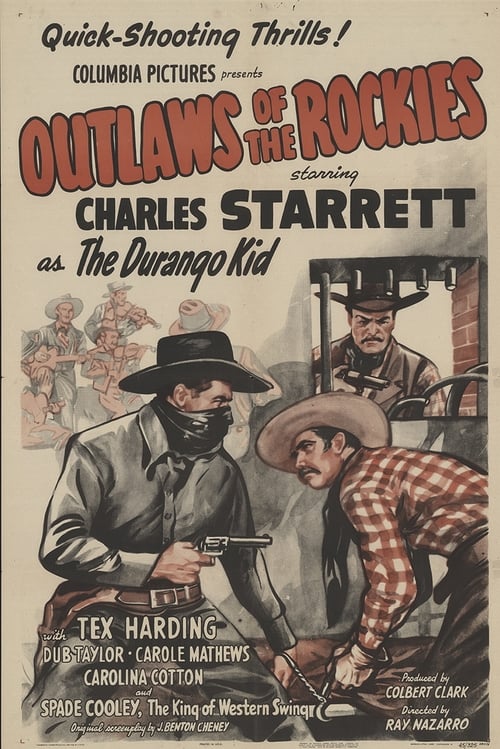
1945
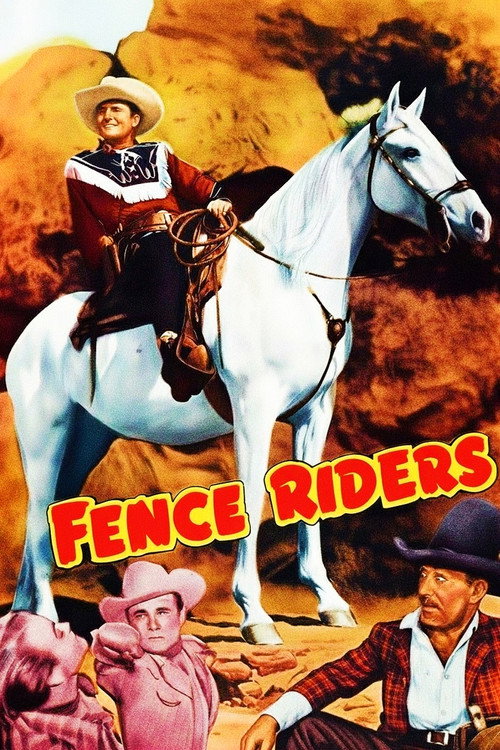
1950
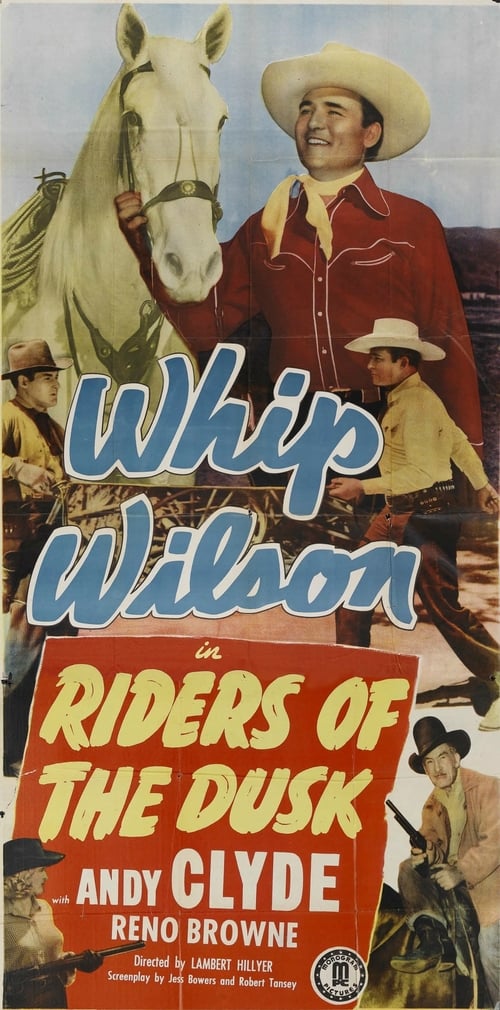
1949
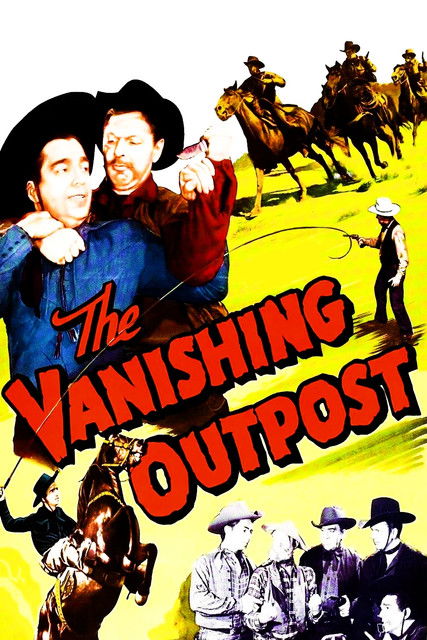
1951
No reviews yet. Be the first to share your thoughts on this movie!
Use the rating form above to leave a star rating and optional review.