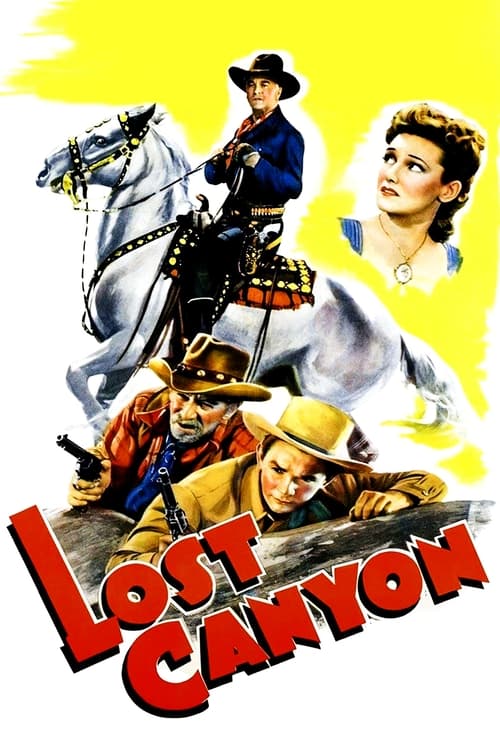
Lost Canyon
1942
No user ratings available yet
Diversity score: 2.7 out of 10

1940
ApprovedDirector
Lesley Selander
Runtime
86 minutes
Average Rating
No ratings yetSynopsis
Richard Dix stars as Dave Morrell, the new marshal of Goliath, Oklahoma. Immediately upon arrival, Morrell finds himself at odds with banker Coy Barrett (Victor Jory), who is actually the leader of all local criminal activities.
Overall Score
Limited
Category Breakdown
LGBTQ+ Representation
The film operates within the strict heteronormative constraints of the 1940s studio era. There is no evidence of queer characters or narratives that challenge traditional gender roles.
Gender Representation
The story centers on a male marshal and a male antagonist, reinforcing traditional masculine leadership. Female characters appear to be relegated to secondary or domestic roles.
Racial & Ethnic Diversity
The film focuses on Anglo-American frontier dynamics typical of the era. While the title references the Cherokee Strip, Native Americans likely serve as a backdrop rather than high-agency characters.
Religious & Cultural Diversity
The narrative follows a conventional moral framework centered on restoring order. It reinforces established authority and traditional justice rather than exploring moral relativism.
Disability Representation
There is no documented evidence regarding the inclusion or depiction of characters with physical or neurodivergent disabilities.
Strengths
Areas for Improvement
AI Analysis
Cherokee Strip is a quintessential B-Western that adheres strictly to the cinematic conventions of 1940. The plot is driven by a binary conflict between a righteous lawman and a corrupt banker, a structure that prioritizes masculine authority and traditional genre tropes. The film lacks intersectional complexity, functioning instead as a vehicle for standard Western archetypes. It reinforces the social hierarchies of its time, offering a singular moral perspective that favors the protection of local institutions and established law. Ultimately, the production reflects the conservative social structures of the early 1940s. It provides little to no representation for marginalized groups, focusing instead on a homogeneous settler narrative.
1942
1947
1937
1944
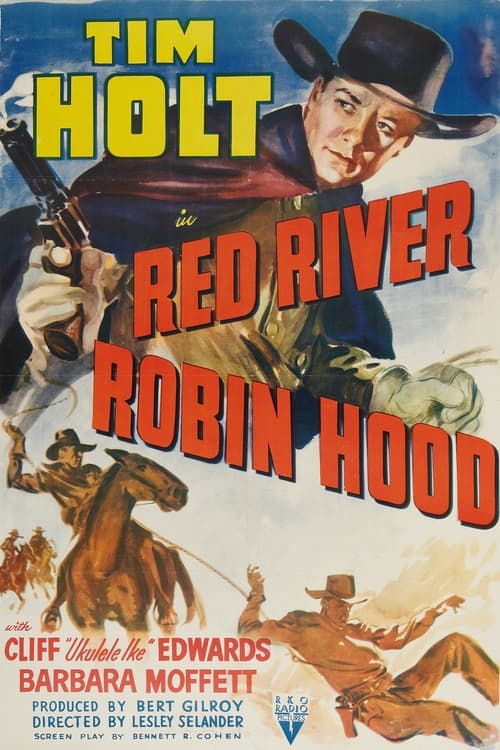
1942

1940
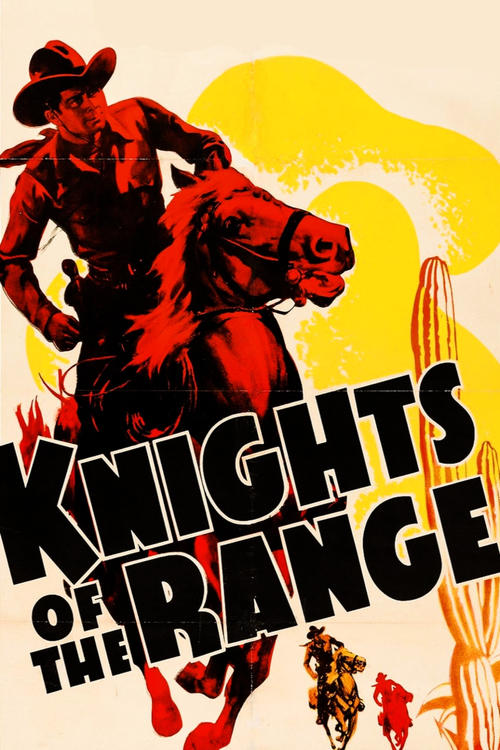
1940

1952
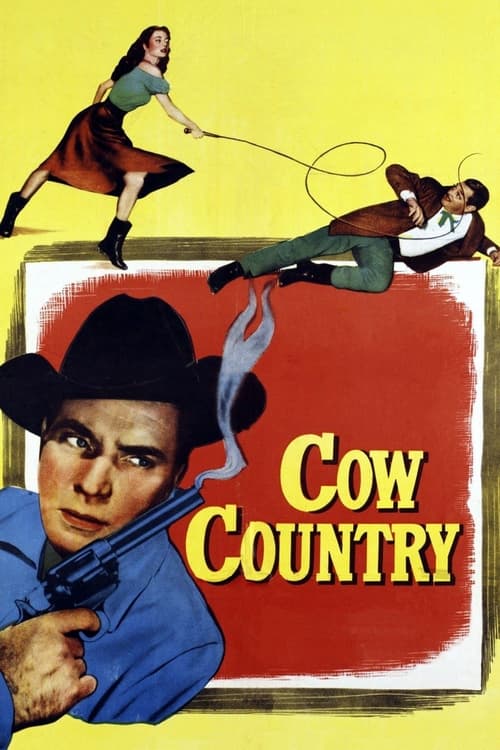
1953
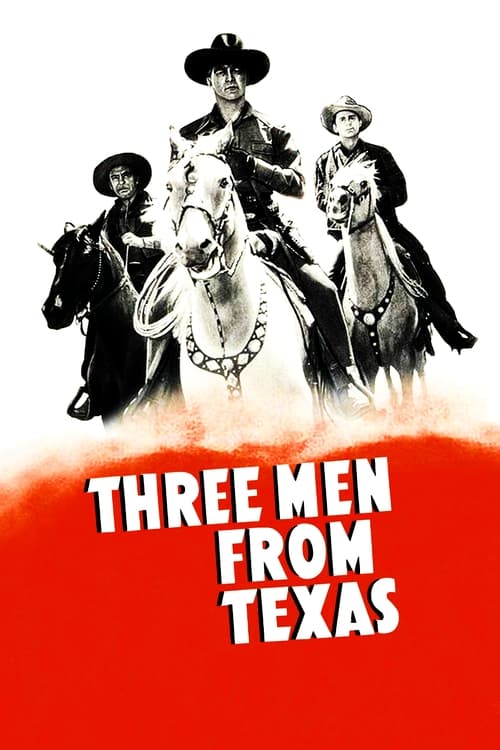
1940
1939
1943
No reviews yet. Be the first to share your thoughts on this movie!
Use the rating form above to leave a star rating and optional review.