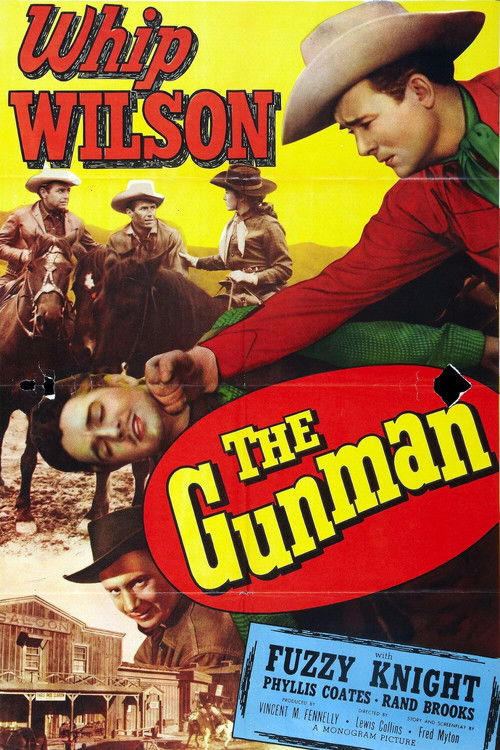
The Gunman
1952
No user ratings available yet
Diversity score: 2.2 out of 10

1950
PassedDirector
Lewis D. Collins
Runtime
55 minutes
Average Rating
No ratings yetSynopsis
Johnny Mack Brown follows his tried-and-true western formula in Law of the Panhandle. This time, U.S. Marshal Brown backs up Sheriff Tom Stocker (Riley Hill) in an ongoing battle against a marauding outlaw gang. The thieves, led by snarling Henry Faulkner (Myron Healey), hope to scare all the local ranchers off the land that will soon be purchased by the railroad that's coming through the territory.
Overall Score
Limited
Category Breakdown
LGBTQ+ Representation
The film follows a conventional Western structure centered on law enforcement and land disputes. It lacks any evidence of non-cisnormative identities or narratives that critique heteronormativity.
Gender Representation
The narrative is built around masculine-coded conflicts between a U.S. Marshal and an outlaw gang. Central plot drivers are exclusively male, reinforcing traditional gender hierarchies.
Racial & Ethnic Diversity
The premise focuses on railroad expansion and rancher protection, themes typical of Anglo-American settler narratives. The work reflects the homogeneous demographic norms of mid-century Westerns.
Religious & Cultural Diversity
The story promotes traditional Western values like protecting private property and establishing legal order. It frames conflict through a lens of institutional stability and territorial defense.
Disability Representation
There is no mention of characters with visible or invisible disabilities. No assessment can be made regarding the portrayal of neurodivergence or physical impairments.
Strengths
Areas for Improvement
AI Analysis
Law of the Panhandle is a standard genre piece that adheres strictly to the social hierarchies and archetypes of 1950s B-Westerns. The plot focuses on the tension between law enforcement and an outlaw gang during the expansion of the railroad. The film prioritizes formulaic storytelling and traditional masculine authority. By centering the conflict on territorial defense and physical confrontation, it reinforces the era's conventional social structures without introducing intersectional complexity. Ultimately, the film serves as a snapshot of mid-century cinematic norms, emphasizing established tropes of law, order, and settler-driven expansion.
1952
1952
1951
1951
1951
1951
1941
1934
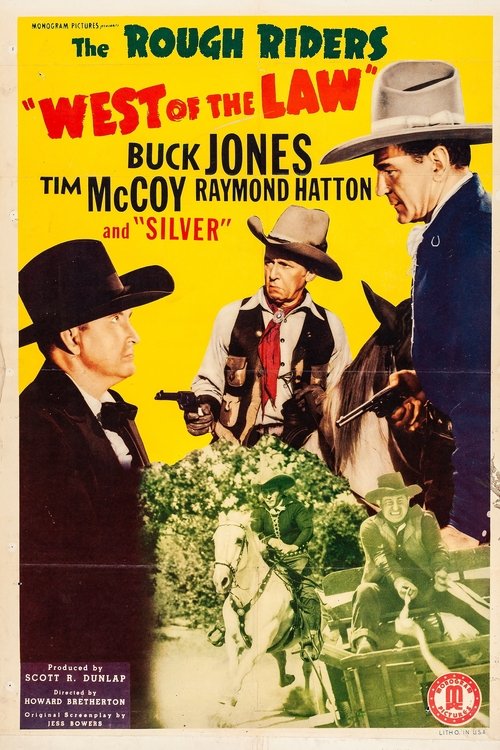
1942
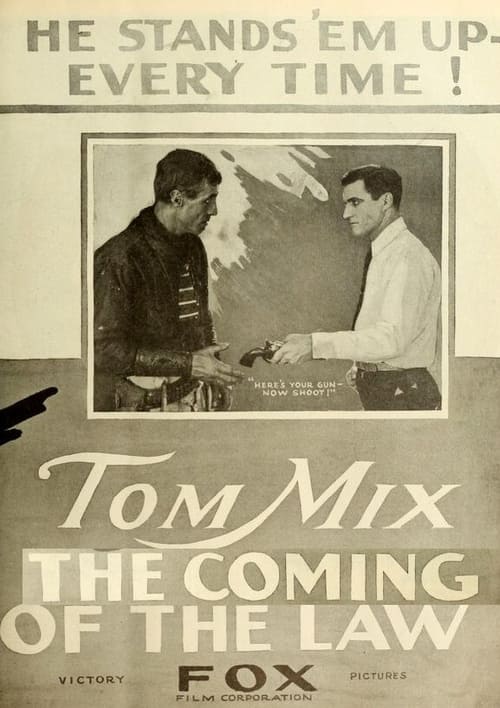
1919
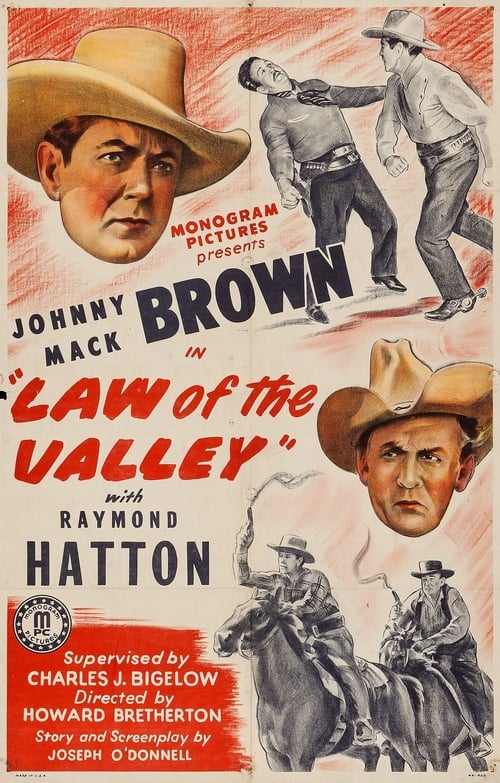
1944
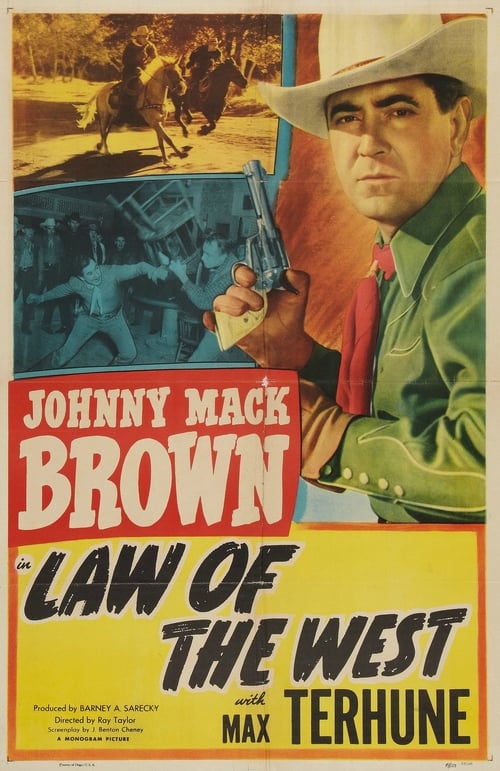
1949
No reviews yet. Be the first to share your thoughts on this movie!
Use the rating form above to leave a star rating and optional review.