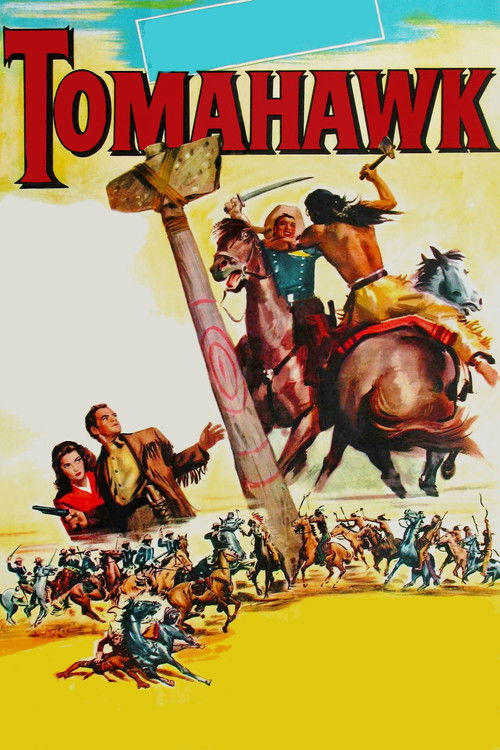
Tomahawk
1951
No user ratings available yet
Representation score: 1.0 out of 10
Representation Score
Minimal
1953
NRDirector
Lloyd Bacon
Runtime
80 minutes
Average Rating
No ratings yetNew Showbiz Analysis
The film follows traditional Western storytelling conventions from the 1950s. It relies on a patriarchal structure where male characters drive the moral and physical conflicts of the story. Indigenous populations are used as plot devices rather than being presented as self-determined societies. This reinforces historical stereotypes of underrepresented groups as reactive elements. Gender roles are traditional, with the female lead positioned as an object of affection within a romantic triangle. The narrative prioritizes established social hierarchies and standard genre expectations.
Category Breakdown
The film does not include any characters with LGBTQ+ identities or non-straight relationships. The plot revolves around a typical love triangle involving two men competing for a woman.
Joan Britton participates in the professional horse trade but mainly serves as a romantic interest. Male characters handle the moral and physical challenges of the story.
Indigenous groups such as the Sioux and Cherokee are portrayed as plot catalysts rather than complex characters. They are shown as reactive forces driven by external manipulation.
The story upholds mid-century Western values and Union interests. It emphasizes traditional ideas of duty and honor without questioning established social or political structures.
There are no visible or hidden disabilities depicted among the main characters or the central narrative.
Present on Screen
Limited or Absent
Official Synopsis
During the Civil War, in Wyoming, horse dealers Joan Britton and Stephen Cook are competing to supply the Union Army with horses. A Cherokee is in the area to stir up the Sioux against the Union just as Cook decides to steal a herd of Sioux horses. Ex-army doctor Jonathan Westgate opposes Cook’s unscrupulous methods as well as being Cook’s rival for the affections of Joan. It seems Westgate is the only one able to prevent a new Indian war.
1951
1963
1956
1964

1953
1959
1953
1966
No reviews yet. Be the first to share your thoughts on this movie!
Use the rating form above to leave a star rating and optional review.