Gate of Hell
1953
No user ratings available yet
Representation score: 1.8 out of 10
Representation Score
Limited
1966
Not RatedDirector
Yukio Mishima
Runtime
28 minutes
Average Rating
No ratings yetNew Showbiz Analysis
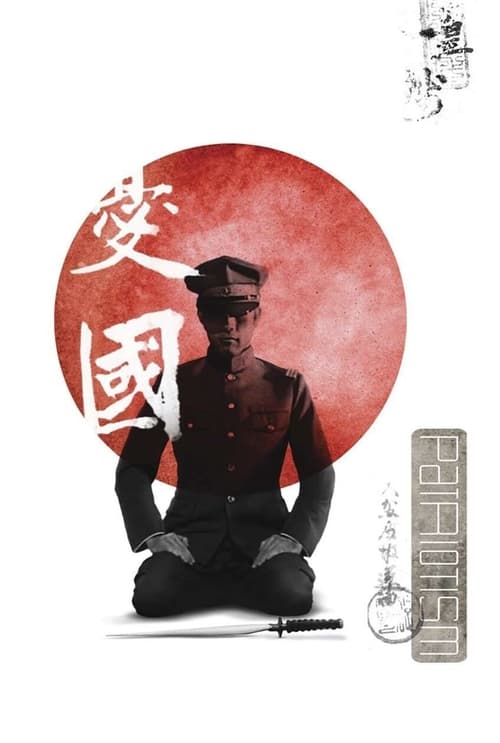
Patriotism is a traditionalist work that prioritizes historical ritual and moral frameworks over contemporary social diversity. The film uses the Noh stage to highlight a singular, disciplined code of honor and loyalty. The narrative reinforces conventional social hierarchies, avoiding progressive or perspectives that reflect multiple aspects of identity in favor of a traditionalist aesthetic. Ultimately, the film offers a localized exploration of Japanese cultural identity, emphasizing historical continuity and rigid social structures.
Category Breakdown
The film focuses on a husband and wife bound by formal rituals, emphasizing a marriage centered around heterosexual relationships without delving into LGBTQ+ themes or non-binary identities.
Reiko bears significant emotional weight, but her role remains closely tied to the domestic sphere, framed through her connection to the male protagonist’s honor and sacrifice.
The cast is ethnically uniform, reflecting a localized exploration of Japanese identity rather than a diverse, multicultural cast.
The story emphasizes traditional values such as honor and ritual suicide, presenting military and national institutions as sacred rather than oppressive. It upholds these institutions as integral to societal structure.
The narrative does not focus on physical or neurological disabilities.
Present on Screen
Limited or Absent
Official Synopsis
Two characters on a Noh stage dramatize the rite of love and death of Lieutenant Shinji Takeyama and his wife Reiko.
1953

1951

1964

1955

1956

1958

2006

1947
No reviews yet. Be the first to share your thoughts on this movie!
Use the rating form above to leave a star rating and optional review.