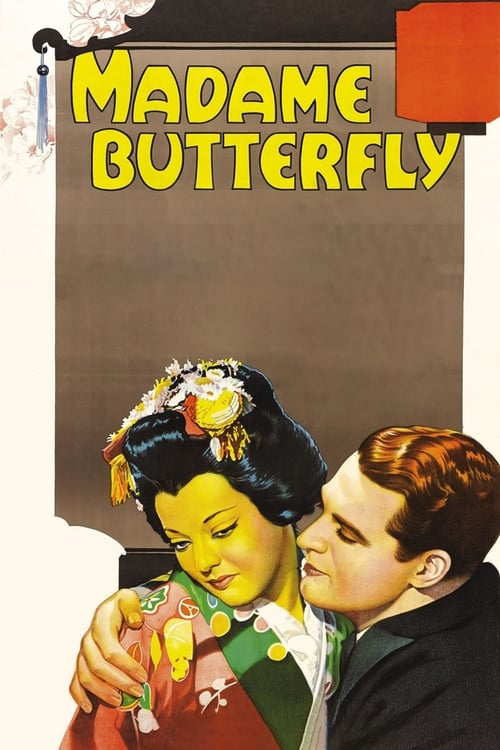
Madame Butterfly
1932
No user ratings available yet
Diversity score: 1.7 out of 10
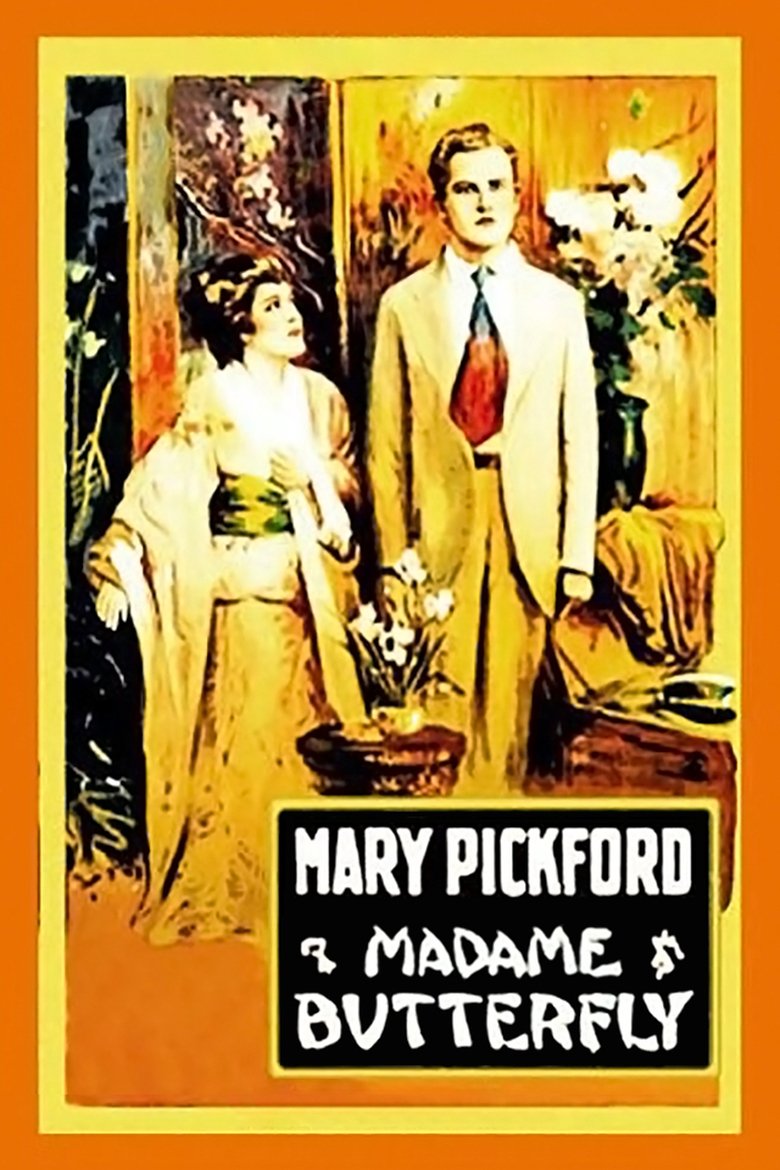
1915
Director
Sidney Olcott
Runtime
61 minutes
Average Rating
No ratings yetSynopsis
The story of a Japanese woman and the tragedy that ensues when she loves an American naval officer.
Overall Score
Limited
Category Breakdown
LGBTQ+ Representation
The film contains no identifiable LGBTQ+ characters or non-cisnormative identities. The narrative focuses exclusively on a heterosexual romantic tragedy.
Gender Representation
The story follows traditional hierarchies where the male protagonist drives the plot. The female lead is framed through emotional vulnerability and tragic passivity, reinforcing conventional tropes of the betrayed woman.
Racial & Ethnic Diversity
The production utilizes Japanese actors for Japanese roles, a departure from the era's common whitewashing. However, the narrative remains rooted in an Orientalist framework and Western-centric perspectives.
Religious & Cultural Diversity
Cultural friction serves as a catalyst for melodrama rather than a critique of hegemony. The film depicts a clash of values through a lens of romanticized exoticism.
Disability Representation
There are no prominent depictions of physical or neurodivergent disabilities that drive the narrative.
Strengths
Areas for Improvement
AI Analysis
Madame Butterfly (1915) is a historical artifact that balances progressive casting with regressive narrative structures. While the use of authentic Japanese actors was a notable departure from early 20th-century industry norms, the film remains tethered to colonialist perspectives. The tragedy is driven by a profound power disparity between the American officer and the Japanese protagonist. This imbalance is reflected in the character dynamics, where male agency dominates the plot while the female lead remains a passive subject of circumstance. Ultimately, the film functions as a study of individual melodrama rather than a challenge to systemic colonial or gendered hierarchies. It reinforces the social tropes of its era through its storytelling architecture.
1932
1938

1929

1925
1912
1920
1956
1921
1937
1917
1921
1930
No reviews yet. Be the first to share your thoughts on this movie!
Use the rating form above to leave a star rating and optional review.