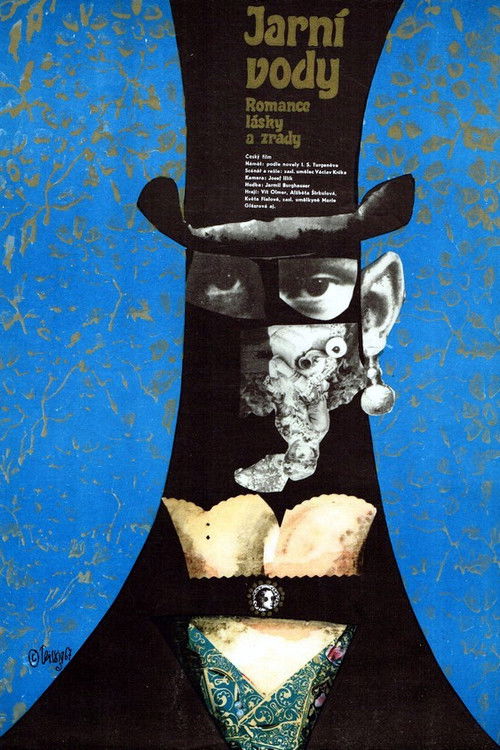
Jarní vody
1968
No user ratings available yet
Representation score: 1.4 out of 10
Representation Score
Limited
1967
Director
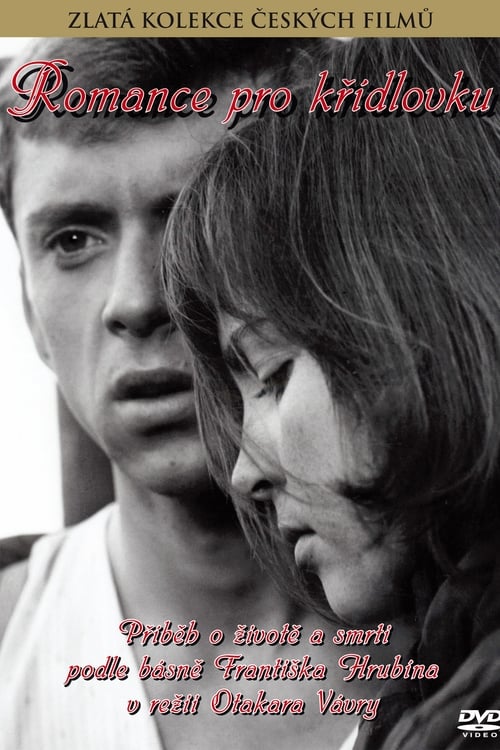
Otakar Vávra
Runtime
86 minutes
Average Rating
No ratings yetNew Showbiz Analysis
Romance for Bugle is a lyrical Czechoslovak drama that prioritizes poetic and emotional truth over contemporary identity-focused narratives. It serves as a reflection of Central European life in the 1960s, focusing on universal themes of loss and first love. The film aligns with the demographic and social norms of the Eastern Bloc in the 1960s. While it offers depth through its literary foundation, it does not actively challenge social hierarchies or provide diverse representation across racial or LGBTQ+ spectrums. Ultimately, the work explores the human condition through a classical European perspective, emphasizing existential themes rather than multi-layered or inclusive casting.
Category Breakdown
The film centers on traditional romantic themes of first love and disappointment. It does not include any queer-coded subtext or non-straight identities.
The film emphasizes the emotional journey of a woman experiencing romantic longing. This may give the female character significant psychological depth.
Reflecting the demographics of 1960s Czechoslovakia, the film portrays a culturally homogeneous society. It does not feature diverse or multi-layered casting.
The story focuses on secular, existential themes of loss and disappointment. It reflects the cultural and political context of the Eastern Bloc during that time.
There is no information available regarding the portrayal of physical or cognitive disabilities in this film.
Present on Screen
Limited or Absent
Official Synopsis
A lyrical story about first love, death and disappointment, based on a poem of the same title.
1968
1951
1961
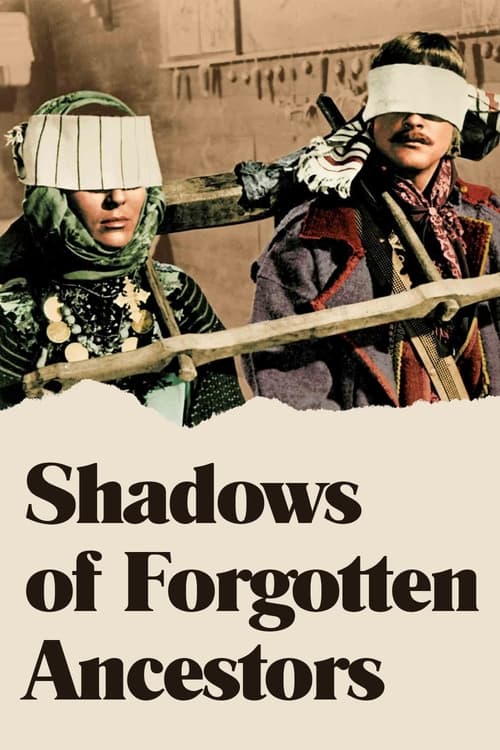
1965
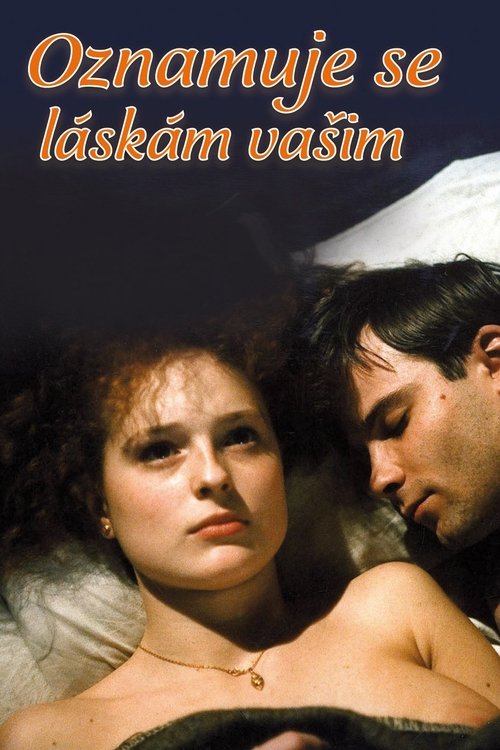
1989
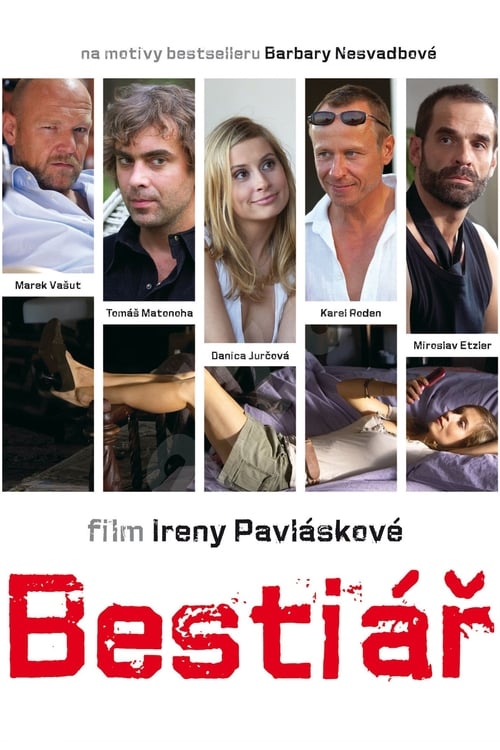
2007
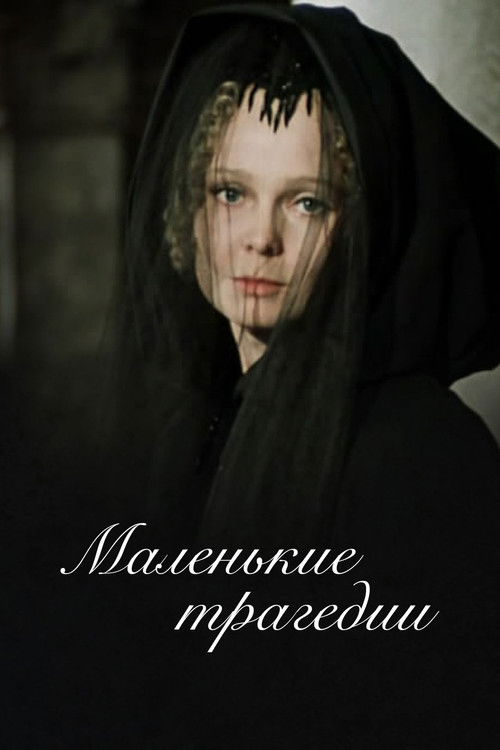
1980
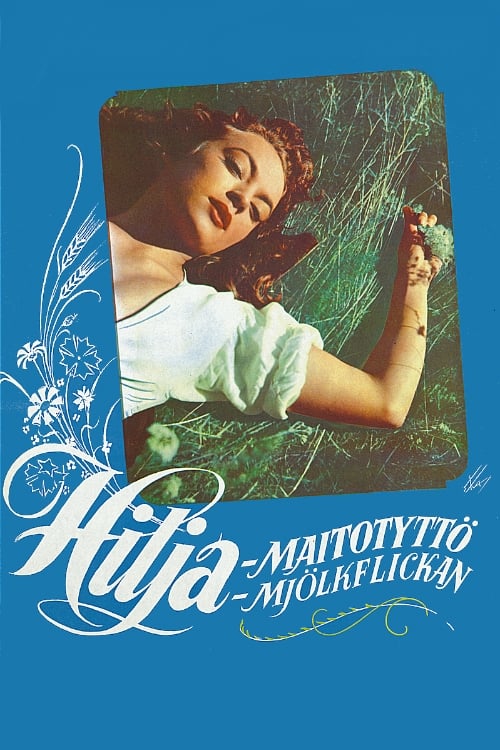
1953
No reviews yet. Be the first to share your thoughts on this movie!
Use the rating form above to leave a star rating and optional review.